
Productivity tools promise a lot, but only daily use reveals whether they truly support focused, meaningful work. After several weeks of consistent testing, this review offers a serious, experience-based look at 4 Honest Focus Projects and how they perform under real-world pressure. Each project was evaluated during demanding workdays filled with deadlines, meetings, and long creative sessions.
TL;DR: Four focus-oriented products were tested daily to evaluate usability, effectiveness, and long-term practicality. Two stood out for structured deep work, one excelled in physical workspace enhancement, and one offered strong digital distraction control. Not all are equally suited for every user, but each has a distinct strength. This review highlights the most important pros, limitations, and who should actually consider using them.
All four tools were used consistently over a sustained period rather than briefly sampled. The goal was simple: determine whether they genuinely improve concentration or simply create the illusion of productivity. Below you will find a breakdown of each project, including honest strengths and limitations.
1. The Structured Deep Work Planner
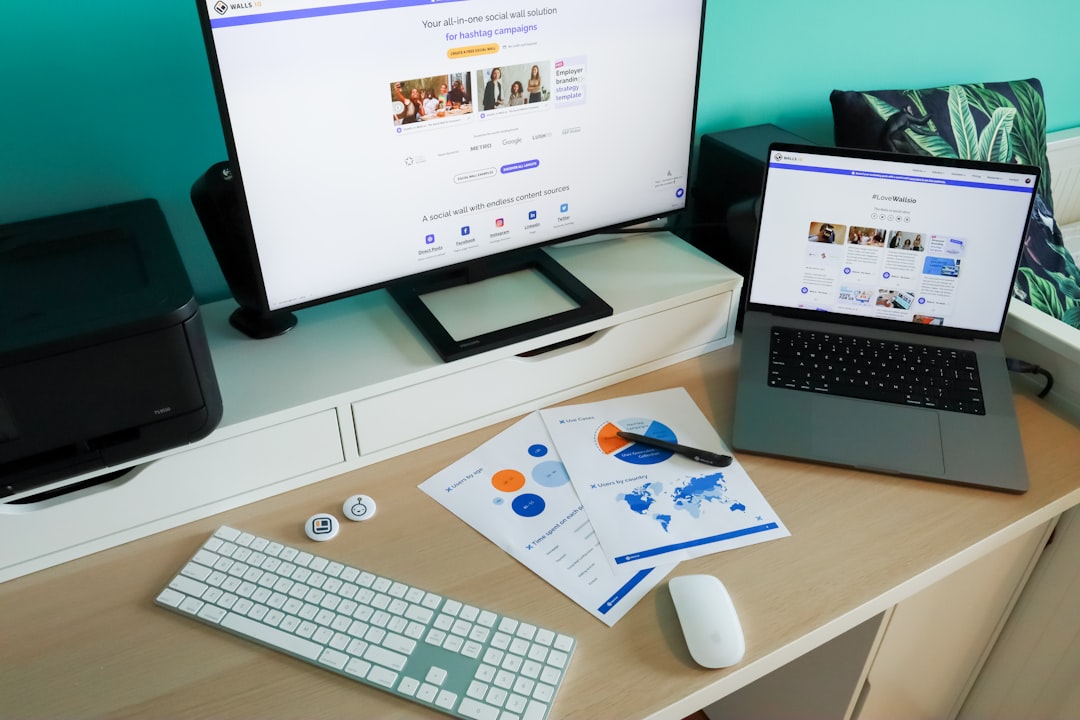
The first focus project was a structured paper-based planner designed specifically for deep work sessions. It combines time-blocking frameworks, reflection prompts, and daily outcome tracking.
What Worked Well
- Clarity of Priority: Writing down only three core tasks per day significantly reduced overwhelm.
- Built-In Reflection: The end-of-day reflection created accountability and pattern awareness.
- Physical Commitment: The tactile act of writing strengthened intention.
Where It Fell Short
- Not Flexible for Rapid Changes: On chaotic days, rigid time blocks felt restrictive.
- Requires Discipline: The planner works only if used consistently.
Daily Use Verdict
After daily use, this planner proved particularly powerful for professionals managing complex, independent tasks. It works best for writers, analysts, researchers, or entrepreneurs who control their own schedules. However, for people in highly reactive environments, flexibility may be more important than structure.
2. The Digital Distraction Blocker App
The second project tested was a digital application designed to block distracting apps and websites during scheduled focus sessions. Unlike basic timers, this system prevents workarounds unless manually overridden.
What Worked Well
- Aggressive Distraction Control: Social media and news access were effectively locked.
- Custom Session Modes: Multiple profiles allowed adaptation for shallow vs. deep work.
- Usage Reports: Clear analytics exposed hidden time leaks.
Where It Fell Short
- Can Be Overbearing: Emergency access requires manual override, which may feel restrictive.
- Does Not Address Internal Distractions: The app blocks websites, not wandering thoughts.
Daily Use Verdict
Consistency revealed a simple truth: willpower alone is unreliable. During stressful days, the blocker proved invaluable. However, it does not replace deeper work habits. Users must still define meaningful tasks before activating a block session.
This tool particularly benefits remote workers and students who operate in the same environment where entertainment is always accessible. It acts less like a productivity enhancer and more like a protective barrier.
3. The Physical Focus Environment Kit
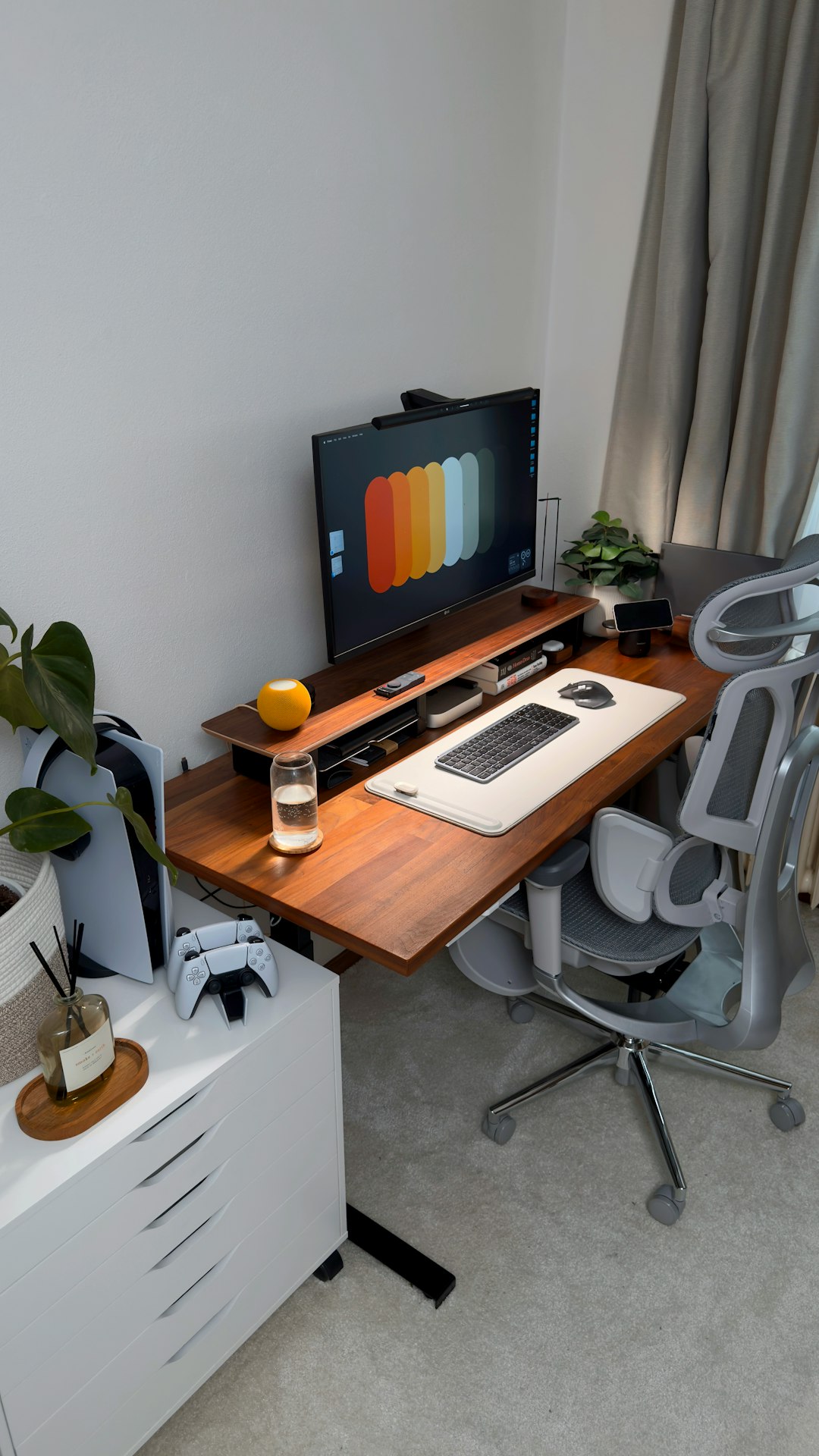
Unlike the first two digital or paper-based solutions, the third project addressed focus through environmental control. This kit included noise-reducing headphones, a minimalist desk setup guide, and a small ambient light device.
What Worked Well
- Immediate Sensory Improvement: Noise reduction dramatically increased deep concentration.
- Psychological Cueing: Turning on a dedicated focus light signaled “work mode.”
- Reduced Visual Clutter: A tidy desk lowered mental friction.
Where It Fell Short
- Higher Cost: Quality noise-canceling equipment requires investment.
- Limited Impact in Unavoidable Disruptions: It cannot eliminate meetings or urgent calls.
Daily Use Verdict
This project delivered the most immediate and noticeable improvement in sustained concentration. Environmental signals are underestimated productivity drivers. Over time, simply wearing the headphones triggered a faster transition into deep work. While this approach does not manage tasks, it significantly enhances cognitive immersion.
4. The Single-Task Commitment Framework
The final focus project was not a physical product but a behavioral protocol: commit to one task at a time for pre-defined intervals without exception. A simple timer and visible task card were used.
 focused person working, timer on desk, single task workflow, concentration concept[/ai-img>
What Worked Well
- Radical Simplicity: No tools required beyond intention and a timer.
- Mental Relief: Eliminating task switching reduced stress.
- Measurable Depth: Work sessions became clearly trackable.
Where It Fell Short
- Externally Demanding Jobs: Constant interruptions break the rhythm.
- Requires Self-Observation: Multitasking habits are deeply ingrained.
Daily Use Verdict
This framework proved surprisingly transformative. While simple, it exposed how often attention fractures during normal workflow. After several consistent days, the brain adapted to extended monotasking. Among all four projects, this required the least financial investment yet delivered substantial returns.
Comparison Chart
| Focus Project | Best For | Primary Strength | Main Limitation | Cost Level |
|---|---|---|---|---|
| Structured Deep Work Planner | Independent professionals | Clear priority setting | Less flexible schedule handling | Low to Moderate |
| Digital Distraction Blocker | Remote workers, students | Prevents online distractions | Does not solve internal focus issues | Low (subscription) |
| Physical Focus Environment Kit | Office or home workers | Enhances sensory control | Higher upfront investment | Moderate to High |
| Single Task Commitment Framework | All productivity levels | Builds deep cognitive focus | Vulnerable to interruptions | Minimal |
Key Observations After Daily Use
Testing these four focus projects daily revealed several consistent patterns:
- Environment matters more than motivation. When distractions were blocked and noise reduced, focus required less effort.
- Structure reduces anxiety. Clear priorities prevented energy drain caused by decision fatigue.
- Behavior beats tools. Even the best app fails without disciplined execution.
- Depth compounds. After repeated deep sessions, entering focus mode became easier and faster.
Importantly, no single project solved every productivity issue. Instead, effectiveness improved when combining elements. For example, pairing the distraction blocker with the single-task framework produced measurable gains in output quality.
Who Should Consider These Focus Projects?
These tools are not universally necessary. However, certain groups stand to benefit significantly:
- Knowledge workers handling cognitively demanding tasks.
- Students preparing for exams or research deadlines.
- Entrepreneurs managing complex priorities without external oversight.
- Remote professionals sharing space with everyday distractions.
Those in highly reactive roles may find strict frameworks challenging but can still benefit from environmental improvements and limited digital controls.
Final Evaluation
After consistent daily implementation, the results are clear: focus is not a personality trait but a system outcome. Each of these four honest focus projects contributes a different structural layer to that system.
The planner clarifies intention. The digital blocker protects attention. The environmental kit enhances immersion. The single-task framework strengthens mental discipline.
Among them, the simplest behavioral approach delivered the highest long-term return, but only when combined with basic environmental control. Tools alone cannot guarantee deep work, yet when intentionally integrated, they create powerful reinforcement.
Serious productivity improvement demands more than temporary motivation. It requires reducing friction, eliminating unnecessary choices, and building repeatable habits. These four focus projects, tested through daily use rather than ideal scenarios, offer tangible pathways toward sustained attention and meaningful output.