
As energy demands surge and renewable adoption accelerates, utilities face mounting pressure to modernize their networks. Smart grid management platforms are at the center of this digital transformation, enabling real-time visibility, automation, and optimization across increasingly complex energy systems. From balancing distributed energy resources to preventing outages, these platforms turn raw grid data into actionable insights.
TL;DR: Smart grid management platforms help utilities monitor, control, and optimize energy distribution in real time. Solutions like GE Grid Solutions and its peers use analytics, automation, and AI to reduce outages, integrate renewables, and improve operational efficiency. This article explores six leading platforms that are transforming grid performance, along with a side-by-side comparison to help you understand their strengths.
Traditional power grids were designed for one-way energy flow—from large centralized plants to consumers. Today’s environment is far more dynamic. Rooftop solar panels, battery storage systems, electric vehicles, and microgrids introduce multi-directional energy flows and new operational challenges. Smart grid management platforms provide the digital backbone required to handle this complexity.
What Makes a Smart Grid Platform “Smart”?
Before diving into specific platforms, it’s helpful to understand what differentiates advanced grid management systems from legacy tools. Typically, smart platforms include:
- Advanced Distribution Management Systems (ADMS) for real-time monitoring and outage management
- Energy Management Systems (EMS) for balancing supply and demand
- DER Management Systems (DERMS) to coordinate distributed energy resources
- AI-driven analytics for predictive maintenance and load forecasting
- Cybersecurity frameworks to protect critical infrastructure
With that foundation in mind, here are six smart grid management platforms helping utilities optimize energy distribution globally.
1. GE Grid Solutions (GE Vernova)
GE Grid Solutions has long been a leader in grid modernization. Its comprehensive portfolio includes ADMS, EMS, Wide Area Monitoring Systems (WAMS), and DERMS, all designed to enhance operational reliability and flexibility.
Key Features:
- Real-time situational awareness
- Integrated outage and restoration management
- Renewable energy integration tools
- Advanced grid analytics and forecasting
GE’s platform stands out for its ability to combine hardware, software, and grid-edge technologies into one cohesive ecosystem. Utilities benefit from strong scalability and modular deployment, making it suitable for both large transmission operators and regional distribution networks.

With grid resilience becoming a priority due to climate-driven disruptions, GE’s advanced automation capabilities reduce outage duration and enhance decision-making during emergencies.
2. Siemens Grid Software (Spectrum Power)
Siemens offers its Spectrum Power suite as a highly integrated grid management solution serving transmission and distribution operators worldwide.
Highlights:
- Comprehensive ADMS and EMS integration
- Real-time grid modeling and contingency analysis
- Support for hybrid AC/DC networks
- Scalable architecture for growing networks
One of Siemens’ strengths lies in its digital twin capabilities. By creating a real-time virtual model of the grid, utilities can simulate load conditions, test outage scenarios, and optimize switching sequences before deploying changes in the field.
This proactive approach allows operators to anticipate problems rather than react to them.
3. Schneider Electric EcoStruxure Grid
Schneider Electric’s EcoStruxure Grid platform focuses heavily on digitization and IoT-enabled infrastructure. Designed for next-generation energy systems, it integrates data from smart meters, sensors, substations, and distributed assets in one unified interface.
Core Capabilities:
- IoT-connected grid assets
- DER orchestration and microgrid management
- Advanced fault detection and isolation
- Cloud-based analytics
EcoStruxure emphasizes interoperability, making it easier for utilities to modernize incrementally rather than through costly full-system replacements. Its modular structure ensures utilities can expand functionality as regulatory and operational demands evolve.
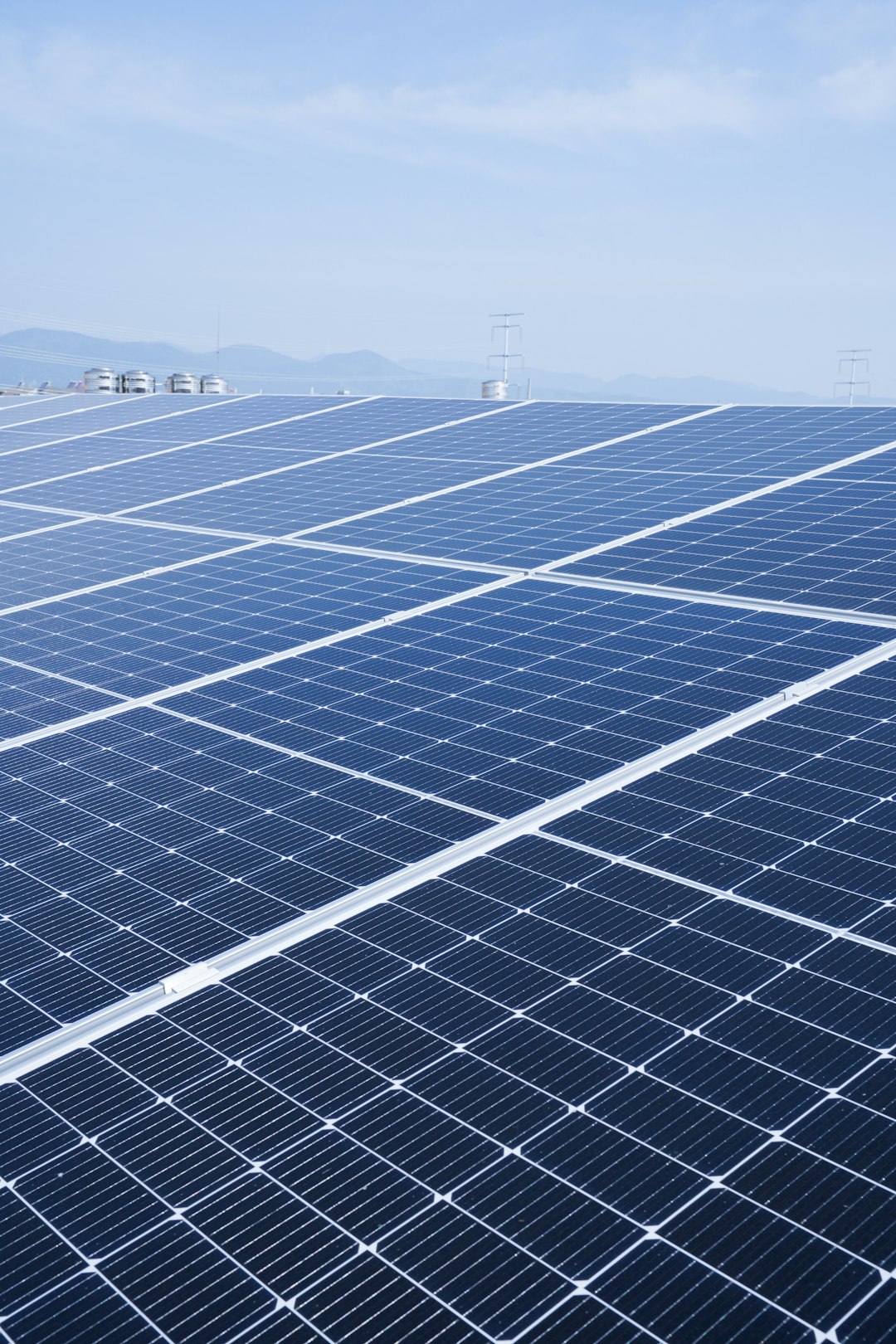
Importantly, Schneider’s tools support sustainability goals by improving renewable hosting capacity and enabling dynamic load management strategies.
4. ABB Ability Network Manager
ABB’s Ability Network Manager integrates real-time analytics, automation, and distributed energy coordination into a single operational platform.
Notable Strengths:
- Comprehensive outage management system
- Flexible DERMS functionality
- AI-powered load forecasting
- Cloud and on-premise deployment options
ABB’s platform excels in facilitating renewable and prosumer engagement. As consumers increasingly become energy producers, ABB’s coordination tools help stabilize the grid while allowing distributed generation to participate in demand response programs.
Its emphasis on cybersecurity—through encrypted communications and secure access management—also addresses one of the biggest vulnerabilities in smart grid ecosystems.
5. Oracle Utilities Network Management System (NMS)
Oracle Utilities brings its enterprise software expertise into the energy sector with a robust Network Management System tailored for real-time grid control.
Key Differentiators:
- Tight integration with asset management and billing systems
- Strong outage and storm response tools
- Advanced analytics and machine learning
- Geospatial visualization tools
Oracle stands out for its backend data management capabilities. Its NMS integrates seamlessly with customer systems, helping utilities connect operational data with billing, maintenance, and workforce management platforms.
This holistic approach improves both technical efficiency and customer satisfaction.
6. Hitachi Energy Lumada APM and Network Manager
Hitachi Energy combines asset performance management (APM) and network monitoring within its Lumada-based digital ecosystem.
Primary Advantages:
- Predictive maintenance capabilities
- Advanced analytics and AI modeling
- Microgrid and DER coordination
- Comprehensive lifecycle asset management
Hitachi’s analytics-driven predictive maintenance helps utilities prevent failures before they occur. By processing massive volumes of sensor data, the platform identifies asset deterioration trends, reducing downtime and repair costs.
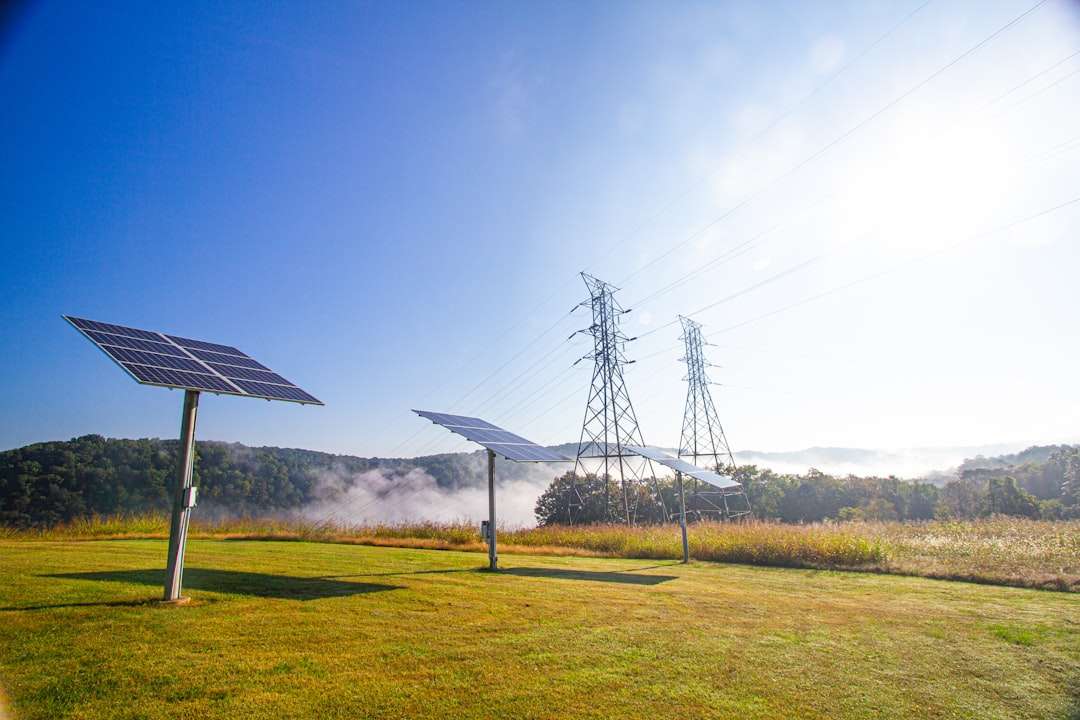
Its open architecture allows integration with legacy systems while adding intelligent layers for forecasting and optimization.
Comparison Chart: Smart Grid Platforms at a Glance
| Platform | Core Strength | DER Integration | Deployment | Ideal For |
|---|---|---|---|---|
| GE Grid Solutions | Comprehensive ADMS & EMS | Advanced | On-prem & Hybrid | Large utilities & transmission operators |
| Siemens Spectrum Power | Digital twin simulation | Strong | Scalable enterprise | Complex high-voltage grids |
| Schneider EcoStruxure | IoT-enabled grid visibility | Advanced | Cloud & Hybrid | Modernizing distribution networks |
| ABB Ability | Renewable coordination | Advanced | Cloud & On-prem | Utilities with high DER penetration |
| Oracle NMS | Enterprise data integration | Moderate | Enterprise cloud | Customer-centric utilities |
| Hitachi Lumada | Predictive maintenance | Strong | Hybrid & Cloud | Asset-heavy networks |
The Strategic Impact of Smart Grid Platforms
What truly sets these platforms apart is their ability to transform utilities from reactive operators into proactive energy orchestrators. The benefits include:
- Reduced outage frequency and duration
- Improved renewable hosting capacity
- Lower operational costs
- Enhanced grid resilience against extreme weather
- Better regulatory compliance and reporting
As electrification accelerates—particularly through electric vehicles and heat pumps—grid loads are expected to increase dramatically. Smart platforms equipped with AI-driven forecasting will become essential for maintaining stability and preventing congestion.
Moreover, evolving regulatory frameworks are pushing utilities toward carbon neutrality targets. Platforms that can seamlessly integrate solar, wind, battery storage, and demand response resources offer a significant strategic advantage.
Looking Ahead: The Future of Grid Optimization
The future grid will be decentralized, digitized, and decarbonized. Technologies such as edge computing, 5G connectivity, and advanced AI will continue to enhance smart grid capabilities.
Utilities investing in robust management platforms today are preparing for a more autonomous energy ecosystem, where self-healing grids automatically isolate faults and dynamically balance supply and demand.
In this rapidly evolving landscape, platforms like GE Grid Solutions and its peers are not just software providers—they are enablers of the energy transition. By combining real-time intelligence with predictive analytics and automation, these tools are reshaping how electricity is generated, distributed, and consumed.
Smart grid management is no longer optional. It is a foundational requirement for building resilient, sustainable, and efficient power systems capable of meeting tomorrow’s energy challenges.