
Ever wonder why you sometimes get amazing loot in a game… and sometimes get stuck with junk? Or why that rare monster just won’t show up today, even after hours of searching? That’s all thanks to something called RNG.
TL;DR: RNG stands for Random Number Generator. It’s what games use to make events feel unexpected, like loot drops or critical hits. Sometimes it’s fun, sometimes it’s frustrating, but it keeps things exciting. Think of it as the “luck” system in gaming.
What is RNG?
RNG means Random Number Generator. It’s a computer program that creates random numbers. Game developers use it to make things unpredictable.
It’s how games throw surprises at you. Like:
- Will your attack land?
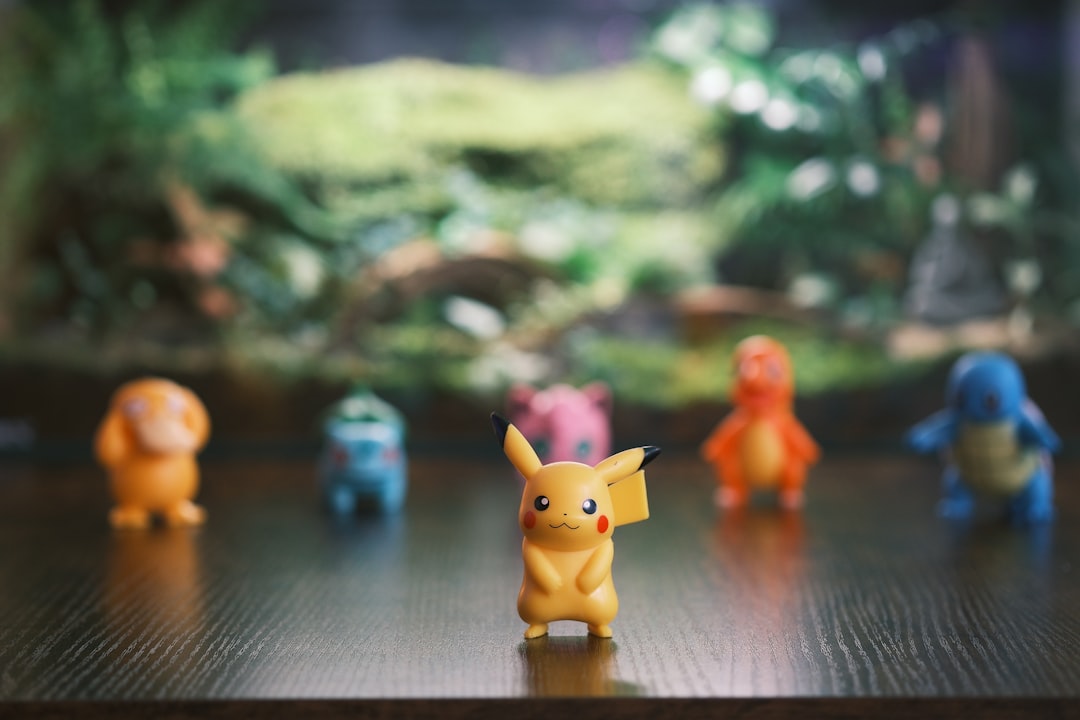
- Will you get that shiny Pokémon?
- What gear will drop from the boss?
If everything in a game was the same every time, it would get boring. RNG spices it up. Think of it like rolling dice in the background while you play.
Where Do We See RNG in Games?
RNG shows up in all types of games—RPGs, shooters, strategy games, and even card games. Here are some common places RNG is used:
- Loot drops: Defeated that big boss? RNG decides what treasure you get.
- Critical hits: Sometimes your attacks do extra damage. That’s RNG too.
- Enemy spawns: Ever notice different enemies showing up each time? RNG at work.
- Card draws: In games like Hearthstone or Magic, the order of your deck is randomized.
- Gacha games: Rolling to unlock a rare character? Yup, all RNG.
So basically, RNG is the game’s way of keeping things from being too predictable. Win or lose, it makes every game session feel fresh.
Is RNG Always Truly Random?
Short answer: Not really, but it feels like it.
Computers don’t do pure randomness very well. So most RNG in games is actually pseudo-random. That means it uses math formulas to simulate randomness. It’s close enough that most players never notice the difference.
Sometimes game developers even tweak how RNG works to be more fair. Like in some games, if you lose 10 coin flips in a row, the chance of winning the next one might get boosted a bit. This is called “RNG smoothing.”
Good RNG vs. Bad RNG
Good RNG makes games fun and exciting. It surprises you in cool ways. But bad RNG can make you rage-quit.
Let’s break it down:
Good RNG
- You fight a boss and suddenly get a super rare sword.
- A surprise critical hit lets you win a tight battle.
- Your team gets lucky and flips a match in the final seconds.
Bad RNG
- You fail a simple attack six times in a row. Ouch.
- You grind for hours and still don’t get the item you want.
- Your card draw is so bad, you can’t win no matter what.
RNG feels great when it goes your way… and horrible when it doesn’t. That’s why some gamers say “RNGesus” when they hope for good luck. Yep, it’s like praying to the god of randomness.
Famous RNG Moments in Gaming
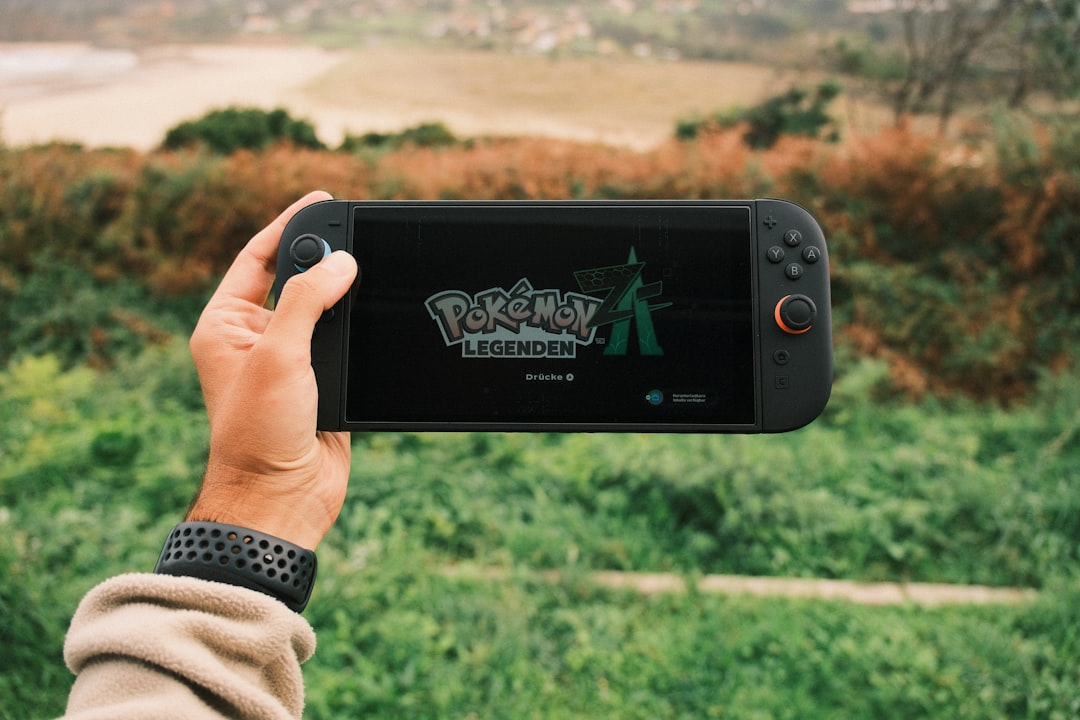
Pokémon shiny hunting: Getting a shiny Pokémon has a base chance of 1 in 4,096. That’s all RNG. People even stream their 10-hour shiny hunts!
World of Warcraft loot: You might run a dungeon 20 times and still not get the gear you need. That’s RNG calling the shots.
Battles in XCOM: You can have an 85% chance to hit… and still miss. Classic RNG heartbreak moment.
Can You Beat the RNG?
It depends! Most of the time, you can’t control RNG. But you can work with it.
Here are some tips to be smarter with RNG:
- Stack your odds: Use items or abilities that boost your chance of success.
- Play for probability: Understand risks. Don’t bet everything on a 10% chance.
- Try again: RNG hates you today? Come back tomorrow. It’s random, remember?
- Use math: Some gamers use spreadsheets or stats to track chances and maximize their farming.
And hey, sometimes you just gotta laugh it off. Everyone gets RNG’d eventually.
Why Developers Use RNG
Challenge + surprise = fun.
If every boss dropped the same sword, or every match went the same way, games would feel stale. RNG keeps you guessing.
It also helps:
- Keep games replayable
- Balance multiplayer without copying the same experience
- Offer surprise moments that players talk about online
Imagine a loot box system or daily random quests—yep, all made possible by RNG.
RNG Isn’t Always Bad
Some players hate RNG because they want control. That’s fair! Missing a 95% shot can feel so unfair. But remember, even losing because of RNG makes winning feel better when it finally happens.
Also, it levels the playing field. Sometimes a new player can beat a pro—thanks to random luck!
Final Thoughts
RNG is the secret sauce of gaming. It’s what gives you those surprise wins, rare items, and wild stories to tell your friends.
Sure, it can be frustrating. But it’s also what makes games feel alive. You never quite know what’s going to happen next—and that’s the fun of it.
The next time your game surprises you, just smile and say, “Thanks, RNG.” Or yell, “Curse you, RNGesus!”