
Public urban spaces have always reflected the evolving cultural and social dynamics of their communities. In recent years, contemporary art has emerged as a transformative force in cityscapes around the world. From street murals to immersive installations, artists are increasingly using public venues to engage, inspire, and provoke dialogue among passersby. But beyond aesthetics, what is contemporary public art really saying, and how does it shape the communities that live with it every day?
TL;DR
Contemporary art in public urban spaces is more than just decoration; it reflects social values, engages communities, and revitalizes neglected areas. Recent trends show a shift toward interactive, digital, and environmentally conscious art that directly involves local residents. These installations not only beautify a city but also foster community identity and dialogue. Their presence transforms both the physical space and the collective cultural experience of urban life.
Current Trends in Contemporary Urban Public Art
Traditionally, public art was mostly confined to statues, fountains, and sculptures that celebrated historical figures or commemorated important events. But today, public art has exploded into a diverse field of expression. Some of the key trends include:
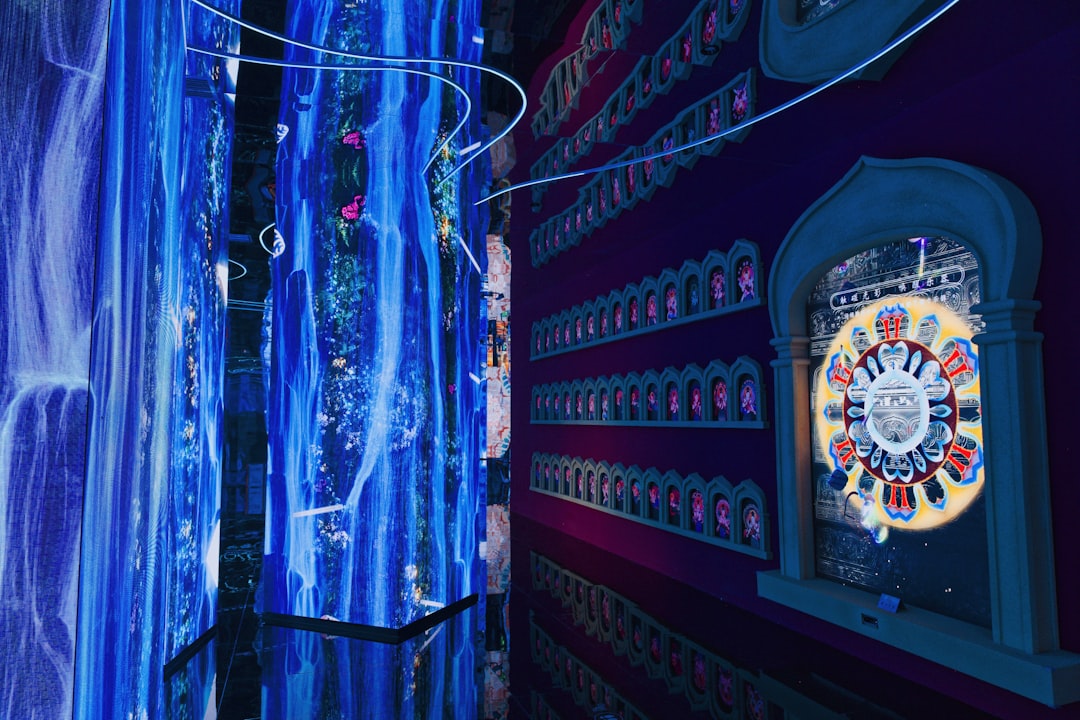
- Interactive Installations: Artworks that invite physical or digital interaction, often incorporating sensors, lights, or augmented reality (AR).
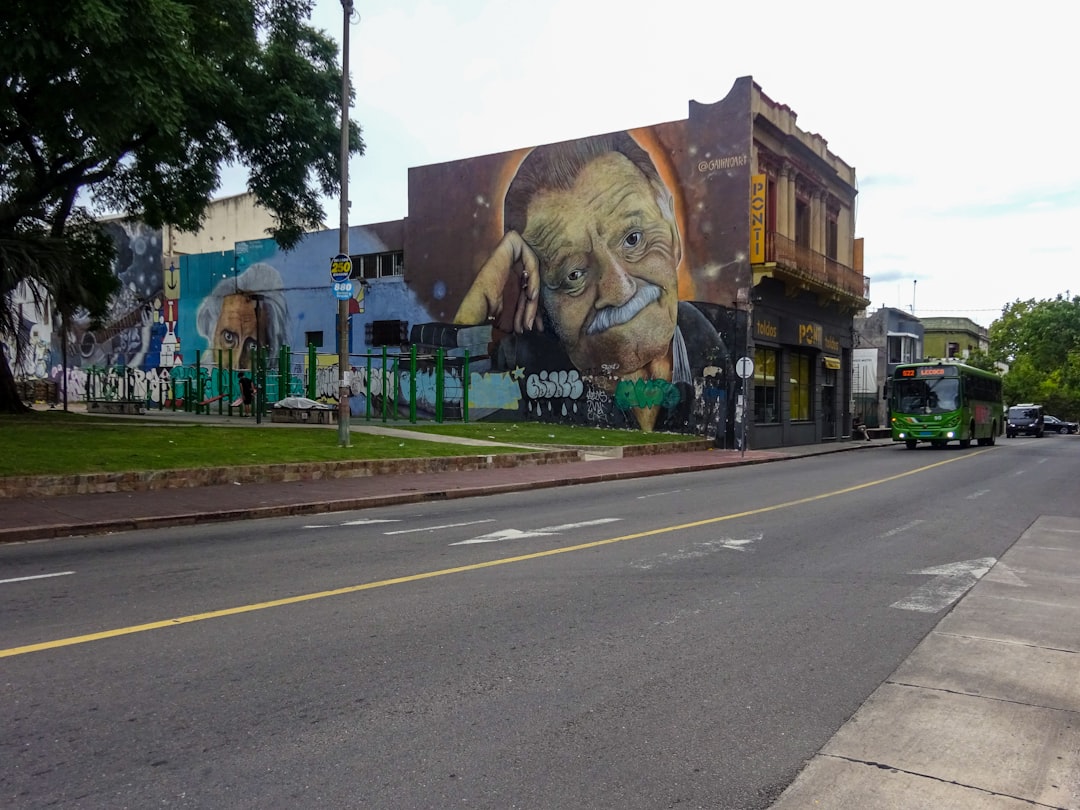
- Murals and Street Art: Large-scale murals have become popular tools for community engagement, especially in underserved neighborhoods.
- Ephemeral Art: Temporary installations or performances that exist for a limited time and challenge the traditional notion of permanence in public sculpture.
- Eco-Art: Art that focuses on environmental sustainability, often made with recycled materials or designed to raise awareness on climate issues.
- Socially Engaged Art: Projects that involve local residents in both the creation and interpretation phases, blurring the lines between artist and audience.
Perhaps the most transformative aspect is the way in which artists now engage with the community instead of simply placing art into a space. Collaboration has become as vital as creativity.
The Meaning and Message Behind Public Contemporary Art
Contemporary public art often seeks to communicate messages that resonate with the urban experience. These messages may be political, emotional, or wholly abstract. Here are some of the recurring themes:
- Social Justice: Many murals and installations highlight issues like racial inequality, indigenous rights, and gender identity.
- Historical Memory: Some contemporary works aim to reframe or reclaim history by telling stories neglected by traditional narratives found in older monuments.
- Urban Alienation: Street artists frequently address the loneliness and isolation felt in sprawling urban environments, seeking to build connection through shared space.
- Celebration of Identity: Public art can celebrate the unique cultural, ethnic, or LGBTQ+ identities of a neighborhood’s population.
Unlike art confined within galleries, public installations can be encountered without pretense or expectation. This opens powerful avenues for spontaneous reflection and dialogue, fostering a sense of shared humanity in often chaotic urban environments.
Technological Integration and the Rise of Smart Art
Technology has made a dramatic impact on how contemporary artists conceive of public art. Innovations like AR, projection mapping, and mobile integration allow works to change depending on who’s interacting with them—and how.
For example, artist Rafael Lozano-Hemmer’s interactive urban works often use motion-detection and sound algorithms to create real-time images or messages based on pedestrian activity. In Tokyo, artists have experimented with QR code murals that link viewers to audio tracks or dynamic animations when scanned with a smartphone.
These technologies have enabled public art to become more inclusive and participatory, even allowing viewers to become co-creators of the art itself. The result is a shift away from static pieces and toward dynamic, living works that evolve over time.
Community and Cultural Impact
Perhaps the most profound impact of contemporary public art lies in its social and cultural influence. When created with community participation, these projects become more than just landmarks—they become part of a neighborhood’s identity. Here’s how:
- Civic Engagement: Public art often encourages community dialogue and participation in civic issues, turning urban space into a democratic forum.
- Revitalization: Installing art in neglected or underutilized areas can bring new traffic, improve neighborhood safety, and drive local economic development.
- Education: Art in public spaces can become an engaging tool for informal learning about culture, history, and current events—especially for young people.
- Well-being: Exposure to art has been linked to mental health benefits. A vibrant mural or interactive sculpture can bring moments of beauty and inspiration to daily life.
Community-driven projects such as Philadelphia’s Mural Arts Program exemplify how large-scale public art can promote civic pride and social healing. Initiatives like these help communities process issues ranging from criminal justice to mental health, offering not only visibility but healing through creation.
Challenges and Criticisms
Despite the many benefits, contemporary art in public spaces is not without its controversies. Critics often raise concerns such as:
- Gentrification: Artistic revitalization can sometimes lead to rising rents and displacement, ironically hurting the communities they aim to support.
- Vandalism: Interactive or unsupervised public works may be subject to defacement, raising questions about maintenance and longevity.
- Artistic Censorship: Public funding often comes with strings attached, limiting what artists can say through their work and compromising creative freedom.
Balancing the freedom of expression with the interests of local residents and city planners remains a delicate process. When done thoughtlessly, even the most striking piece of art can feel alienating or misplaced in its urban context.
Looking Ahead: The Future of Art in Urban Spaces
As cities become denser and more digitally connected, the role of art in public life will continue to evolve. We’re already seeing intersections with urban planning, smart cities, and green infrastructure that may redefine not just the art itself but the spaces it occupies.
Future trends may include:
- AI-generated Artworks: Artists incorporating artificial intelligence into installations that respond to real-world stimuli or learn from viewers’ interactions.
- Virtual Public Art Galleries: AR layers accessible through smartphones that create invisible but navigable art experiences in familiar urban spaces.
- Hyperlocal Storytelling: Projects grounded in hyper-specific narratives of a neighborhood’s history or demographic makeup, co-created with residents.
As the definition of both ‘art’ and ‘public space’ continues to expand, the potential for public contemporary art to serve as a collaborative, inclusive, and dynamic force becomes ever more compelling.
Conclusion
Contemporary art in public urban spaces does more than brighten a city street—it helps redefine the relationship between citizens and their environment. From fostering dialogue and identity to promoting activism and education, its impact is tangible and enduring. As creatives, communities, and cities continue debating the future of public art, one thing remains clear: these visual conversations are vital to the health and vibrancy of urban life.