
Responding to Google reviews has become a critical component of modern reputation management. With customers openly sharing their experiences, businesses are judged not only by the reviews they receive but also by how they respond. Artificial intelligence now plays an increasingly important role in helping organizations craft thoughtful, consistent, and timely responses at scale. When used correctly, AI can support professionalism, reinforce brand voice, and strengthen customer trust.
TLDR: This guide explains how to use AI to respond to Google reviews in a structured and responsible way. It covers preparation, tone guidelines, prompt creation, review-specific response strategies, and quality checks. When properly supervised, AI can save time while still delivering authentic, customer-focused replies. The key is combining automation with clear human oversight.
Why Google Review Responses Matter
Google reviews strongly influence purchasing decisions and local search visibility. A well-written response demonstrates that a business listens, values feedback, and takes accountability seriously. Conversely, ignoring or mishandling reviews, especially negative ones, can erode trust.
AI-assisted responses help organizations keep pace with review volume while maintaining consistency. However, the credibility of responses depends on structure, tone, and factual accuracy. AI should be viewed as a support tool, not an unsupervised substitute for judgment.

Step 1: Define Clear Objectives for AI Use
Before generating any responses, clarify what you want AI to accomplish. Common objectives include improving response time, ensuring tonal consistency, or assisting staff with draft creation. Clear goals help avoid generic or inappropriate replies.
- Speed: Reducing delays in responding to new reviews.
- Consistency: Maintaining a stable brand voice across locations or teams.
- Support: Assisting human staff with structured first drafts.
AI should align with existing customer service policies and escalation procedures.
Step 2: Establish Tone and Brand Guidelines
AI responses are only as good as the instructions they receive. Establish tone standards before generating content. Decide whether your brand voice should be formal, warm, or neutral, and document clear boundaries.
- Use polite, respectful language in all cases.
- Avoid defensive or dismissive wording.
- Express appreciation for feedback, even when it is critical.
Providing these parameters to the AI ensures that responses feel deliberate rather than artificial.
Step 3: Categorize Reviews by Type
Effective AI-generated responses start with correct classification. Reviews generally fall into a few core categories, each requiring a different approach.
- Positive reviews: Reinforce satisfaction and encourage return visits.
- Neutral reviews: Acknowledge feedback and offer additional support.
- Negative reviews: Apologize, address concerns, and propose resolution.
- Spam or irrelevant reviews: Respond briefly or flag when appropriate.
Feeding the review type into the AI prompt significantly improves relevance and tone.
Step 4: Create Structured AI Prompts
The quality of AI output depends largely on prompt structure. A strong prompt provides context, constraints, and expectations. Avoid vague instructions such as “respond professionally.” Instead, specify length, tone, and purpose.
Example prompt structure:
- State the review text.
- Specify the review category.
- Define tone and length.
- Request empathy and personalization.
This approach produces responses that sound deliberate and aligned with business standards.
Step 5: Draft Responses for Positive Reviews
Positive reviews are opportunities to reinforce loyalty. AI-generated responses should express gratitude and subtly reflect brand values without sounding repetitive.
- Thank the reviewer by name when available.
- Reference a detail from the review.
- Invite future engagement.
Even with AI assistance, ensure responses vary to avoid a templated appearance that customers may notice.
Step 6: Handle Neutral and Mixed Feedback Carefully
Neutral reviews often contain understated praise paired with suggestions. AI can help acknowledge both aspects clearly.
A strong response should:
- Thank the reviewer for balanced feedback.
- Recognize areas of improvement.
- Offer continued support or contact options.
This balanced approach demonstrates attentiveness and openness to growth.
Step 7: Respond Responsibly to Negative Reviews
Negative reviews carry the highest reputational risk. AI can help draft calm, empathetic responses, but these should always be reviewed by a human before publishing.

- Begin with a sincere apology.
- Acknowledge the specific issue raised.
- Avoid assigning blame.
- Invite offline resolution when appropriate.
Never allow AI to speculate, admit legal fault, or reference internal policies without approval.
Step 8: Review and Edit Before Publishing
Human oversight remains essential. AI drafts should be reviewed for accuracy, tone, and compliance with company guidelines.
- Verify factual statements.
- Remove generic or repetitive language.
- Confirm names, dates, and services mentioned.
This step ensures professionalism and prevents unintended errors from being made public.
Step 9: Monitor Performance and Adjust Prompts
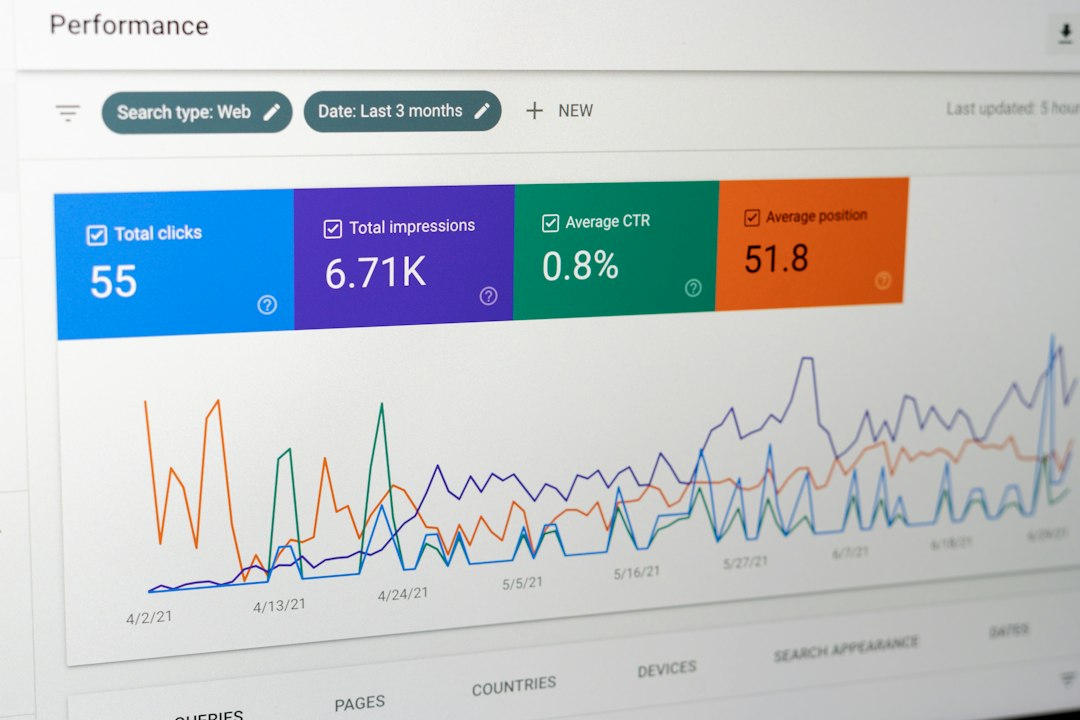
Regularly assess how review responses are received. Metrics such as follow-up customer engagement, review edits, or sentiment trends can signal effectiveness.
Use these insights to refine prompts, tone instructions, and response length. AI systems perform best when continuously adjusted based on real outcomes.
Step 10: Maintain Ethical and Transparent Practices
AI use should remain transparent and ethical. Do not fabricate experiences or misrepresent policies. Responses should always reflect genuine business practices and options available to customers.
When customers feel heard and respected, AI-assisted responses can strengthen trust rather than undermine it.
Conclusion
Crafting AI-powered Google review responses is a structured process that combines technology with responsibility. By setting clear objectives, guiding tone, categorizing feedback, and maintaining human oversight, businesses can respond efficiently while preserving authenticity. When applied carefully, AI becomes a reliable partner in building long-term credibility and customer confidence.