
Artificial intelligence has moved from experimental labs into the core of modern cybersecurity operations. As cyber threats grow in speed, scale, and sophistication, organizations in 2026 rely on AI not just for efficiency, but for survival. From automated threat detection to intelligent identity verification, AI-driven systems are redefining how defenders anticipate, detect, and respond to attacks. Rather than replacing human security professionals, AI enhances their capabilities, allowing teams to focus on strategy while machines handle high-speed analysis.
TL;DR: AI is now central to cybersecurity, enabling faster threat detection, automated response, fraud prevention, and predictive analytics. In 2026, organizations use AI for everything from stopping phishing attacks to securing cloud environments and IoT devices. These tools reduce manual workloads, improve accuracy, and help security teams stay ahead of evolving threats. The result is faster defense, smarter decisions, and stronger digital resilience.
Below are 12 practical AI applications shaping cybersecurity in 2026, each playing a vital role in protecting organizations against increasingly sophisticated attacks.
1. AI-Powered Threat Detection and Analysis
Modern security systems use machine learning algorithms to analyze enormous volumes of network traffic, endpoint activity, and user behavior. These models establish baselines of normal activity and instantly flag anomalies that may indicate malicious intent.
Unlike traditional signature-based detection, AI adapts over time. It identifies previously unseen malware variants and zero-day exploits by recognizing suspicious patterns rather than relying solely on known attack signatures.
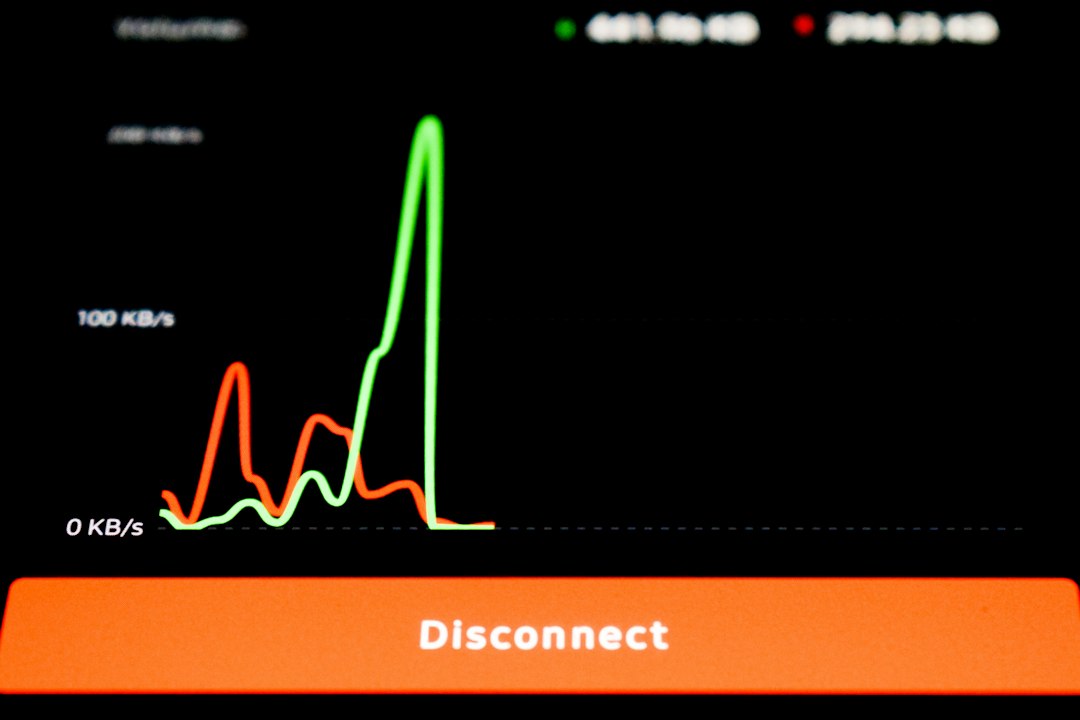
- Real-time network traffic analysis
- Behavior-based malware detection
- Identification of zero-day vulnerabilities
2. AI-Driven Security Information and Event Management (SIEM)
Legacy SIEM tools often overwhelm analysts with alerts. In 2026, AI-enhanced SIEM platforms prioritize and correlate events automatically. By analyzing hundreds of signals simultaneously, AI reduces false positives and highlights the most critical threats.
This intelligent filtering allows security teams to focus on genuine risks instead of wasting valuable resources investigating benign anomalies.
3. Automated Incident Response
Speed is critical in cybersecurity. AI-driven incident response tools now execute predefined playbooks the moment a threat is confirmed. These automated workflows can:
- Isolate compromised endpoints
- Revoke suspicious user credentials
- Block malicious IP addresses
- Initiate forensic data collection
Autonomous response systems significantly reduce containment time, minimizing financial and reputational damage.
4. Phishing Detection and Prevention
Phishing remains one of the most common attack vectors. AI models trained on millions of email samples detect subtle signs of social engineering, including tone, writing style, domain spoofing, and embedded malicious links.
Natural language processing enables systems to analyze context rather than just keywords. In 2026, AI tools even detect AI-generated phishing attempts created using large language models.
5. Behavioral Biometrics and Identity Protection
Passwords alone are no longer sufficient. AI-driven behavioral biometrics analyze typing rhythm, mouse movement, touchscreen gestures, and device handling patterns to verify identity continuously.
This continuous authentication approach ensures that even if login credentials are stolen, unauthorized users can be detected quickly based on abnormal behavior patterns.

6. Fraud Detection in Financial Systems
Financial institutions rely heavily on AI to combat fraud. Real-time transaction monitoring systems detect unusual spending patterns, geographic anomalies, and inconsistent purchasing behaviors.
Machine learning models evaluate thousands of variables within milliseconds, helping prevent:
- Credit card fraud
- Account takeovers
- Money laundering activities
These systems continuously adapt to evolving fraud tactics, improving accuracy over time.
7. Vulnerability Management and Predictive Risk Scoring
Organizations often struggle to prioritize vulnerabilities. AI-powered vulnerability management platforms assess risk based on contextual data such as exploit availability, asset importance, and threat intelligence feeds.
Instead of patching blindly, security teams use predictive risk scoring to focus on vulnerabilities most likely to be exploited. This data-driven prioritization significantly enhances operational efficiency.
8. AI in Cloud Security Posture Management
Cloud environments are dynamic and complex. AI tools continuously scan cloud configurations to detect misconfigurations, excessive permissions, and unsecured storage buckets.
By analyzing infrastructure as code and real-time activity logs, AI ensures compliance with security policies and regulatory frameworks.
- Detection of misconfigured cloud services
- Monitoring of container environments
- Automated compliance reporting
9. Malware Classification and Reverse Engineering
AI dramatically speeds up malware analysis. Deep learning models inspect binary code, API calls, and behavioral characteristics to classify malware families within seconds.
Automated reverse engineering tools uncover hidden payloads and command-and-control patterns without requiring extensive manual intervention. This rapid analysis allows defenders to respond before malware spreads widely.
10. Threat Intelligence Aggregation
Cybersecurity teams rely on global threat intelligence sources. AI aggregates data from open sources, dark web forums, vulnerability databases, and internal telemetry.
Advanced analytics help identify emerging attack campaigns and predict potential targets. This proactive threat modeling enhances preparedness and strategic defense planning.
11. Securing Internet of Things (IoT) Devices
The expansion of IoT devices has dramatically increased attack surfaces. AI-based anomaly detection systems monitor device communication patterns to identify unauthorized behavior.
In smart factories, hospitals, and smart cities, AI tracks:
- Unexpected device-to-device communication
- Firmware manipulation attempts
- Abnormal data transmission volumes

This continuous monitoring prevents small vulnerabilities from becoming large-scale breaches.
12. Deepfake and Synthetic Identity Detection
As generative AI becomes more sophisticated, attackers increasingly use deepfakes and synthetic identities for fraud and social engineering. AI-powered detection tools analyze facial inconsistencies, voice modulation patterns, and metadata anomalies to identify manipulated content.
Organizations use these systems to protect video verification processes, executive communications, and digital onboarding systems from deceptive media.
The Human-AI Collaboration in 2026
Despite these advances, AI does not operate alone. Human expertise remains critical for ethical oversight, strategic decision-making, and interpreting complex threat scenarios. AI handles repetitive, data-intensive tasks, while cybersecurity professionals focus on policy development, red teaming, and high-level investigations.
This collaborative approach leads to stronger, faster, and more adaptive security systems capable of defending against modern cyber threats.
Conclusion
In 2026, AI is no longer optional in cybersecurity; it is foundational. From automated incident response and behavioral biometrics to predictive risk analysis and deepfake detection, AI empowers organizations to defend themselves in an increasingly hostile digital landscape. The shift toward intelligent automation reduces operational strain while increasing precision and responsiveness.
As threats continue to evolve, practical AI applications will remain essential to maintaining cyber resilience and safeguarding global digital infrastructure.
Frequently Asked Questions (FAQ)
1. Is AI replacing cybersecurity professionals?
No. AI enhances cybersecurity teams by automating repetitive tasks and analyzing large datasets. Human experts are still essential for strategy, oversight, and complex investigations.
2. How accurate is AI in detecting cyber threats?
AI systems can achieve high accuracy, especially when trained on diverse datasets. However, they are most effective when combined with human validation and continuous model improvement.
3. Can AI stop zero-day attacks?
AI improves zero-day detection by identifying unusual behavior patterns rather than relying solely on known signatures. While not perfect, it significantly increases early detection rates.
4. Is AI cybersecurity affordable for small businesses?
Many cloud-based AI security solutions are now offered as scalable services, making advanced protection accessible to small and medium-sized businesses.
5. What are the risks of using AI in cybersecurity?
Risks include model bias, adversarial attacks against AI systems, and overreliance on automation. Regular audits, transparency, and human oversight are essential to mitigate these issues.
6. How does AI help prevent phishing attacks?
AI uses natural language processing and pattern recognition to analyze emails, detect suspicious content, and block malicious messages before they reach users.
7. What role does AI play in cloud security?
AI continuously monitors cloud environments for misconfigurations, unauthorized access, and compliance violations, helping organizations maintain a secure cloud posture.