
Optimizing landing pages is one of the most effective ways to increase conversions, improve lead quality, and reduce customer acquisition costs. While Unbounce has long been a popular choice for marketers, it is not the only solution available. Businesses today require flexibility, affordability, advanced analytics, and seamless integrations—capabilities that are often better served by alternative platforms depending on specific goals and budgets.
TLDR: Unbounce is a strong landing page builder, but it is not the only high-performing option on the market. Tools such as Leadpages, Instapage, ClickFunnels, HubSpot, and Webflow offer competitive features tailored to different needs and budgets. Choosing the right alternative depends on your technical expertise, marketing strategy, and growth objectives. This guide compares leading Unbounce alternatives and helps you determine which one best fits your requirements.
Why Consider an Unbounce Alternative?
Unbounce offers a powerful drag-and-drop builder, A/B testing, and AI-driven optimization. However, businesses may seek alternatives for several reasons:
- Pricing structure: Unbounce can become expensive as traffic grows.
- Limited customization: Advanced design flexibility may require workarounds.
- Integration preferences: Some companies rely heavily on CRM-specific ecosystems.
- All-in-one needs: Teams may prefer broader marketing automation features in a single platform.
The following tools are widely regarded as credible alternatives across different business segments.
1. Leadpages
Leadpages is often seen as the closest competitor to Unbounce in terms of simplicity and usability. Its interface is intuitive, making it especially appealing for small businesses and entrepreneurs.

Key Features:
- Drag-and-drop landing page builder
- Built-in A/B testing
- Conversion-ready templates
- Pop-ups and alert bars
- Affordable pricing tiers
Best for: Small businesses and startups seeking cost-effective landing page creation without sacrificing performance.
While its customization capabilities are slightly less advanced than some competitors, Leadpages delivers excellent value and reliable conversion tools.
2. Instapage
Instapage positions itself as a premium landing page solution designed for performance marketers and enterprise teams. It emphasizes personalization, collaboration, and post-click optimization.
Key Features:
- Advanced heatmaps and analytics
- Dynamic text replacement
- Collaborative workflow tools
- Global blocks for scalable design updates
- Robust A/B and multivariate testing
Best for: Enterprise marketing teams and agencies managing large-scale paid campaigns.
Instapage typically comes at a higher price point but compensates with enterprise-grade performance and collaboration features that exceed basic landing page builders.
3. ClickFunnels
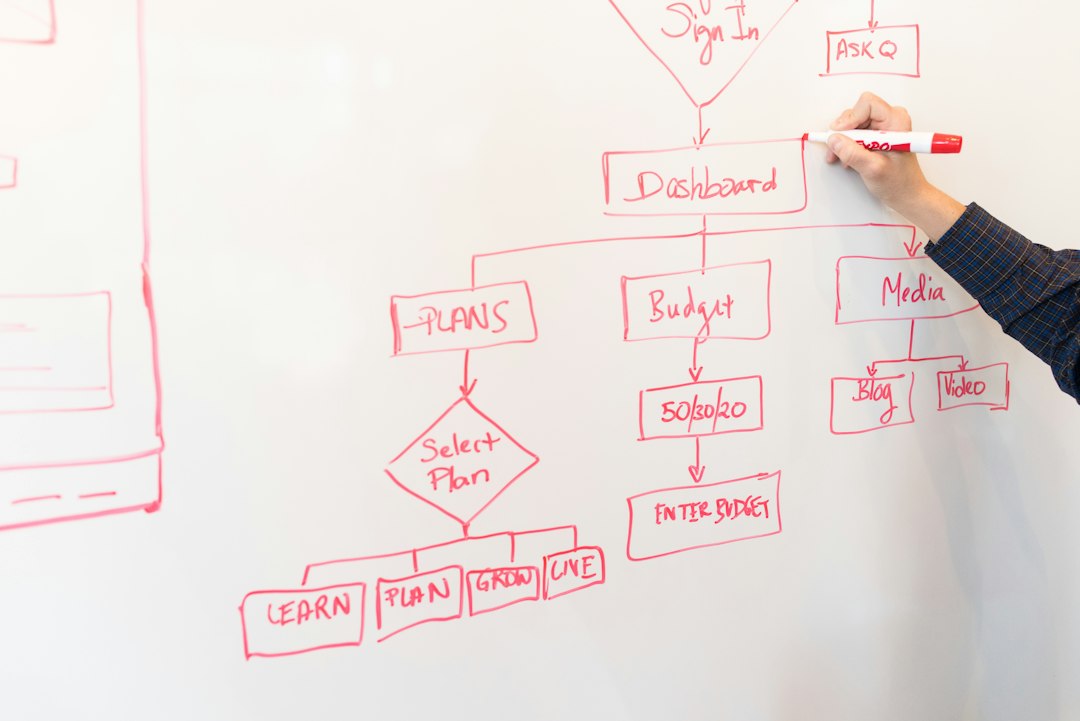
ClickFunnels extends beyond landing page optimization into full sales funnel management. Businesses seeking end-to-end customer journey control often gravitate toward this platform.
Key Features:
- Complete funnel building system
- Email marketing automation
- Checkout page and payment integrations
- Membership site capabilities
- Pre-built funnel templates
Best for: Businesses focused on multi-step sales funnels rather than standalone landing pages.
Although ClickFunnels may not offer the same fine-tuned design flexibility as other builders, it excels in integrating pages into cohesive revenue-generating systems.
4. HubSpot Landing Pages
HubSpot’s landing page builder is part of its broader CRM and marketing automation ecosystem. For companies deeply embedded in inbound marketing strategies, this integration is a significant advantage.
Key Features:
- CRM-native landing page creation
- Advanced personalization tokens
- Built-in analytics and attribution
- Email and marketing automation integration
- Smart content for segmented audiences
Best for: Organizations already using HubSpot CRM or running inbound marketing campaigns.
While it may not provide the pure design flexibility of standalone builders, HubSpot excels in data-driven personalization and lifecycle marketing integration.
5. Webflow
Webflow offers more than landing page optimization—it provides a visual web development environment. Designers and agencies appreciate its granular control over layout and interaction.

Key Features:
- Full visual design control
- Custom animations and interactions
- Responsive design tools
- CMS functionality
- Hosting and performance optimization
Best for: Designers and teams needing advanced customization without traditional coding.
Webflow is more complex than Unbounce but offers unmatched design precision. It suits brands with stronger technical or creative resources.
Comparison Chart
| Tool | Pricing Level | Ease of Use | A/B Testing | CRM Integration | Best For |
|---|---|---|---|---|---|
| Leadpages | Low to Moderate | Very Easy | Yes | Basic Integrations | Small Businesses |
| Instapage | High | Moderate | Advanced | Extensive | Enterprise Teams |
| ClickFunnels | Moderate to High | Moderate | Basic | Sales Focused | Sales Funnels |
| HubSpot | Variable | Moderate | Yes | Native CRM | Inbound Marketing |
| Webflow | Moderate | Advanced | Limited Native | Third Party | Design Focused Teams |
How to Choose the Right Alternative
Selecting the correct Unbounce alternative requires careful evaluation of your objectives. A structured assessment process may include:
- Define primary goals: Lead generation, sales funnels, webinar signups, or product launches.
- Assess technical expertise: Some tools require more design knowledge than others.
- Review integration needs: CRM, email marketing platforms, or ecommerce systems.
- Analyze scalability: Ensure pricing models support traffic growth.
- Measure reporting requirements: Consider attribution, heatmaps, or behavioral insights.
For example, a startup with limited capital may prioritize affordability and ease of use. In contrast, a marketing agency managing high-volume advertising campaigns may prioritize heatmaps, personalization, and advanced analytics.
Performance Considerations
Landing page optimization is not merely about design—it involves page speed, mobile responsiveness, and data-driven experimentation. Regardless of the platform chosen, organizations should ensure:
- Fast load times across global servers
- Mobile-first design capabilities
- Reliable uptime and hosting stability
- Clear, actionable reporting dashboards
Tools that integrate cleanly with advertising platforms such as Google Ads and Meta Ads often provide better feedback loops for ad performance improvements.
Future Trends in Landing Page Optimization
The landscape of landing page tools continues to evolve. Increasingly, platforms are integrating:
- AI-driven copy suggestions
- Automated personalization engines
- Predictive conversion analytics
- Real-time audience segmentation
Organizations adopting tools that incorporate these innovations gain a competitive edge through continuous optimization.
Final Thoughts
Unbounce remains a respected platform, but the diversity of alternatives ensures businesses are not constrained by a single solution. Leadpages offers affordability and simplicity. Instapage provides enterprise-level optimization. ClickFunnels centers on revenue-focused funnels. HubSpot excels in CRM-integrated marketing, and Webflow delivers high-end design control.
The best choice ultimately depends on strategic alignment rather than brand recognition. Careful evaluation of features, pricing scalability, integration needs, and internal expertise should guide the decision-making process. With the right tool, organizations can significantly enhance conversion rates, drive higher ROI from paid campaigns, and accelerate sustainable growth.