
Modern product teams rely heavily on behavioral data and controlled feature releases to build better digital experiences. Tools like PostHog have made it easier to combine event tracking, product analytics, experimentation, and feature flag management in a single platform. However, PostHog is not the only solution in this space. A range of powerful alternatives offer similar capabilities, each with its own strengths in usability, scalability, privacy, and integration.
TLDR: Several tools provide functionality comparable to PostHog for event tracking and feature flags, including Mixpanel, Amplitude, LaunchDarkly, Split.io, and ConfigCat. These platforms differ in pricing models, technical complexity, experimentation capabilities, and depth of analytics. Some focus more heavily on product analytics, while others specialize in enterprise-grade feature flag management. Choosing the right solution depends on team size, compliance needs, and desired level of experimentation sophistication.
Below is a closer look at five software products similar to PostHog, along with a comparison table to help teams evaluate their options.
1. Mixpanel
Mixpanel is a well-established product analytics platform designed for tracking user interactions and analyzing customer journeys. While historically known for analytics, it has expanded into experimentation and messaging.
Image not found in postmeta
Key Features:
- Advanced event-based tracking
- Funnel and cohort analysis
- Retention reporting
- A/B testing capabilities
- Data pipelines and integrations
Mixpanel excels in behavioral analytics and segmentation. Teams can define custom events and monitor how users move through product funnels. Although its feature flag capabilities are not as central as in platforms dedicated to progressive delivery, Mixpanel integrates well with feature flag services to close the experimentation loop.
Best for: Product teams focused heavily on in-depth analytics and data-driven growth optimization.
2. Amplitude
Amplitude is a powerful product analytics platform with growing experimentation and feature management capabilities. It is often considered one of the top competitors in behavioral tracking.
Key Features:
- Real-time event tracking
- Advanced segmentation and cohort analysis
- Predictive analytics
- Experimentation tools
- Extensive integrations and data warehouse support
Amplitude’s strength lies in its deep analytical insights. It enables teams to understand not just what users are doing, but why they are behaving in certain ways. Feature experimentation tools allow product managers to run controlled tests and measure impact without requiring complex implementation.
Compared to PostHog, Amplitude typically positions itself more toward mid-market and enterprise organizations seeking robust analytics infrastructure.
Best for: Data-driven organizations needing advanced analysis and enterprise-level scalability.
3. LaunchDarkly
While primarily known as a feature flag management platform, LaunchDarkly integrates experimentation and analytics capabilities that put it in the same conversation as PostHog.
Image not found in postmeta
Key Features:
- Enterprise-grade feature flagging
- Progressive rollouts
- Targeting by user segment
- Kill switches for production safety
- A/B and multivariate experiments
LaunchDarkly focuses heavily on safe software releases. Teams can gradually roll out features, test variations, and turn off problematic releases instantly. Its analytics integrate tightly with feature flags, though it does not offer the same standalone depth in product analytics as PostHog, Mixpanel, or Amplitude.
Best for: Engineering teams prioritizing reliability, governance, and enterprise feature flag operations.
4. Split.io
Split.io blends feature delivery with built-in experimentation. It helps teams move beyond release management and toward measurable product impact.
Key Features:
- Feature flag management
- Real-time experimentation
- Data-driven rollout decisions
- Metric tracking tied to features
- Enterprise governance controls
Split.io emphasizes feature impact measurement. Instead of separating deployment from analytics, it connects flag states directly to performance metrics. This makes it easier to determine whether a feature improves engagement, conversion, or retention.
Compared to PostHog, Split.io may feel more enterprise-oriented, especially in terms of compliance, team permissions, and workflow governance.
Best for: Organizations wanting strong experiment governance with measurable performance insights.
5. ConfigCat
ConfigCat is a lightweight yet powerful feature flag management solution designed for teams that want flexibility without enterprise-level complexity.
Image not found in postmeta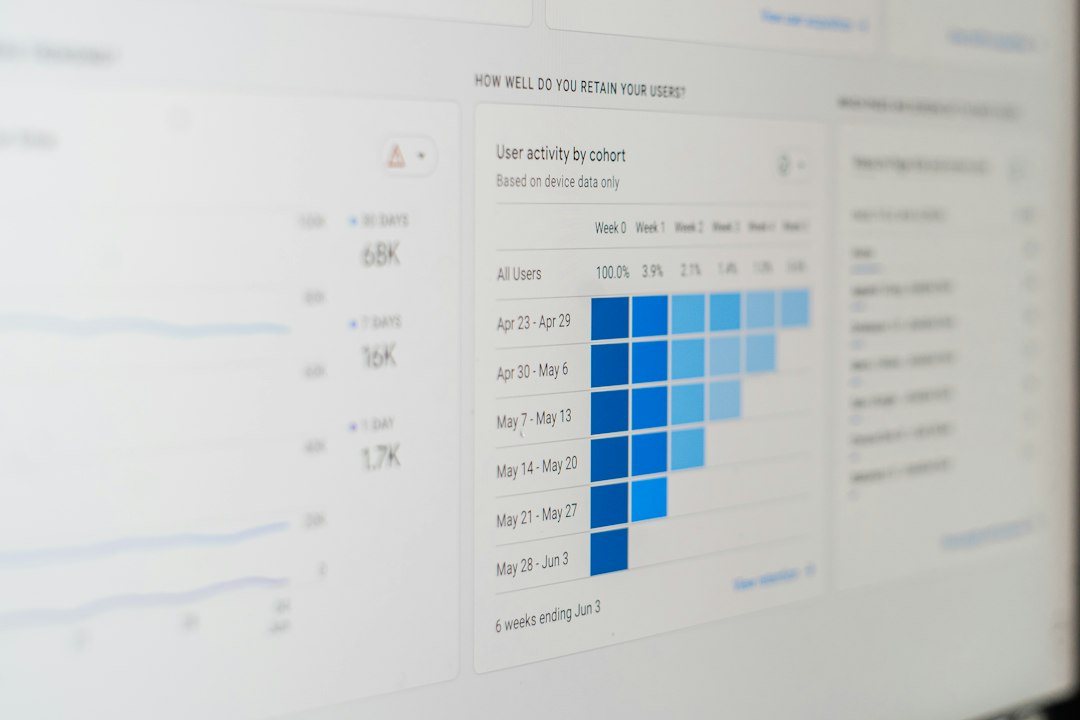
Key Features:
- Cross-platform SDK support
- Remote configuration management
- User targeting and segmentation
- Percentage-based rollouts
- Straightforward pricing
Unlike platforms that combine advanced analytics and experimentation in one package, ConfigCat concentrates primarily on feature flag delivery and remote configuration. Teams typically integrate it with external analytics tools for behavioral tracking.
Best for: Small to mid-sized teams seeking simple, cost-effective feature flagging without heavy analytics overhead.
Comparison Chart
| Tool | Primary Strength | Feature Flags | Analytics Depth | Best For |
|---|---|---|---|---|
| Mixpanel | Behavioral Analytics | Limited native / via integrations | Advanced | Growth-focused product teams |
| Amplitude | Enterprise Product Analytics | Moderate experimentation | Very Advanced | Mid-market & enterprise |
| LaunchDarkly | Feature Flag Management | Enterprise-grade | Moderate | Engineering-heavy organizations |
| Split.io | Experiment-driven Delivery | Strong | Strong experiment metrics | Performance measurement teams |
| ConfigCat | Lightweight Flag Control | Strong | Minimal | Startups & small teams |
How to Choose the Right Alternative
When selecting a PostHog alternative, decision-makers should evaluate several factors:
- Depth of Analytics: Does the team require sophisticated cohort analysis and predictive modeling?
- Feature Flag Complexity: Is basic rollout control enough, or are enterprise-level permissions required?
- Budget Constraints: Pricing structures vary significantly between analytics-heavy and flag-focused platforms.
- Compliance Requirements: Enterprise organizations may need SOC 2, GDPR, or HIPAA compliance.
- Technical Resources: Some platforms require more developer involvement than others.
For teams primarily focused on experimentation and user behavior analysis, tools like Mixpanel and Amplitude may be the strongest contenders. Engineering-driven teams that require safe release strategies might prefer LaunchDarkly or Split.io. Startups seeking simplicity and cost control may find ConfigCat sufficient.
Ultimately, the best choice balances data visibility, feature control, scalability, and organizational workflow.
Frequently Asked Questions (FAQ)
1. What is the main advantage of using PostHog alternatives?
The primary advantage is flexibility. Different tools specialize in either analytics depth or feature flag sophistication. Choosing an alternative allows teams to prioritize the capabilities most aligned with their technical stack and growth stage.
2. Are feature flags necessary for small startups?
Yes, even small startups benefit from feature flags. They enable gradual rollouts, quick bug fixes via kill switches, and safer experimentation without full deployments.
3. Which tool offers the strongest analytics capabilities?
Amplitude and Mixpanel are often regarded as leaders in advanced behavioral analytics. They provide deep segmentation, funnel analysis, and retention insights at scale.
4. Which platform is best for enterprise feature flag management?
LaunchDarkly and Split.io are widely recognized for enterprise-grade governance, compliance, and scalable feature deployment.
5. Can companies combine multiple tools?
Absolutely. Many organizations use one platform for feature flags and another for analytics, integrating both to create a comprehensive experimentation ecosystem.
6. How important is real-time data in event tracking?
Real-time event tracking allows teams to react quickly to user behavior, monitor feature releases, and identify performance issues before they escalate. For high-traffic applications, this capability is especially valuable.
In a landscape increasingly driven by data and rapid iteration, platforms that combine event tracking and feature management are essential. Whether prioritizing detailed behavioral insights or controlled feature release strategies, teams have strong alternatives to PostHog that can meet their operational and growth needs.