
You are browsing your Windows computer. You open a folder. And suddenly you see a strange little file called desktop.ini. It looks mysterious. Maybe even suspicious. Is it important? Is it dangerous? Should you delete it?
Let’s break it down in plain, simple English.
TL;DR: The desktop.ini file is a small Windows system file that stores folder settings like icons and layout. It is not a virus and is usually safe. Windows creates it automatically when you customize a folder. You can delete it, but Windows may recreate it again later.
What Is desktop.ini?
The desktop.ini file is a small configuration file used by Microsoft Windows.
It tells Windows how a specific folder should look and behave.
Think of it like a tiny instruction note. It tells Windows things like:
- Which icon the folder should use
- What folder name to display
- How the folder should be formatted
- Special folder behaviors
Without it, folders would still work. But they would lose their custom look.
It first appeared many versions ago. And it still exists in Windows 10 and Windows 11 in 2026.
Where Is desktop.ini Located?
You can usually find desktop.ini inside folders that have been customized.
Common locations include:
- Your Desktop folder
- Documents folder
- Downloads folder
- Pictures folder
- System folders
But here’s the thing.
By default, you cannot see it.
Why?
Because Windows hides protected system files.
If you turn on “Show hidden files” in File Explorer settings, you may suddenly notice desktop.ini files everywhere.
Don’t panic. That’s normal.
What Does desktop.ini Actually Do?
The file contains small bits of text code. Nothing fancy.
It may include settings like:
- LocalizedResourceName – Displays folder names in different languages
- IconResource – Points to a custom folder icon
- FolderType – Tells Windows how to display contents
For example, when you change a folder icon:
- Right-click the folder
- Click Properties
- Select Customize
- Choose a new icon
Windows creates or updates the desktop.ini file automatically.
You didn’t manually make it. Windows did.
It’s like changing your phone wallpaper. The system remembers your choice.
Is desktop.ini a Virus?
Short answer?
No.
The real desktop.ini file is completely safe.
It is a legitimate Windows system file.
However…
Cybercriminals are tricky.
Sometimes malware creators name a malicious file “desktop.ini” to hide it.
That’s rare. But possible.
Here’s how to check if it’s safe:
- It should be very small (usually just a few KB)
- It should be inside a folder, not randomly placed in system directories
- It should not run as a program
- Your antivirus should not flag it
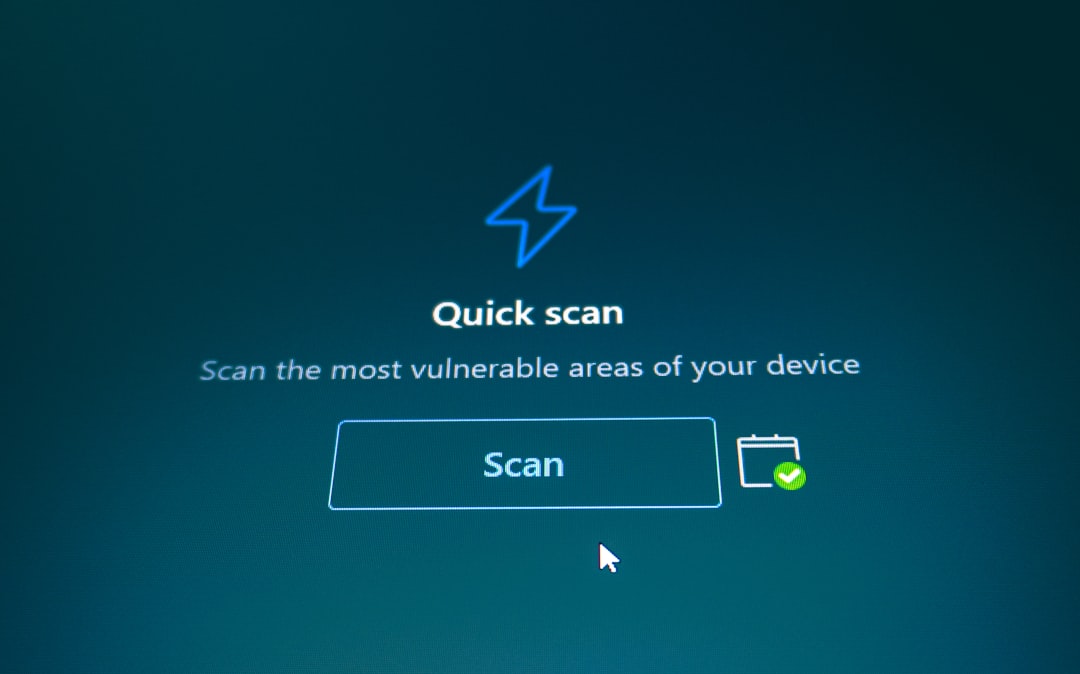
If it’s acting strange or very large in size, scan your system.
But in most cases, it’s perfectly fine.
Can You Delete desktop.ini?
Yes, you can.
It’s not locked forever.
If you delete it:
- Your folder may lose its custom icon
- Special view settings may reset
- Windows might create it again later
That last part surprises many people.
You delete it. It comes back.
Why?
Because Windows still needs those folder settings.
So it simply generates a new desktop.ini file.
It’s like deleting your browser cookies. They return when you browse again.
What Happens If You Disable Hidden Files?
If you don’t want to see desktop.ini files:
- Open File Explorer
- Click View
- Select Show
- Uncheck Hidden Items
Now they disappear from view.
They still exist.
You just don’t see them anymore.
This is the recommended approach.
There’s usually no need to delete system files.
Is desktop.ini Important for Windows?
For everyday use?
Not really.
Your computer will work without it.
But for customization?
Yes, it matters.
Windows uses it to:
- Maintain folder appearance
- Load special system folders
- Apply visual settings
Deleting one file won’t break Windows.
Deleting thousands randomly? That’s not smart.
desktop.ini vs Other Windows System Files
People often confuse desktop.ini with other files.
Let’s compare:
| File Name | Purpose | Safe? | Should You Delete? |
|---|---|---|---|
| desktop.ini | Stores folder customization settings | Yes | Not recommended but safe |
| pagefile.sys | Virtual memory file | Yes | No |
| hiberfil.sys | Hibernation data | Yes | Only if disabling hibernation |
| thumbs.db | Stores thumbnail previews | Yes | Optional |
As you can see, desktop.ini is harmless compared to bigger system files.
Why Does desktop.ini Appear on USB Drives?
Good question.
Sometimes you plug in a USB drive and see desktop.ini files.
Here’s why:
- You customized folders on that drive
- The drive was used on another Windows PC
- Windows automatically added folder behavior settings
This does not mean the USB is infected.
In fact, it’s very common.
But always scan external drives. Just to be safe.
How to Check If desktop.ini Is Legit
If you’re still unsure, follow these quick checks:
1. Check File Size
Real desktop.ini files are tiny. Usually under 10 KB.
2. Open It in Notepad
Right-click → Open with → Notepad.
You should see simple text like configuration settings.
3. Scan with Antivirus
Use Windows Security or any trusted antivirus.
4. Check File Location
It should sit inside a folder. Not in random system executables.
If everything looks normal, you’re safe.
Common Myths About desktop.ini
Let’s bust some myths.
- Myth: It slows down your PC.
Truth: It is too small to impact performance. - Myth: It is spyware.
Truth: It does not collect any data. - Myth: You must delete it regularly.
Truth: There is no reason to. - Myth: Hackers use it to control folders.
Truth: The original Windows file is harmless.
Should You Worry About desktop.ini in 2026?
No.
In 2026, it is still a normal part of Windows.
Microsoft continues to use it for folder customization.
It doesn’t spy on you.
It doesn’t slow your PC.
It doesn’t damage files.
It just stores tiny settings.
Final Verdict
The desktop.ini file looks suspicious. But it isn’t.
It’s a quiet helper working behind the scenes.
If you see it, don’t panic.
Now you know:
- What it does
- Why it exists
- Whether it’s safe
- When to ignore it
In almost every case, the best move is simple.
Leave it alone.
Let Windows handle it.
And enjoy your computer without fear of tiny mystery files.