
The Sony Handycam CCD-TRV308 is a nostalgic favorite among enthusiasts of analog and early digital-era camcorders. Released during a time when MiniDV and Hi8 ruled home video recording, the TRV308 earned attention for its reliability, ease of use, and surprisingly capable feature set. One of the most common questions prospective buyers and collectors still ask today is whether this camcorder offers effective night vision and low-light recording capabilities. If you’re considering using it for evening shoots, archival transfers, or creative projects, understanding these features is essential.
TLDR: Yes, the Sony Handycam CCD-TRV308 does include a NightShot infrared night vision mode, allowing you to record in very dark conditions. It also features low-light enhancements like Super NightShot and adjustable exposure settings. However, while impressive for its era, its low-light performance does not match modern digital cameras. It remains usable for creative projects, retro aesthetics, and certain nighttime situations with realistic expectations.
Understanding the Sony CCD-TRV308’s Core Capabilities
The CCD-TRV308 is a Hi8 analog camcorder equipped with a CCD (Charge-Coupled Device) image sensor. During its peak production era, Sony heavily promoted its NightShot technology, which became one of the defining features of many Handycam models.
Before diving into night performance, it’s helpful to understand the general imaging structure of the camera:
- Image Sensor: CCD sensor designed for Hi8 recording
- Optical Zoom: 20x optical zoom
- Digital Zoom: Up to 990x (though digital zoom reduces image quality)
- Recording Format: Hi8 analog tape
- IR System: Built-in infrared emitter for NightShot mode
While these specs may feel dated today, they were competitive at the time of release.
Does the CCD-TRV308 Have Night Vision?
Yes — it features Sony’s NightShot infrared technology.
This allows the camcorder to record in near-total darkness using infrared light invisible to the human eye. When activated, the camera switches to a monochrome green-tinted display and uses its internal infrared emitter to illuminate the scene.
How NightShot Works
NightShot bypasses the standard visible-light filter and enables the sensor to capture infrared light. The built-in IR emitter projects infrared illumination, which reflects off subjects and is captured by the CCD sensor.
This results in:
- Green-tinted monochrome footage
- Visible subjects in very dark or total darkness
- Reduced detail compared to daylight recording
One important limitation: when NightShot is enabled, many camera controls are automatically adjusted to optimize infrared imaging. Shutter speed and iris control may become limited. This was done to prevent overexposure in mixed lighting situations.
Super NightShot Mode
The CCD-TRV308 also includes Super NightShot, which further enhances brightness. This works by lowering shutter speed to let in more light, effectively brightening the image. The tradeoff is motion blur and reduced clarity when subjects move quickly.
How Good Is the Low-Light Performance Without NightShot?
While NightShot gets the most attention, traditional low-light recording (without infrared) is equally important. The TRV308’s CCD sensor performs reasonably well in dim environments compared to other camcorders from its generation.
Low-Light Strengths
- Solid CCD sensor sensitivity for its era
- Manual exposure control options
- Gain adjustment that boosts brightness
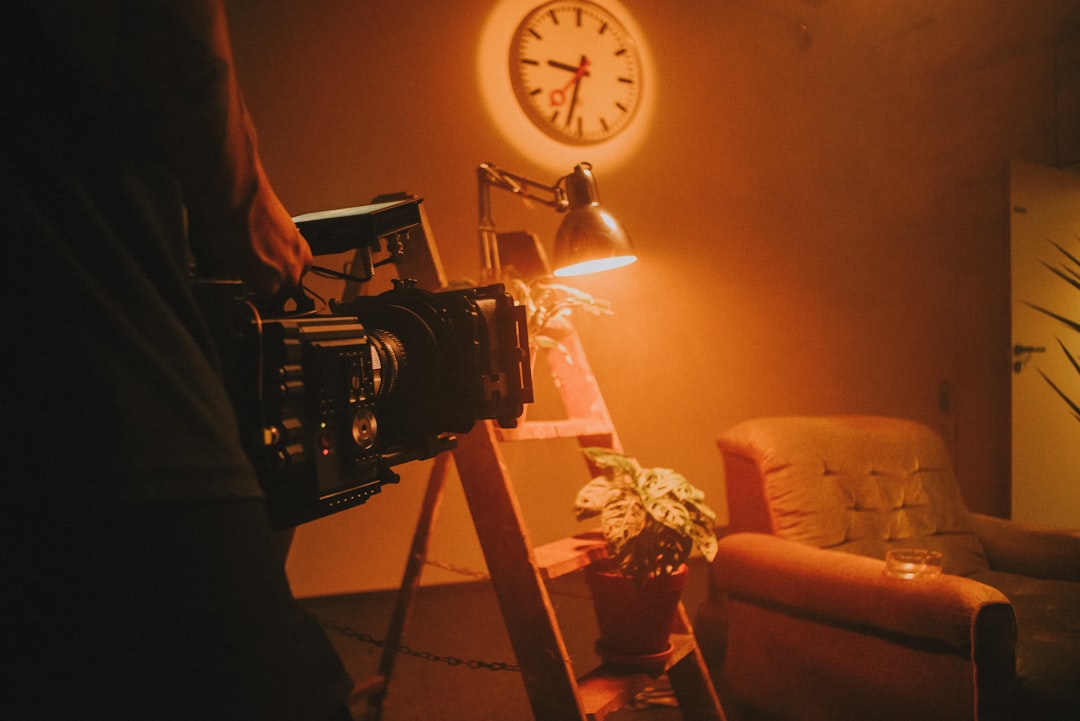
Indoors with minimal lighting—such as living rooms illuminated by lamps—the TRV308 can still produce usable footage. However, noise becomes visible as lighting drops.
Limitations in Low-Light Conditions
- Increased grain and visual noise
- Softer image detail
- Reduced color accuracy
- Motion blur at slower shutter speeds
Compared to modern CMOS sensors with advanced noise reduction, the TRV308 shows its age. Still, some creators actually prefer this analog grain for artistic or nostalgic effects.
Comparing NightShot and Standard Low-Light Modes
| Feature | NightShot Mode | Standard Low-Light Mode |
|---|---|---|
| Color | Monochrome green | Full color (reduced accuracy) |
| Works in total darkness | Yes | No |
| Infrared illumination | Yes (built-in) | No |
| Motion handling | Can blur in Super mode | Blur in very dim scenes |
| Best Use Case | Night surveillance style shooting | Indoor evening events |
Real-World Use Cases
1. Nighttime Outdoor Recording
In a dark backyard or unlit park, NightShot mode can capture silhouettes, people, and animals effectively within limited range. The built-in infrared emitter works best within approximately 10–12 feet. Beyond that, image brightness declines.
2. Indoor Events with Dim Lighting
Without activating NightShot, the camera performs decently in candlelit dinners, small gatherings, or evening celebrations—though expect grainy footage.
3. Paranormal or Retro Aesthetic Filming
The green infrared aesthetic became iconic in early 2000s television. Many creators intentionally seek out cameras like the TRV308 for that nostalgic night-vision look.
How It Compares to Modern Cameras
Modern camcorders and mirrorless cameras with large sensors dramatically outperform the TRV308 in low-light conditions. Key differences include:
- Larger sensors capturing more light
- Advanced digital noise reduction
- Higher ISO ranges
- Full-color night shooting without infrared
However, few modern cameras feature built-in infrared night vision without modification. In that sense, the TRV308 still holds a distinctive advantage for users seeking authentic IR recording without additional equipment.
Tips for Better Night and Low-Light Footage
If you plan to use the CCD-TRV308 today, consider these tips:
- Stay within infrared range when using NightShot
- Avoid mixed lighting for cleaner IR images
- Use a tripod to reduce blur in Super NightShot mode
- Add subtle ambient lighting instead of relying solely on gain boost
- Keep heads clean for sharpest Hi8 playback quality
Battery Considerations During Night Recording
Infrared operation and extended low-light shooting can drain batteries more quickly. Older original Sony batteries may not perform optimally today due to age. Investing in modern third-party compatible batteries can significantly improve recording time.
Is It Still Worth Using for Night Recording?
The answer depends on your goal.
If you want:
- Cinematic, clean 4K night footage — this is not your camera.
- Authentic early-2000s night vision footage — it’s a fantastic choice.
- Budget-friendly infrared capability — it remains a solid option.
Collectors and retro media enthusiasts especially value models like the CCD-TRV308 for their durability and creative potential.
Final Verdict
The Sony Handycam CCD-TRV308 absolutely includes both NightShot infrared night vision and practical low-light recording features. Its NightShot mode allows recording in almost complete darkness using built-in infrared technology, while Super NightShot boosts brightness in extremely dim conditions. Standard low-light recording is adequate for indoor evening events, though it cannot compete with modern sensors in clarity or noise control.
Despite technological advancements over the past two decades, the TRV308 retains a special place in camcorder history. Its night recording features are not just functional—they’re stylistically iconic. Whether you’re digitizing old Hi8 tapes, experimenting with infrared visuals, or embracing retro camcorder aesthetics, this Handycam still proves that older technology can remain creatively relevant.
In short: yes, it has night vision. And while it may not redefine low-light recording by today’s standards, it continues to offer a unique and surprisingly capable nighttime shooting experience.