
Food delivery platforms are entering a new era defined by speed, precision, and operational efficiency. In recent industry reports, leading food delivery apps have achieved up to an 85% improvement in delivery times compared to their performance just a few years ago. This dramatic transformation is not the result of a single innovation, but rather a convergence of advanced logistics algorithms, artificial intelligence, optimized driver networks, and improved restaurant coordination. As customer expectations continue to rise, speed has become one of the most critical competitive differentiators in the food delivery market.
TLDR: Major food delivery apps have reported delivery time improvements of up to 85%, driven by AI-powered logistics, smarter driver routing, and enhanced restaurant integration. These upgrades reduce delays, increase order accuracy, and improve customer satisfaction. Faster delivery translates into better food quality upon arrival and stronger brand loyalty. The logistics revolution behind the scenes is reshaping the entire food delivery ecosystem.
Consumers today expect restaurant-quality meals delivered to their doorsteps quickly and reliably. Long wait times, once tolerated, now result in order cancellations and negative reviews. In response, companies have fundamentally redesigned their systems from the ground up, prioritizing speed without sacrificing reliability or food safety.
The Technology Driving Faster Deliveries
The most significant contributor to these improvements is the rise of AI-powered logistics optimization. Food delivery apps now rely on machine learning models that continuously analyze millions of data points, including:
- Historical order patterns
- Restaurant preparation speeds
- Traffic conditions in real time
- Weather disruptions
- Driver availability and proximity
- Customer location density
These models calculate the most efficient driver-to-order assignments within seconds. Rather than simply dispatching the nearest driver, modern systems determine which available courier can complete the delivery in the shortest total time, factoring in preparation windows and nearby stacked orders.

By dynamically adjusting routes during transit, apps can reroute drivers around traffic congestion, road closures, or sudden delays. This real-time rerouting capability alone has shaved minutes off average delivery times in dense metropolitan areas.
Improved Restaurant Integration
Delivery efficiency does not begin when a driver picks up an order—it starts in the restaurant kitchen. A major source of past delays was poor synchronization between order placement and food preparation. Apps have addressed this with tighter restaurant integration systems.
Modern restaurant dashboards now:
- Predict order surges based on time and local trends
- Recommend preparation batching strategies
- Alert staff when drivers are minutes away
- Adjust prep times dynamically during peak periods
Some platforms have introduced smart kitchen display systems that prioritize orders by estimated driver arrival time. This ensures that food is neither sitting too long nor still being prepared when the courier arrives.
The result is a more synchronized chain where kitchens and drivers operate on aligned timelines—significantly reducing idle wait times on both ends.
Expansion of Micro-Fulfillment and Dark Kitchens
Another transformative development has been the growth of dark kitchens (delivery-only kitchens) and micro-fulfillment hubs. Rather than operating solely from traditional dine-in locations, many restaurants now prepare delivery orders from strategically placed facilities in high-demand zones.
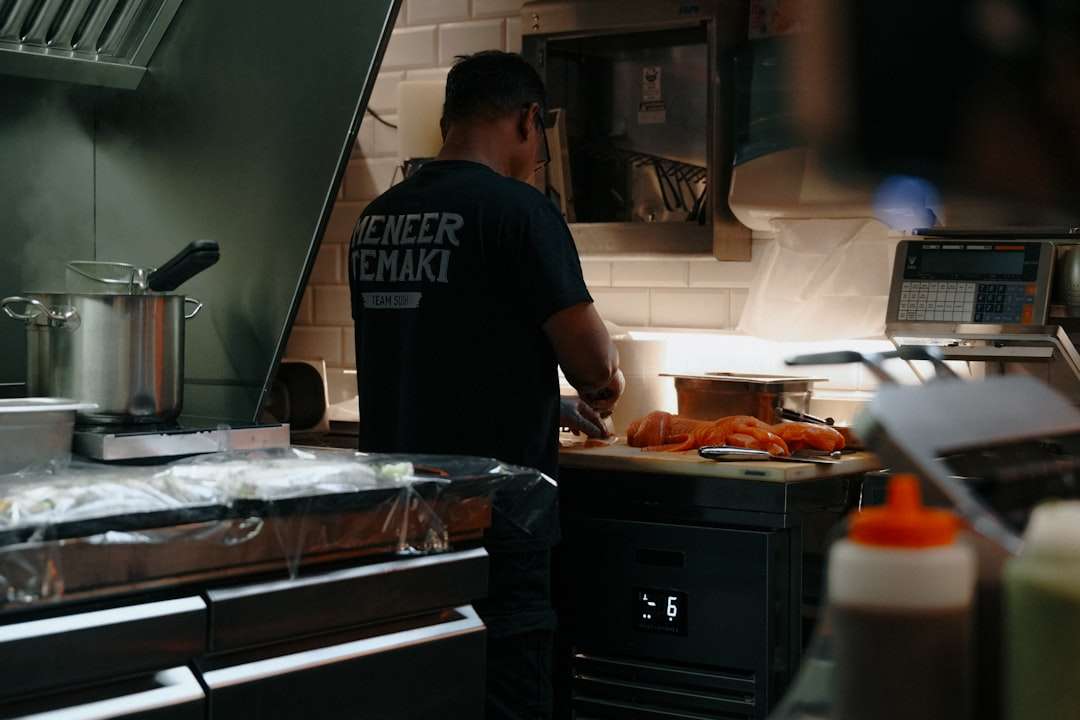
These delivery-focused facilities offer several advantages:
- Reduced travel distance between kitchen and customer
- Streamlined menus optimized for speed
- Layouts designed specifically for courier pickup efficiency
- No dine-in traffic disruptions
By shortening geographic distances alone, some markets have achieved delivery window reductions of 30–40%. When combined with technological routing enhancements, overall improvements have compounded significantly.
Smarter Driver Networks and Incentives
Food delivery apps have also overhauled driver logistics. Instead of passively waiting for drivers to log into the system, platforms now use predictive demand modeling to position couriers in high-activity zones before peak periods begin.
Key driver optimization strategies include:
- Heat maps predicting order surges
- Incentivized positioning bonuses
- Batching compatible deliveries in close proximity
- Enhanced onboarding and training systems
Batching, when executed correctly, has been a particularly impactful innovation. Advanced algorithms ensure that multiple orders grouped together share efficient routes, minimizing detours and preventing excessive delays for any individual customer.
Contrary to earlier delivery stacking methods that sometimes harmed user experience, today’s AI-driven batching focuses on precision timing. Orders are only grouped when predictive models confirm that total delivery time remains competitive.
The Role of Automation and Data Analytics
Data analytics now permeates every layer of food delivery operations. Companies track metrics such as:
- Average preparation time per restaurant
- Driver idle time
- Travel speed per neighborhood
- Customer feedback on punctuality
- Order cancellation rates
This level of performance tracking enables swift corrective action. For example:
- Restaurants with repeated delays receive automated performance alerts.
- Delivery zones with bottlenecks are subdivided to reduce congestion.
- Underperforming time slots are addressed with staffing adjustments.
Continuous optimization ensures that delivery improvements are not temporary gains but sustainable advancements.
Maintaining Food Quality While Increasing Speed
One concern frequently raised is whether faster delivery compromises food quality. Industry data suggests the opposite. Reduced transit times mean food arrives hotter, fresher, and closer to its intended presentation standard.
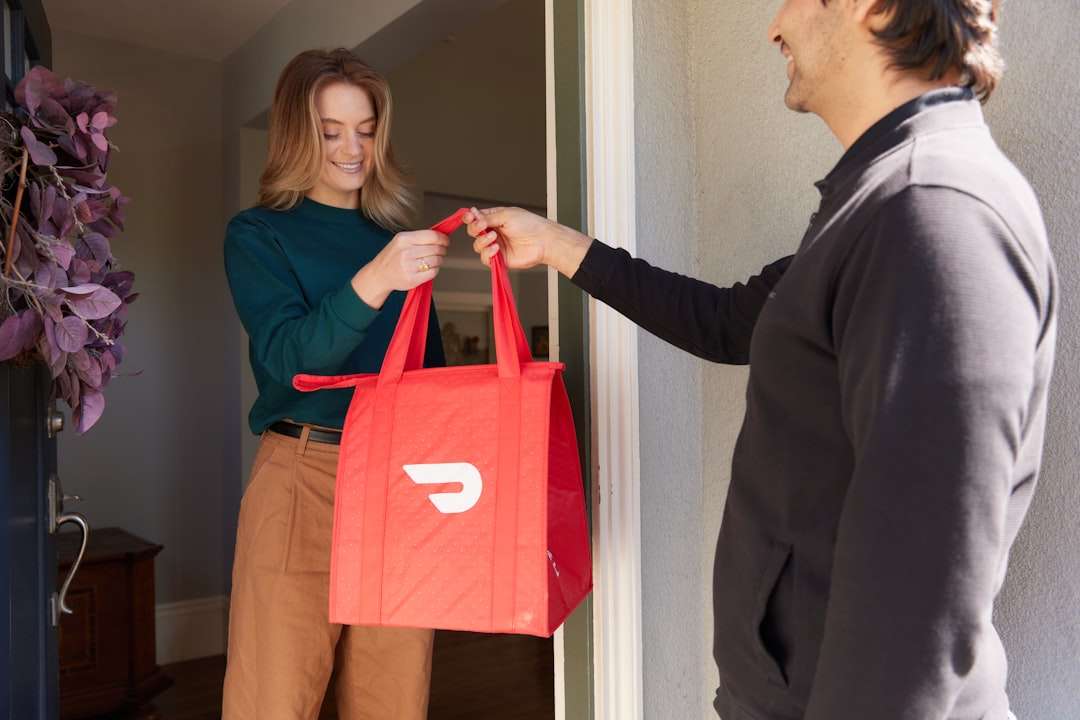
Additionally, packaging innovations have complemented time reductions. Restaurants increasingly use:
- Ventilated containers to prevent condensation
- Insulated multi-compartment packaging
- Sealed tamper-evident materials
- Spill-resistant drink carriers
Shorter delivery times combined with improved packaging have led to measurable increases in customer satisfaction ratings.
Comparison of Leading Speed Optimization Strategies
| Optimization Strategy | Primary Impact | Estimated Contribution to Time Reduction | Implementation Complexity |
|---|---|---|---|
| AI Route Optimization | Minimizes travel time and detours | High (20–35%) | Advanced algorithm development required |
| Dark Kitchens | Reduces distance to customers | High (15–30%) | High infrastructure investment |
| Smart Restaurant Dashboards | Synchronizes food prep and pickup | Moderate (10–20%) | Moderate technology integration |
| Driver Demand Forecasting | Reduces courier idle time | Moderate (8–15%) | Data dependent |
| Precision Order Batching | Improves delivery efficiency per trip | Moderate (5–12%) | High algorithm accuracy needed |
When deployed collectively, these strategies have produced the widely reported up to 85% improvement in certain markets and time frames.
Customer Impact and Market Expectations
For customers, faster delivery translates to more than convenience. It represents:
- Greater trust in platform reliability
- More frequent repeat ordering
- Reduced frustration during peak hours
- Improved overall dining-at-home experience
Survey data indicates that delivery speed ranks among the top three decision-making factors when consumers choose between competing apps. In urban markets especially, customers expect delivery times under 30 minutes for many restaurant categories.
Failure to meet these expectations often results in app switching behavior. Consequently, companies are treating delivery speed not merely as an operational metric but as a core strategic priority.
Challenges and Sustainability Considerations
While speed improvements are impressive, they must be balanced with responsible growth. Scaling delivery networks rapidly can introduce risks such as:
- Courier fatigue
- Traffic safety concerns
- Environmental impact from increased trips
- Quality control variability
To mitigate these risks, companies are investing in route consolidation efficiency, electric vehicle adoption, and safety-centered courier policies. The long-term viability of faster delivery depends on sustainable logistics practices.
The Future of Rapid Food Delivery
Looking forward, additional advancements are likely to further redefine delivery performance. These may include:
- Autonomous delivery vehicles
- Drone-based short-distance fulfillment
- Hyper-local kitchen expansion
- Predictive pre-prepared menu models based on demand analytics
As predictive analytics continues to improve, platforms may move closer to anticipatory logistics—preparing high-probability orders before customers even complete checkout.
The reported 85% improvement in delivery times is not an endpoint but an indicator of how profoundly digital transformation is reshaping the food delivery ecosystem. What began as a convenience service has evolved into a technologically advanced logistics network operating at remarkable speed and efficiency.
In conclusion, today’s food delivery apps are no longer simple intermediaries between restaurants and customers. They are data-driven infrastructure platforms leveraging artificial intelligence, predictive analytics, and optimized supply chains to deliver measurable performance gains. Faster delivery times enhance food quality, increase customer loyalty, and strengthen competitive positioning. As innovation continues, the standard for what qualifies as “fast delivery” will likely shift even further—raising expectations across the entire industry.