
Staying consistent with diet and nutrition goals can be challenging, especially in a world filled with busy schedules, social events, and endless food choices. Fortunately, modern technology offers practical solutions that make tracking meals, planning menus, and monitoring progress easier than ever. Diet and nutrition apps have evolved into powerful tools that provide structure, accountability, and motivation for people at every stage of their health journey.
TLDR: Diet and nutrition apps help users stay consistent by tracking calories, offering personalized plans, sending reminders, and providing progress insights. The best apps combine usability, data accuracy, and motivational features such as streaks and goal tracking. Whether the goal is weight loss, muscle gain, or healthier eating habits, choosing the right app significantly increases long-term consistency. This article explores top features, compares leading apps, and explains how to use them effectively.
Why Consistency Is the Biggest Challenge in Nutrition
Most people do not struggle with knowing what to do. They struggle with doing it consistently. Healthy eating requires repeated daily decisions, and even small lapses can slow progress. Without tracking and accountability, it becomes easy to underestimate calorie intake or overlook portion sizes.
Diet apps address these challenges by:
- Providing real-time calorie and macro tracking
- Sending reminders to log meals and hydrate
- Offering visual progress charts
- Helping users set realistic, measurable goals
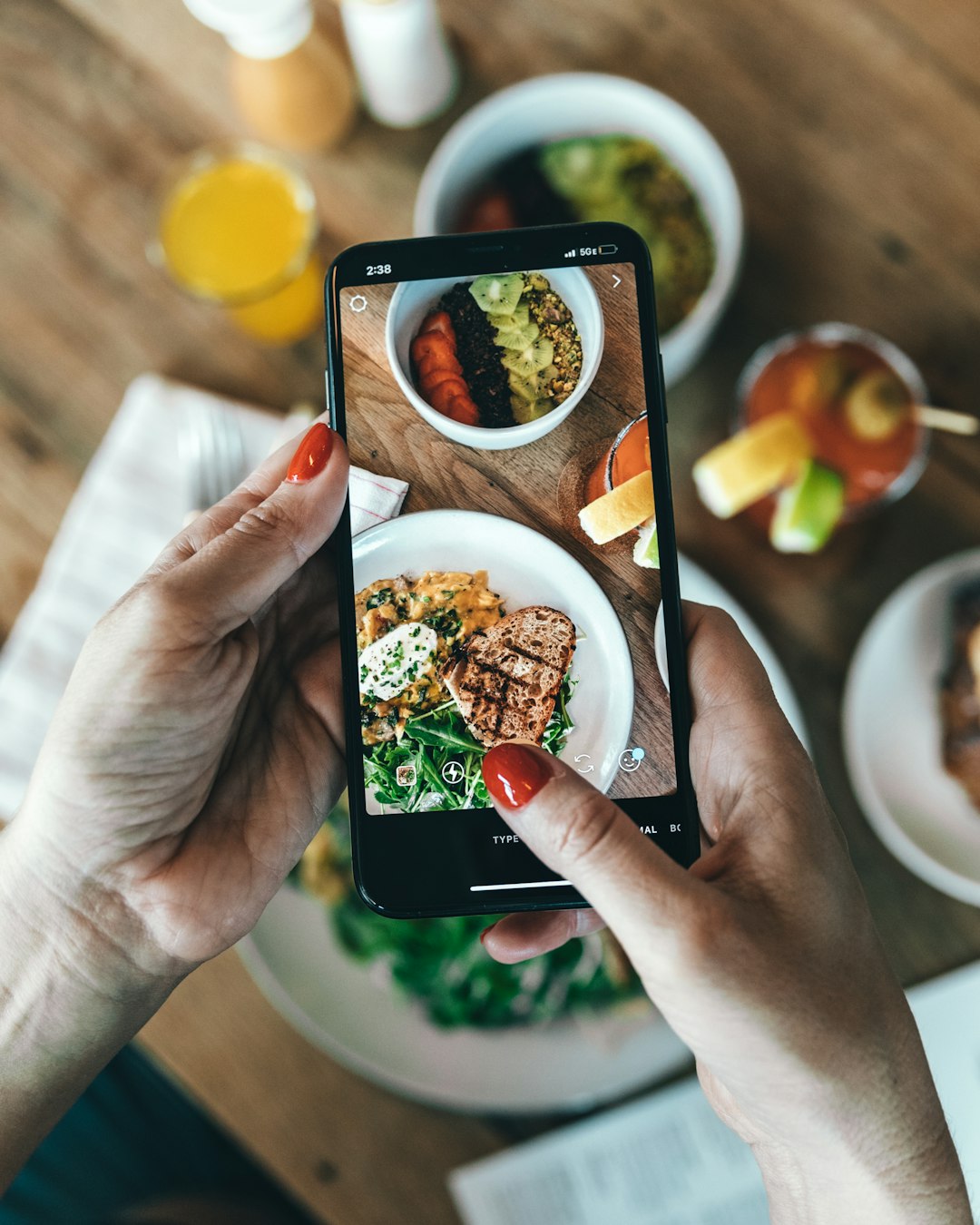
By transforming abstract goals into measurable data, these apps help users maintain structure and stay accountable.
Key Features That Drive Long-Term Success
Not all nutrition apps are created equal. The most effective ones share several important features:
1. Comprehensive Food Database
A large, accurate food database allows users to log meals quickly. Barcode scanning and restaurant listings simplify tracking, reducing friction and saving time.
2. Macro and Micronutrient Tracking
Beyond calories, many users track protein, carbohydrates, and fats. Some apps also monitor fiber, sugar, sodium, and vitamins, making them useful for specialized dietary needs.
3. Goal Customization
Whether someone aims to lose weight, build muscle, maintain weight, or follow keto or plant-based diets, customization is essential. Personalized recommendations make goals more realistic and sustainable.
4. Progress Visualization
Charts, graphs, and streak counters provide visual motivation. Seeing week-by-week improvements reinforces positive habits.
5. Community and Coaching
Some apps integrate social feeds, coaching services, or accountability groups. Support systems improve adherence significantly.
Top Diet and Nutrition Apps for Staying Consistent
Below are several widely used apps that help users build and maintain consistent nutrition habits.
1. MyFitnessPal
- Extensive food database
- Barcode scanner
- Macro tracking
- Integration with fitness devices
MyFitnessPal is often considered the gold standard for calorie tracking. Its simplicity and robust database make logging quick and efficient.
2. Cronometer
- Detailed micronutrient tracking
- High data accuracy
- Ideal for specialized diets
Cronometer is particularly beneficial for those who need deeper insight into vitamin and mineral intake.
3. Noom
- Psychology-based behavior coaching
- Daily lessons and quizzes
- Personal coaching options
Noom focuses on mindset and behavioral change, making it ideal for users who struggle with emotional eating.
4. Lose It!
- User-friendly interface
- Goal-based programs
- Meal planning tools
Lose It! simplifies calorie tracking and is well-suited for beginners.
5. MyPlate
- Easy meal logging
- Simple nutrition breakdown
- Clean visual dashboards
MyPlate combines straightforward tracking with educational resources.

Comparison Chart of Popular Nutrition Apps
| App | Best For | Macro Tracking | Micronutrient Tracking | Coaching Features | Ease of Use |
|---|---|---|---|---|---|
| MyFitnessPal | General tracking | Yes | Limited | No | High |
| Cronometer | Detailed nutrient analysis | Yes | Extensive | No | Medium |
| Noom | Behavior change | Basic | Limited | Yes | High |
| Lose It! | Weight loss beginners | Yes | Basic | Optional | High |
| MyPlate | Simple tracking | Yes | Basic | No | High |
How Diet Apps Improve Accountability
Consistency improves when actions are measured. Nutrition apps create accountability through:
- Daily logging streaks that motivate uninterrupted tracking
- Notifications reminding users to log meals or drink water
- Weekly reports summarizing calorie averages and macro ratios
- Progress photos stored privately for visual comparison
When individuals see tangible proof of their efforts, they are more likely to continue.
Tips for Using Nutrition Apps Effectively
Downloading an app is only the first step. To maximize success, users should follow these strategies:
- Log immediately after eating: Delayed logging increases inaccuracies.
- Pre-plan meals: Many apps allow users to log future meals, reinforcing good choices.
- Use a food scale: Estimating portions often leads to undercounting calories.
- Review weekly reports: Look for trends rather than obsessing over single days.
- Adjust goals gradually: Small caloric deficits are more sustainable than extreme cuts.

The Psychological Benefits of Tracking
Beyond numbers, diet apps provide psychological reinforcement. Tracking creates awareness, and awareness fosters mindful eating. Users often begin noticing patterns such as late-night snacking or emotional triggers.
Behavioral psychology suggests that consistent self-monitoring increases the likelihood of habit formation. The act of logging reinforces identity: someone who tracks their meals is someone committed to improvement.
Are Diet and Nutrition Apps Worth It?
The value of these apps largely depends on how they are used. For individuals serious about achieving measurable goals, they provide:
- Structure
- Transparency
- Data-driven feedback
- Motivation through milestones
However, users should avoid becoming overly obsessive. Apps are tools meant to guide, not control. Flexibility and balance remain essential components of a healthy relationship with food.
Choosing the Right App for Specific Goals
- Weight Loss: MyFitnessPal or Lose It! offer straightforward calorie deficits and tracking.
- Muscle Gain: Apps with detailed macro tracking like MyFitnessPal or Cronometer are ideal.
- Medical Diets: Cronometer’s micronutrient detail supports therapeutic nutrition planning.
- Habit Change: Noom’s behavioral coaching supports long-term mindset shifts.
The best app is the one a person will actually use daily. Simplicity often beats complexity when it comes to long-term adherence.
Frequently Asked Questions (FAQ)
1. Are diet apps accurate?
Most reputable apps rely on large user databases and verified nutritional sources. While minor inaccuracies can occur, especially in user-submitted entries, weighing food and double-checking entries significantly improves precision.
2. Do nutrition apps work without exercise?
Yes. While exercise enhances results, diet plays a primary role in weight management. Nutrition apps can be effective even without a structured workout routine.
3. Are paid versions worth it?
Premium features often include advanced macro tracking, detailed reports, and customized goals. For users with specific needs, the upgrade can provide added value.
4. Can diet apps lead to obsessive behavior?
For some individuals, excessive tracking may increase anxiety. It is important to use these tools as guides rather than strict enforcers and to seek professional advice if food tracking becomes stressful.
5. How long should someone use a nutrition app?
Many people use them consistently for several months until healthy habits become automatic. Others prefer long-term use for continued accountability and data tracking.
6. What is the best app for beginners?
Apps with simple interfaces and easy logging features, such as Lose It! or MyFitnessPal, are generally best for those just starting out.
Diet and nutrition apps have transformed the way people approach healthy eating. By offering structure, insight, and motivation, they remove much of the guesswork from reaching health goals. With thoughtful use and consistent tracking, these digital tools can become powerful allies in building sustainable eating habits.