
Modern agriculture is no longer driven by intuition alone. Across the globe, farmers are turning to precision agriculture analytics tools to make informed, data-driven decisions that improve yields, manage risk, and optimize input costs. Platforms like Climate FieldView have transformed raw field data into actionable insights, enabling producers to manage variability, reduce waste, and increase profitability with unprecedented accuracy.
TLDR: Precision agriculture analytics tools such as Climate FieldView help farmers collect, analyze, and act on field-level data in real time. These platforms integrate weather, soil, planting, and yield data to reveal patterns and optimize decisions. By using satellite imagery, sensors, and predictive analytics, farmers can reduce costs, improve productivity, and manage risk more effectively. Data-driven farming is quickly becoming essential for long-term sustainability and competitiveness.
As margins tighten and environmental pressures grow, the ability to make better decisions using accurate data is not a luxury—it is a competitive necessity. This article explores how precision agriculture analytics tools work, their benefits, the leading platforms available, and how they are reshaping modern farming.
What Are Precision Agriculture Analytics Tools?
Precision agriculture analytics tools are digital platforms that combine agronomic data, satellite imagery, sensor inputs, and predictive algorithms to provide detailed insights about farm operations. These tools transform vast amounts of complex data into visual maps, performance metrics, and actionable recommendations.
Core data sources typically include:
- Satellite and drone imagery for crop health monitoring
- GPS-enabled machinery data for planting and harvesting insights
- Soil sampling information for nutrient analysis
- Weather data for forecasting and risk assessment
- Yield monitors to track field performance
When integrated into a centralized dashboard, this information allows farmers to understand variability within individual fields and make highly targeted adjustments.
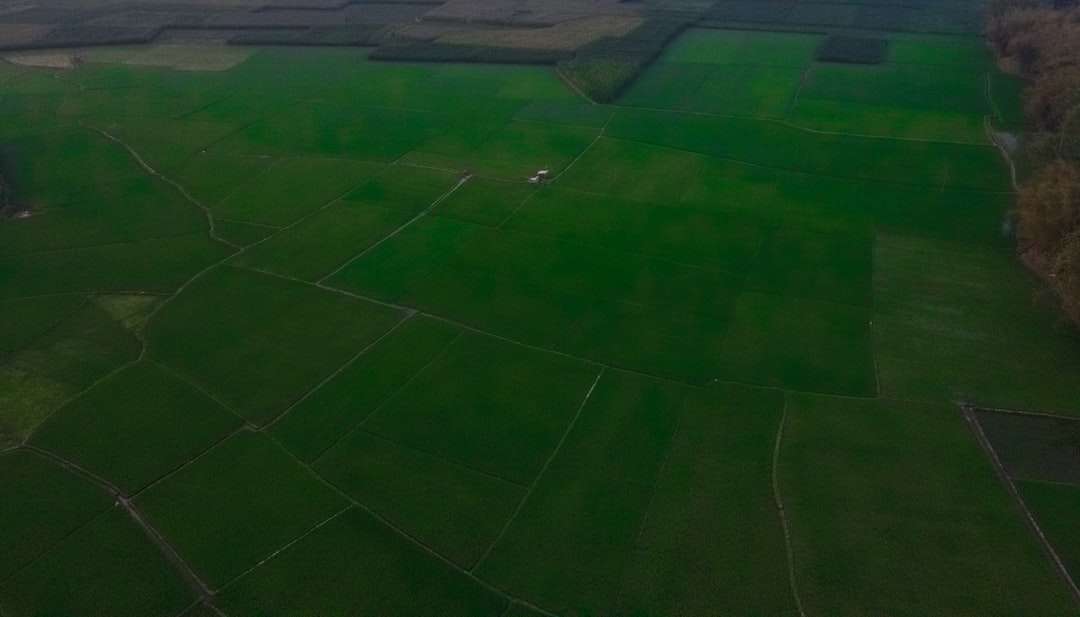
How Climate FieldView Sets the Standard
Climate FieldView, developed by The Climate Corporation (a subsidiary of Bayer), is widely regarded as one of the most advanced agricultural analytics platforms available today. It connects seamlessly with equipment from major manufacturers and integrates multiple data streams into one intuitive interface.
Key features of Climate FieldView include:
- Field Health Maps showing crop variability throughout the season
- Yield Analysis Tools to compare hybrid and seed performance
- Weather Tracking with localized forecasting models
- Planting and Harvest Data Visualization
- Variable Rate Prescriptions for optimized input application
One of the platform’s strongest advantages is its ability to generate multi-layer maps. Farmers can overlay planting dates, seeding rates, moisture levels, and yield results to identify patterns that would otherwise remain hidden. This helps isolate underperforming zones and determine whether issues stem from soil composition, seed selection, irrigation inefficiency, or pest pressure.
The Value of Data-Driven Field Management
The primary objective of precision agriculture analytics is simple: maximize output while minimizing waste. But the strategic advantages extend far beyond input savings.
Key benefits include:
- Improved Yield Consistency: By identifying high- and low-performing areas, farmers can make targeted interventions.
- Cost Control: Variable rate technology ensures that fertilizer, seeds, and chemicals are applied only where needed.
- Risk Management: Historical data modeling helps anticipate weather impacts and disease pressure.
- Sustainability: Reduced input waste lowers environmental impact.
- Operational Efficiency: Real-time data reduces guesswork and streamlines decision-making.
For example, instead of applying uniform nitrogen rates across an entire field, analytics tools allow for precise adjustments based on soil nutrient levels and crop health data. The result is often higher productivity with lower overall fertilizer use.
Other Leading Precision Agriculture Analytics Platforms
While Climate FieldView remains a market leader, several other platforms provide competitive and specialized functionality. Each brings distinct strengths depending on farm size, crop focus, and existing technology infrastructure.
John Deere Operations Center
- Deep integration with John Deere equipment
- Machine performance monitoring
- Agronomic data tracking and documentation
Corteva Granular
- Strong agronomic advisory services
- Farm management and financial tracking
- Customized crop plans
Trimble Ag Software
- Advanced water management tools
- GPS-based guidance systems
- Strong compatibility with irrigation operations
Sentera
- Drone-based crop scouting
- High-resolution field imaging
- Plant-level health analytics
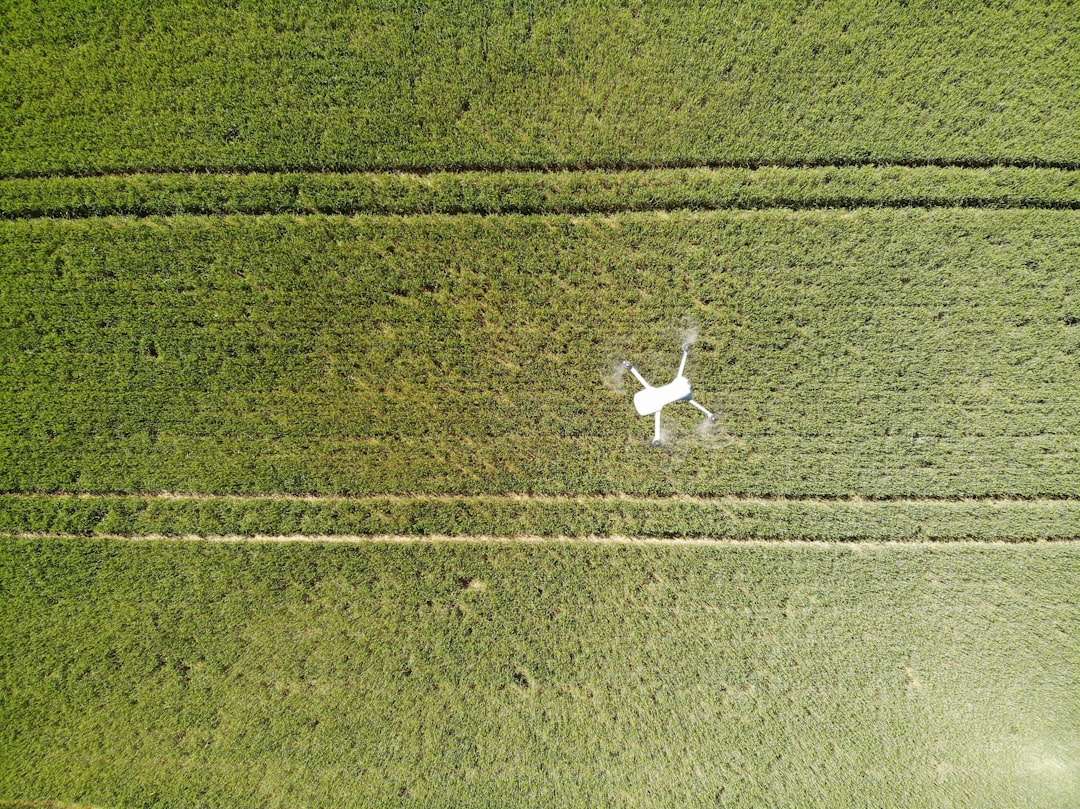
Comparison of Leading Precision Agriculture Analytics Tools
| Platform | Primary Strength | Equipment Integration | Imagery Capabilities | Best For |
|---|---|---|---|---|
| Climate FieldView | Comprehensive field analytics | Multi-brand compatibility | Satellite-based | Large and mid-size farms |
| John Deere Operations Center | Machine integration | Strong with John Deere | Basic satellite imagery | Equipment-focused operators |
| Corteva Granular | Agronomic advisory | Moderate | Satellite imagery | Strategic crop planning |
| Trimble Ag Software | Water management | Broad compatibility | Limited | Irrigated operations |
| Sentera | Drone imaging analytics | Equipment independent | High-resolution drone | High-value crops |
The Role of Predictive Analytics and Artificial Intelligence
Beyond simple visualization, next-generation platforms are incorporating artificial intelligence and machine learning to refine recommendations. Predictive models analyze historical yield data, weather patterns, and planting information to anticipate outcomes before problems occur.
Examples of predictive capabilities include:
- Forecasting disease outbreaks based on humidity and temperature trends
- Recommending optimal planting dates
- Estimating yield projections mid-season
- Predicting irrigation requirements
This forward-looking approach shifts farm management from reactive to proactive. Rather than responding to visible crop stress, farmers can intervene before yield is significantly impacted.
Environmental and Regulatory Implications
Environmental compliance and sustainability targets are increasingly central to modern farming. Governments and buyers alike are demanding improved traceability and resource efficiency.
Precision agriculture analytics tools support these goals by:
- Documenting fertilizer and chemical usage
- Tracking carbon management efforts
- Reducing runoff through targeted application
- Lowering fuel consumption with optimized routes
Accurate digital records also simplify reporting requirements, making audits and certifications less burdensome.
Barriers to Adoption
Despite clear advantages, adoption rates vary depending on farm size and technical sophistication. Common challenges include:
- Upfront Investment: Equipment upgrades and subscriptions can be costly.
- Data Management Complexity: Large volumes of data require organization and interpretation.
- Connectivity Issues: Rural internet access can limit real-time functionality.
- Learning Curve: Operators must develop digital literacy skills.
However, as platforms become more user-friendly and connectivity improves, these barriers are steadily decreasing.
The Future of Data-Driven Farming
The future of agriculture lies in deeper integration between biological science and digital intelligence. Emerging technologies such as autonomous machinery, advanced remote sensing, and blockchain-based traceability systems will likely converge with analytics platforms.
In coming years, precision agriculture tools are expected to offer:
- Real-time autonomous adjustments in machinery
- More granular plant-level analytics
- Carbon credit optimization dashboards
- Fully integrated supply chain visibility
Ultimately, farms will operate as interconnected ecosystems where every decision—down to individual seed placement—is informed by layered data analysis.
Conclusion
Precision agriculture analytics tools like Climate FieldView represent a significant shift in how farming decisions are made. By centralizing and analyzing diverse data sources, these platforms empower farmers to move beyond intuition toward measurable, repeatable strategies.
Through enhanced yield visibility, targeted input management, and predictive modeling, data-driven agriculture improves both economic and environmental outcomes. While adoption requires investment and adaptation, the long-term advantages are compelling. As global food demand continues to rise and environmental constraints intensify, precision analytics will not merely support modern agriculture—they will define it.