
Imagine building a machine, a factory, or even a whole city before you build it in real life. You test it. You break it. You fix it. All on a computer. That is the power of digital twin simulation tools like Siemens NX. They let engineers create a virtual copy of real-world systems and make them better, faster, and smarter.
TLDR: Digital twin tools like Siemens NX create virtual versions of real-world products and systems. These digital models let engineers test, simulate, and improve designs before building anything physical. This saves time, reduces cost, and lowers risk. Companies use them for cars, airplanes, factories, and even smart cities.
What Is a Digital Twin?
A digital twin is a virtual replica of a physical object or system. It behaves like the real thing. It responds to data. It changes over time.
Think of it like a video game version of a real-world machine. But much more advanced.
A digital twin can represent:
- A single part, like a gear
- A full product, like a car
- A system, like a power plant
- A process, like a manufacturing line
The magic happens when real-world data flows into the model. Sensors send information. The digital twin updates. Engineers see what is happening instantly.
How Siemens NX Fits In
Siemens NX is one of the most powerful digital twin platforms in the world. It combines design, simulation, and manufacturing tools in one system.
Instead of using separate tools for:
- 3D modeling
- Engineering analysis
- Manufacturing planning
- Performance testing
You can do it all inside NX.
This creates a smooth workflow. Designers and engineers work together. Everyone sees the same data. Fewer mistakes happen.
Why Digital Twins Matter
Building physical prototypes is expensive. It takes time. And if something goes wrong, you lose money.
With a digital twin, you can:
- Test designs early
- Predict failures
- Improve performance
- Reduce waste
- Speed up development
You can simulate stress, heat, vibration, airflow, and more. All before production begins.
This is especially useful in industries like:
- Aerospace
- Automotive
- Energy
- Healthcare devices
- Industrial equipment
How the Simulation Process Works
Let us break it down into simple steps.
1. Create the 3D Model
The first step is building a detailed 3D design. Every part is modeled accurately.
2. Add Physics and Behavior
Next, you apply real-world rules. Materials have weight. Parts bend under stress. Heat spreads.
3. Run Simulations
Engineers test different conditions. Extreme temperatures. Heavy loads. Long-term use.
4. Analyze Results
You see weak points. You find inefficiencies. You adjust the design.
5. Optimize
The system suggests improvements. You refine the model again.
This loop continues until performance is just right.
Key Features of Siemens NX
Siemens NX stands out because it combines many powerful capabilities in one platform.
- Advanced 3D Modeling: Build complex shapes with precision.
- Finite Element Analysis (FEA): Simulate stress and structural performance.
- Computational Fluid Dynamics (CFD): Analyze airflow and fluid movement.
- Motion Simulation: See how parts move together.
- Manufacturing Integration: Plan machining and production steps.
This integrated approach reduces data loss between stages.
Real-World Example: Automotive Industry
Imagine a car company designing a new electric vehicle.
They need to:
- Design a lightweight frame
- Improve battery cooling
- Reduce air resistance
- Ensure crash safety
Using Siemens NX, they create a full digital twin of the vehicle.
They simulate:
- Airflow over the body
- Heat distribution in the battery
- Crash impact scenarios
- Vibrations at high speeds
Problems appear on the screen before they appear in real life.
This means fewer recalls. Better safety. Lower costs.
Beyond Products: Digital Twins for Factories
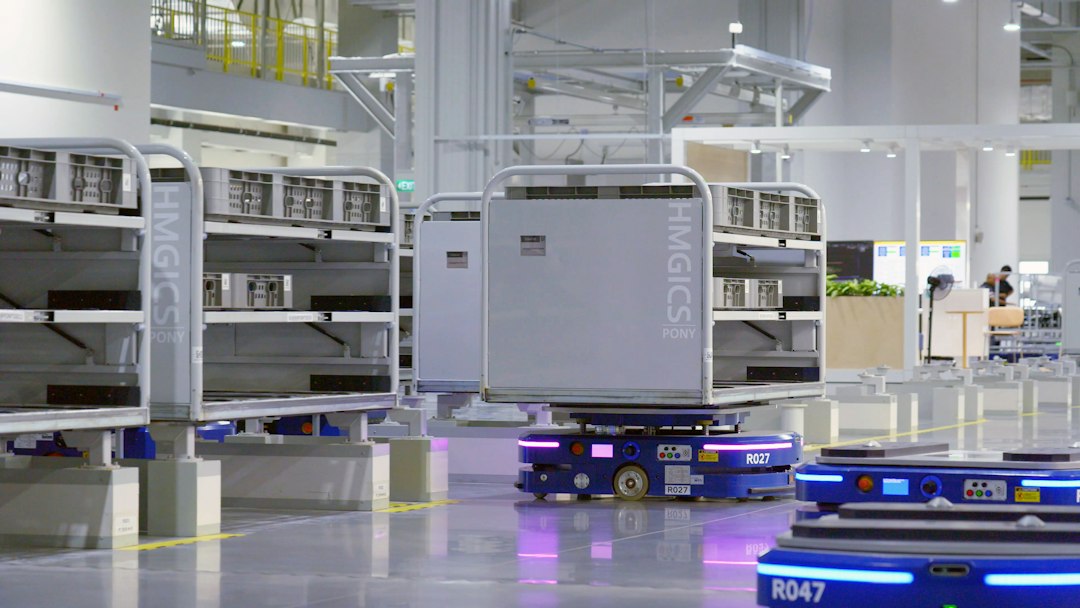
Digital twins are not just for products. They can model entire factories.
You can simulate:
- Production line flow
- Robot movement
- Machine downtime
- Energy consumption
This helps managers answer critical questions:
- Where is the bottleneck?
- What happens if demand doubles?
- How can we reduce energy use?
The result is a smarter factory. Often called a smart manufacturing system.
Other Popular Digital Twin Tools
Siemens NX is powerful. But it is not alone. Several other platforms also offer digital twin capabilities.
1. ANSYS Twin Builder
- Strong in physics-based simulation
- Great for aerospace and energy
- Advanced system-level modeling
2. Dassault Systèmes 3DEXPERIENCE
- Includes CATIA and SIMULIA
- Strong collaboration tools
- Widely used in automotive and aerospace
3. PTC Creo and ThingWorx
- Connects physical IoT data to models
- Strong real-time monitoring features
- Good for industrial equipment
4. Autodesk Fusion
- User-friendly interface
- Cloud-based workflows
- Popular with startups and small teams
Digital Twin Tool Comparison
| Tool | Best For | Strength | Complexity |
|---|---|---|---|
| Siemens NX | Full product lifecycle | All-in-one design and simulation | High |
| ANSYS Twin Builder | Physics-heavy systems | Deep simulation accuracy | High |
| Dassault 3DEXPERIENCE | Large enterprises | Collaboration and integration | High |
| PTC Creo & ThingWorx | IoT-connected systems | Real-time operational data | Medium |
| Autodesk Fusion | Startups and SMBs | Cloud flexibility | Medium |
Benefits You Cannot Ignore
Digital twin tools deliver measurable value.
- Cost Savings: Fewer physical prototypes.
- Faster Time to Market: Designs validated early.
- Better Quality: Issues found before production.
- Sustainability: Reduced material waste.
- Predictive Maintenance: Fix problems before failure.
Companies that adopt digital twin strategies often see major efficiency gains.
Challenges to Consider
It is not all easy.
Digital twin systems require:
- High computing power
- Skilled engineers
- Accurate data
- Strong cybersecurity
Bad data leads to bad simulations.
Also, implementation can be expensive at first. But over time, savings usually outweigh costs.
The Future of Digital Twins
The future looks exciting.
We are seeing:
- AI-driven optimization
- Real-time cloud simulations
- Integration with IoT sensors
- Augmented reality visualization
Imagine wearing AR glasses and seeing a machine’s digital twin floating beside it. Live data updates in front of your eyes.
Or AI automatically adjusting factory settings for maximum efficiency.
That future is closer than you think.
Why This Matters for Businesses
Competition is global. Margins are tight. Customers want high quality and fast delivery.
Digital twin tools give companies a powerful edge.
They turn guesswork into science.
They transform reactive decisions into predictive strategies.
Instead of asking, “What went wrong?” companies can ask, “What might go wrong?”
That shift is game-changing.
Final Thoughts
Digital twin simulation tools like Siemens NX are changing how we design and operate systems. They bring the physical and digital worlds together. They allow safe experimentation. They encourage innovation.
From cars to airplanes. From factories to smart cities. Digital twins help us build smarter, safer, and more efficient systems.
And the best part?
You can fix mistakes in a virtual world long before they become expensive problems in the real one.
That is not just smart engineering.
That is the future.