Clinical research is one of the most complex and tightly regulated industries in the world. From patient recruitment and informed consent to data monitoring and regulatory reporting, every stage of a trial demands accuracy, transparency, and efficiency. Clinical Trial Management Systems (CTMS) such as Medidata have emerged as essential platforms that streamline research operations, reduce administrative burden, and enhance compliance across global studies.
TLDR: Clinical Trial Management Systems (CTMS) like Medidata provide centralized platforms for managing clinical trial operations, data, compliance, and collaboration. They help streamline workflows, reduce human error, and ensure regulatory adherence across multi-site studies. By integrating financial tracking, patient management, document control, and analytics, these systems improve efficiency and visibility throughout the research lifecycle. Organizations that invest in robust CTMS platforms position themselves for faster, safer, and more cost-effective trials.
The Growing Complexity of Clinical Trials
Modern clinical trials are no longer small, single-site studies. Today’s trials often span multiple countries, involve thousands of participants, and generate massive volumes of data. Regulatory expectations continue to increase, requiring sponsors and research organizations to maintain meticulous documentation and real-time oversight.
Key challenges include:
- Multi-site coordination across regions and time zones
- Regulatory compliance with FDA, EMA, and other authorities
- Budget tracking and contract management
- Patient recruitment and retention monitoring
- Complex data handling and reporting
Without a centralized system, these processes rely heavily on spreadsheets, emails, and fragmented tools. This fragmentation increases risk, reduces efficiency, and can delay study timelines. CTMS platforms are designed to eliminate these bottlenecks.
What Is a Clinical Trial Management System?
A Clinical Trial Management System is a software solution that supports the operational management of clinical studies. It acts as a command center, consolidating data, workflows, documents, and communications into a unified environment.
Leading platforms like Medidata, Oracle Siebel CTMS, and Veeva Vault CTMS provide end-to-end visibility throughout the trial lifecycle.
Core functionalities typically include:
- Study planning and tracking
- Site and investigator management
- Subject enrollment monitoring
- Financial management and milestone tracking
- Regulatory document management
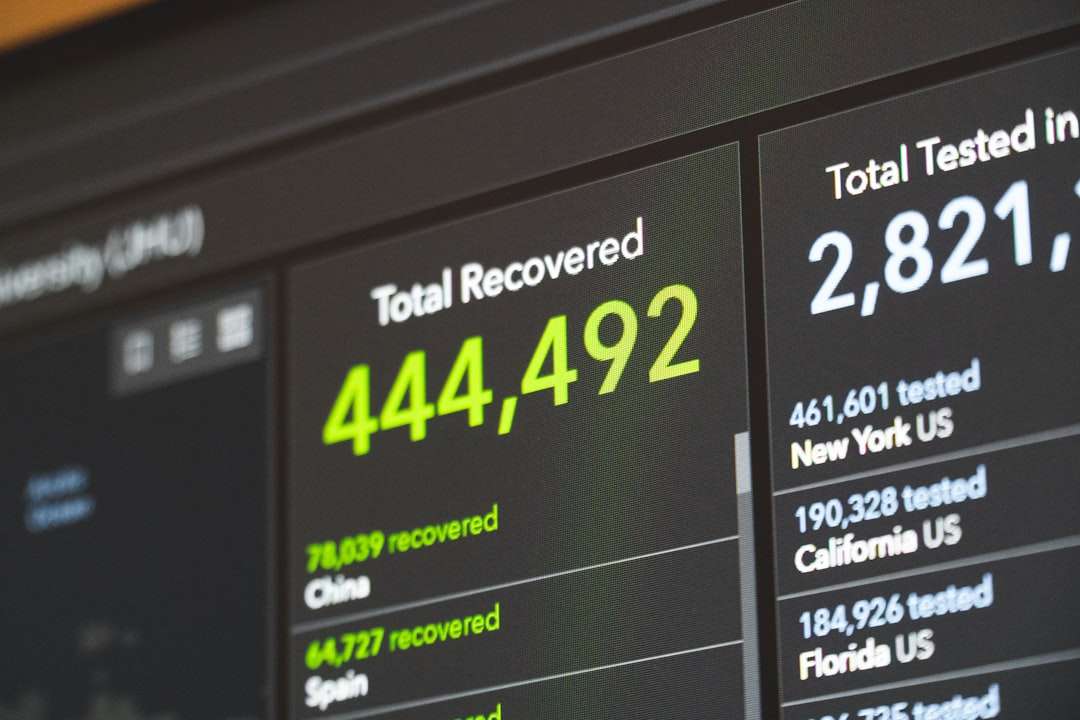
- Reporting and analytics dashboards
By consolidating these functions into a single environment, CTMS platforms provide seamless oversight and actionable insights in real time.
How Platforms Like Medidata Streamline Research Operations
1. Centralized Trial Oversight
One of the most powerful advantages of systems like Medidata is centralized visibility. Study teams can monitor enrollment numbers, site performance, monitoring visit schedules, and key milestones from a single interface.
This enables:
- Early identification of underperforming sites
- Improved resource allocation
- Faster decision-making
- Reduced delays in enrollment
Real-time dashboards replace static reports, allowing sponsors and contract research organizations (CROs) to proactively manage risk rather than reacting to problems after they escalate.
2. Improved Regulatory Compliance
Compliance remains a cornerstone of clinical research. Regulatory bodies require complete traceability and documentation for every action taken during a study.
CTMS platforms support compliance by:
- Maintaining audit trails for all system activity
- Automating document version control
- Flagging missing or expired regulatory documents
- Supporting 21 CFR Part 11 requirements for electronic records
With built-in validation and security controls, these systems reduce the risk of non-compliance and streamline preparation for inspections.
3. Financial Transparency and Control
Clinical trials often involve multimillion-dollar budgets. Managing site payments, investigator grants, and milestone-based disbursements can be administratively intensive.
Platforms like Medidata provide integrated financial modules that:
- Track investigator payments automatically
- Reconcile budgets against enrollment and milestones
- Generate financial forecasts
- Reduce manual invoicing errors
This financial transparency improves sponsor confidence and strengthens relationships between sites and research organizations.
4. Enhanced Collaboration Across Stakeholders
Clinical trials bring together diverse stakeholders including sponsors, CROs, investigators, monitors, and regulatory authorities. Miscommunication can delay timelines and increase operational risk.

CTMS platforms encourage collaboration through:
- Standardized workflows
- Shared document repositories
- Role-based access controls
- Automated task notifications
By ensuring that each stakeholder has access to relevant, up-to-date information, these systems reduce misalignment and duplication of effort.
5. Data-Driven Decision Making
Modern CTMS solutions incorporate powerful analytics capabilities. Rather than manually compiling spreadsheets, teams can:
- Visualize enrollment trends
- Compare site productivity
- Assess monitoring frequency effectiveness
- Analyze cost per subject metrics
Advanced reporting tools enable leadership to identify patterns, mitigate risk, and optimize performance across portfolios of trials.
Key CTMS Platforms in the Market
The industry includes several prominent CTMS solutions. While Medidata is widely recognized, other platforms offer competitive and complementary capabilities.
| Platform | Strengths | Ideal For | Notable Features |
|---|---|---|---|
| Medidata CTMS | Strong integration with EDC and patient data systems | Global enterprise trials | Unified platform, advanced analytics, risk based monitoring |
| Oracle Siebel CTMS | Robust reporting and scalability | Large pharmaceutical companies | Enterprise CRM integration, strong financial tracking |
| Veeva Vault CTMS | Cloud native architecture | Sponsors and CROs seeking flexibility | Seamless document management, modern user interface |
| Clinical Conductor CTMS | Site focused capabilities | Independent research sites | Site budgeting, subject tracking, compliance tools |
Each platform serves distinct operational needs. Selection often depends on study complexity, geographic footprint, regulatory scope, and integration requirements.
Integration with Broader Clinical Ecosystems
A modern CTMS rarely operates in isolation. To maximize efficiency, it integrates with:
- Electronic Data Capture (EDC) systems
- Electronic Trial Master Files (eTMF)
- Interactive Response Technology (IRT)
- Safety and pharmacovigilance systems

For example, Medidata provides tightly integrated EDC capabilities that allow operational and clinical data to coexist within a unified environment. This reduces duplicate data entry and improves consistency between datasets.
API-based architectures are increasingly important, allowing sponsors to connect best-of-breed technologies into a cohesive ecosystem.
Benefits Across the Trial Lifecycle
Study Start-Up
- Faster site feasibility assessments
- Streamlined document collection
- Accelerated contract negotiations
Study Conduct
- Real-time enrollment visibility
- Automated monitoring visit tracking
- Centralized issue management
Study Close-Out
- Timely reconciliation of financial records
- Inspection-ready documentation
- Comprehensive reporting for stakeholders
This continuity ensures that no stage of the trial operates in a silo. Instead, information flows consistently from planning through final reporting.
Reducing Risk Through Standardization
One of the most underrated benefits of a CTMS is the standardization of processes. Organizations that operate globally often struggle with inconsistent site practices and documentation standards.
CTMS platforms enforce structured workflows and predefined templates. This ensures:
- Uniform data capture
- Consistent monitoring practices
- Reduced dependency on manual processes
- Improved audit preparedness
Standardization ultimately reduces risk and strengthens overall governance.
Considerations When Implementing a CTMS
Despite their advantages, CTMS platforms require careful implementation. Organizations should consider:
- System validation to meet regulatory standards
- User training programs for adoption
- Data migration planning from legacy systems
- Integration strategy with existing platforms
A phased rollout, combined with strong change management practices, increases the likelihood of successful adoption.
The Future of Clinical Trial Management Systems
Emerging technologies are poised to further transform CTMS capabilities. Artificial intelligence, predictive analytics, and automation are being integrated to forecast enrollment challenges and optimize monitoring strategies.
Decentralized and hybrid trial models also require enhanced digital coordination. As remote monitoring and telemedicine become more common, CTMS platforms must adapt to manage decentralized data sources securely.
Cloud-based architectures will continue to expand scalability and global accessibility, while cybersecurity standards will grow increasingly rigorous.
Conclusion
Clinical Trial Management Systems like Medidata have become foundational tools in modern research operations. They bring order to complex processes, enhance regulatory compliance, improve financial oversight, and provide actionable insights across the trial lifecycle.
By centralizing data, standardizing workflows, and enabling collaborative engagement among stakeholders, CTMS platforms significantly reduce operational risk. For sponsors, CROs, and research sites aiming to accelerate development timelines while maintaining stringent quality standards, a robust CTMS is not merely an operational enhancement—it is a strategic necessity.
As clinical research continues to evolve, the organizations that embrace advanced management systems will be best positioned to deliver safe, effective therapies to patients with greater speed and confidence.