
Japan is one of the world’s most technologically advanced travel destinations, yet staying connected there can still be surprisingly complicated for visitors. Between language barriers, airport queues, device compatibility questions, and the need for reliable maps and translation tools, many travelers want a mobile data option that is fast to set up and easy to manage. This is one of the main reasons Airalo eSIM has become a popular choice for people visiting Japan, especially those who value convenience, transparency, and practical connectivity from the moment they arrive.
TLDR: Airalo eSIM is popular among Japan travelers because it offers a simple way to get mobile data without buying a physical SIM card or renting pocket WiFi. It is especially useful for navigation, translation, transport apps, and staying in touch while moving between cities. Travelers appreciate its upfront pricing, quick installation, and the ability to activate data soon after landing. For many visitors, it provides a practical balance of convenience, affordability, and reliability.
Why connectivity matters so much in Japan
For first-time visitors, Japan is exciting, efficient, and often very different from what they are used to at home. Trains run on precise schedules, restaurants may use digital menus, and many services rely on apps, QR codes, or online reservations. While public WiFi exists in airports, stations, hotels, and some cafes, it is not always consistent or available exactly when needed.
Mobile data can quickly become essential for everyday travel tasks such as:
- Using Google Maps or Apple Maps to navigate complex train stations and city streets.
- Checking train routes across Tokyo, Osaka, Kyoto, Hiroshima, Fukuoka, and regional areas.
- Translating signs, menus, and conversations in real time.
- Accessing booking confirmations for hotels, attractions, and transport.
- Contacting travel companions through messaging apps.
- Using cashless payment or ticketing apps where supported.
In this environment, a reliable data connection is not merely a convenience. It can influence how confidently and efficiently someone travels. Airalo appeals to travelers because it addresses this need before the trip even begins.
Simple setup without a physical SIM card
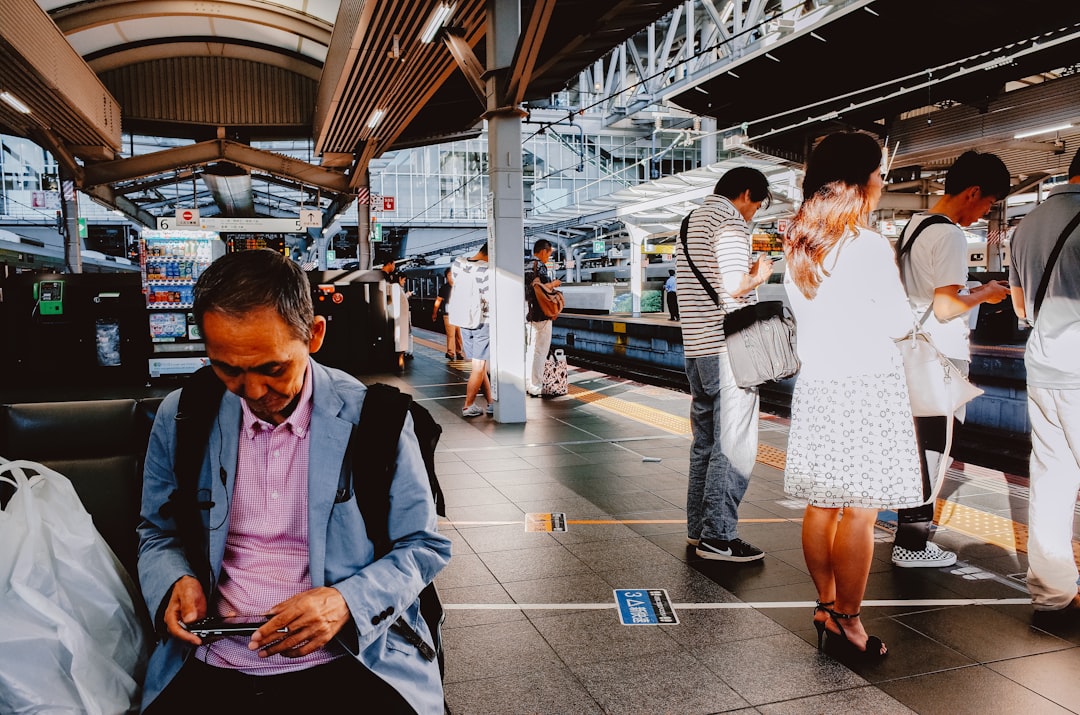
One of the strongest reasons Airalo is popular is that it uses eSIM technology. An eSIM is a digital SIM profile that can be installed on compatible phones without inserting a physical card. This means travelers do not need to visit a mobile shop, handle small SIM trays, or worry about losing their home SIM card.
For Japan, this is particularly attractive because many visitors arrive after long international flights and may not want to spend extra time at the airport comparing data plans. With Airalo, users can typically purchase a Japan data plan through the app or website, install the eSIM before departure, and activate it when they arrive. The process is usually guided step by step, which makes it accessible even for travelers who are not especially technical.
This simplicity is valuable for families, business travelers, solo visitors, and people with tight itineraries. Instead of treating connectivity as a task to solve after landing, they can prepare it in advance and focus on getting into the city, checking in, or meeting their schedule.
Transparent pricing and flexible data options
Another reason Airalo stands out is its straightforward pricing model. International roaming from a home mobile provider can be expensive, and the final cost is not always obvious until the bill arrives. Pocket WiFi rentals can also involve deposits, daily rental fees, return procedures, or penalties if the device is lost.
Airalo’s Japan eSIM plans are generally presented with clear data amounts, validity periods, and prices. This helps travelers estimate what they need and pay upfront. Someone visiting Japan for a short city break may choose a smaller data package, while a traveler crossing the country over two or three weeks may prefer a larger plan or the ability to top up.
This flexibility is important because travel habits vary widely. A person who mostly uses hotel WiFi and only needs maps outside may consume less data. Another traveler who uploads videos, uses cloud storage, or relies heavily on social media may need more. Airalo’s plan structure allows users to match the service to their expected behavior rather than committing to a one-size-fits-all option.
Convenience compared with pocket WiFi
Pocket WiFi has long been a common solution for tourists in Japan, and it can still be useful, especially for groups who want to share one connection. However, it also comes with limitations. Travelers must keep the device charged, carry it throughout the day, and return it before leaving the country. If the battery runs out, everyone relying on it loses connection.
Airalo eSIM avoids many of these issues because the data connection is built directly into the traveler’s phone. There is no extra device, no charger to manage, and no return counter to find at the airport. For travelers who prefer to move lightly, this is a significant advantage.
It also reduces practical friction during busy tourist days. In Japan, visitors may walk long distances, transfer between trains, enter museums, pass through temples, and explore narrow shopping streets. Having mobile data directly on the phone makes it easier to check directions or translate information instantly, without first checking whether a separate WiFi device is powered on and nearby.
Useful for multi city Japan itineraries
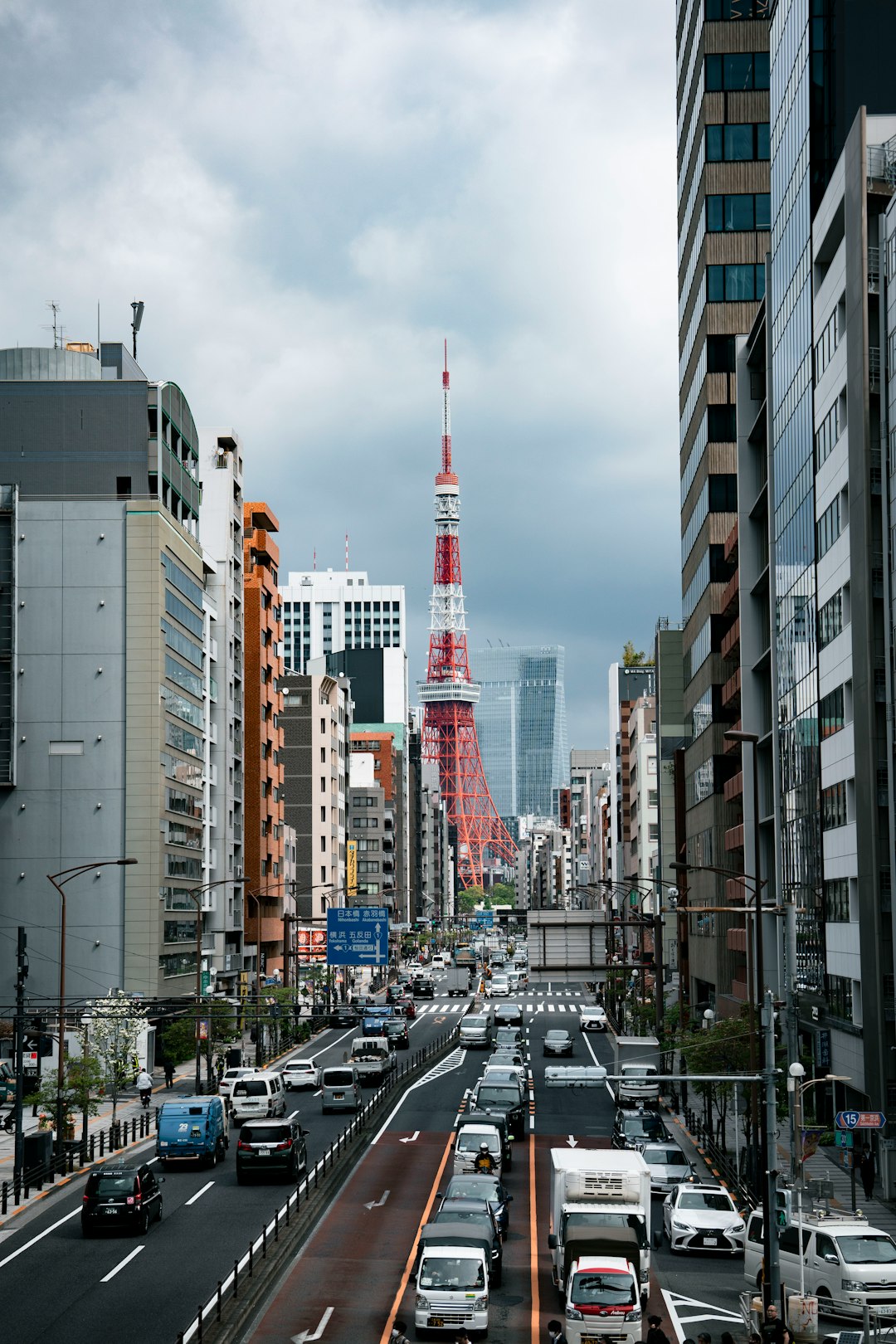
Many Japan trips involve more than one destination. A common itinerary may include Tokyo, Kyoto, Osaka, Nara, Hakone, Hiroshima, or Sapporo. Moving between cities is usually efficient, but it can also involve unfamiliar train lines, regional stations, platform changes, and seat reservations.
This is where continuous mobile data becomes especially valuable. Travelers can check Shinkansen times, confirm hotel addresses, research local bus routes, and contact accommodations if plans change. A service like Airalo can support this style of travel because the eSIM remains with the user as they move across the country, as long as there is coverage through the supported local network.
For travelers who enjoy spontaneous decisions, mobile data is even more important. They may decide to visit a small town, find a nearby restaurant, book a last-minute activity, or adjust plans because of weather. In these situations, dependable internet access makes travel smoother and less stressful.
Helpful for translation and cultural confidence
Japan is welcoming to tourists, and English signage has improved significantly in many major areas. Still, language barriers can appear in restaurants, local buses, rural stations, pharmacies, and small shops. A mobile data connection supports translation apps, camera translation, and quick searches for etiquette or instructions.
This can make a meaningful difference in the quality of a trip. For example, travelers may need to understand a ticket machine, read allergen information, identify the correct train car, or communicate with hotel staff. While offline translation tools exist, online services are often more responsive and accurate.
Connectivity can therefore provide confidence, not just convenience. It helps visitors engage more comfortably with local experiences, especially when traveling beyond the most tourist-heavy neighborhoods.
Reliable access for essential travel apps
Modern travel in Japan often depends on digital tools. Many visitors use apps for routes, restaurant reviews, attraction tickets, luggage forwarding information, weather forecasts, and messaging. Without mobile data, these tools become less useful outside hotels or cafes.
Airalo is popular because it supports the apps travelers already rely on. Common examples include:
- Navigation apps for walking routes, train transfers, and estimated travel times.
- Translation apps for menus, signs, and basic conversations.
- Messaging apps such as WhatsApp, LINE, iMessage, Telegram, or Messenger.
- Booking platforms for hotels, tours, restaurants, and transport.
- Weather and emergency information for typhoons, heat alerts, or schedule disruptions.
For travelers with limited time, uninterrupted access to these tools can prevent avoidable delays. Missing a train, going to the wrong exit of a large station, or being unable to retrieve a reservation can cause unnecessary stress. A working eSIM helps reduce those risks.
Good fit for independent travelers
Airalo is particularly appealing to independent travelers who plan and manage their own journeys. Japan is safe and well organized, which makes it ideal for self-guided travel, but independence also means being responsible for navigation, timing, and problem-solving.
With an eSIM, travelers are less dependent on hotel staff, printed maps, tourist information desks, or public WiFi. They can make decisions in real time and adapt quickly. This independence is useful in large cities like Tokyo, where stations can have dozens of exits, and in smaller towns where English-language assistance may be limited.
Business travelers also benefit from this independence. They may need to check emails, join messaging platforms, arrange transport, or coordinate meetings immediately after arrival. While Airalo’s travel eSIMs are usually data-only and not a replacement for full business mobile service, they can be very useful for professional communication through internet-based apps.
Important considerations before choosing Airalo
A trustworthy assessment should also acknowledge that Airalo is not the perfect choice for every traveler. Before buying any eSIM, visitors should check several practical points.
- Phone compatibility: The device must support eSIM technology and be unlocked for use with other networks.
- Data-only service: Many travel eSIMs do not include a local phone number or traditional voice calls.
- Coverage expectations: Service quality may vary depending on location, network conditions, buildings, and rural terrain.
- Data usage: Heavy streaming, video uploads, and hotspot sharing can consume data quickly.
- Installation timing: Users should read instructions carefully so the eSIM is installed and activated correctly.
These points do not undermine Airalo’s usefulness, but they do help travelers make informed decisions. For example, someone who needs a Japanese phone number for certain reservations may need an alternative solution. A large family wanting to connect many devices might compare eSIMs with pocket WiFi. However, for many individual travelers and couples, Airalo remains a practical and efficient option.

Why travelers often trust the Airalo model
Trust is a major factor when choosing travel connectivity. People want to know that the service will work when they arrive, that pricing is clear, and that setup instructions are understandable. Airalo has gained recognition partly because it focuses specifically on travel eSIMs across many destinations, including Japan.
The app-based model also helps users manage their plans in one place. They can view available packages, see validity periods, monitor remaining data, and, in many cases, add more data if needed. This level of control is reassuring compared with unclear roaming fees or unfamiliar local SIM card counters.
Travelers also appreciate that they can prepare before departure. Installing an eSIM while still at home, using stable WiFi and familiar surroundings, is often less stressful than trying to solve connectivity after a long flight. For Japan, where airports can be busy and travelers may need immediate access to train routes, this advance preparation is a major benefit.
Affordability without sacrificing convenience
Cost is not the only reason people choose Airalo, but it is an important one. Many travelers compare eSIMs with international roaming, local SIM cards, and WiFi rentals. Airalo often appears attractive because it combines reasonable pricing with a high level of convenience.
The value is not only in the data itself. It is also in the time saved, the reduced paperwork, and the lack of physical equipment. For a short trip, avoiding an airport counter can be worth a great deal. For a longer trip, being able to top up or choose a suitable data package can help control expenses.
In practical terms, Airalo is popular because it solves a common travel problem with minimal effort. It gives visitors the ability to land in Japan with a connectivity plan already in place, which supports a smoother and more confident start to the journey.
Final thoughts
Airalo eSIM has become a popular choice for Japan travelers because it aligns well with the realities of modern travel. Japan rewards careful planning, but it also requires flexibility, accurate information, and quick access to digital tools. A convenient eSIM helps travelers navigate stations, translate information, manage bookings, and stay connected without carrying extra devices or relying entirely on public WiFi.
It is still important to check phone compatibility, understand data limits, and choose a plan that matches the trip length and usage habits. However, for many visitors, Airalo offers a serious and practical solution: clear pricing, simple setup, and mobile data that supports the way people actually travel in Japan. That combination explains why it continues to be a trusted and popular option among tourists, independent travelers, and business visitors alike.