
You plug in your phone. It charges. Life is good. But wait. That USB port in the airport, hotel room, rental car, or café might do more than give power. It might also try to move data. That is where a USB-A data blocker comes in. Think of it as a tiny bodyguard for your charging cable.
TLDR: A USB-A data blocker lets power pass through but blocks data. It helps protect your phone, tablet, or other device when you charge from public USB ports. Use it at airports, hotels, cafés, rental cars, and anywhere you do not fully trust the USB port. It is small, cheap, simple, and very handy.
What Is a USB-A Data Blocker?
A USB-A data blocker is a small adapter. It sits between a USB-A port and your charging cable. USB-A is the classic rectangular USB plug. You have seen it on laptops, wall chargers, power banks, car chargers, TVs, and airport charging stations.
The data blocker has one main job. It lets your device charge. It stops data from moving.
That sounds simple. And it is. But it is also clever.
Most USB cables can do two things:
- Carry power, so your battery fills up.
- Carry data, so files, settings, or signals can move.
A data blocker cuts off the data part. It leaves the power part alone. So your phone gets electricity, but the USB port cannot “talk” to it.
People often call these little gadgets USB condoms. Funny name. Serious job.
Why Does Data Blocking Matter?
Charging feels harmless. You see a USB port. You need battery. You plug in. Done.
But USB was not made only for charging. It was made for connection. That’s also why understanding the difference between Type C and Micro USB matters, since the connector can affect how devices transfer data as well as charge. When you plug your phone into a computer, the computer may ask to access files. It may sync photos. It may run software. It may send commands.
Most of the time, this is useful. Your laptop can back up your phone. Your car can play music. Your desktop can move photos.
But a public USB port is not your laptop. You do not know what is behind the wall plate. You do not know who installed it. You do not know if someone has tampered with it.
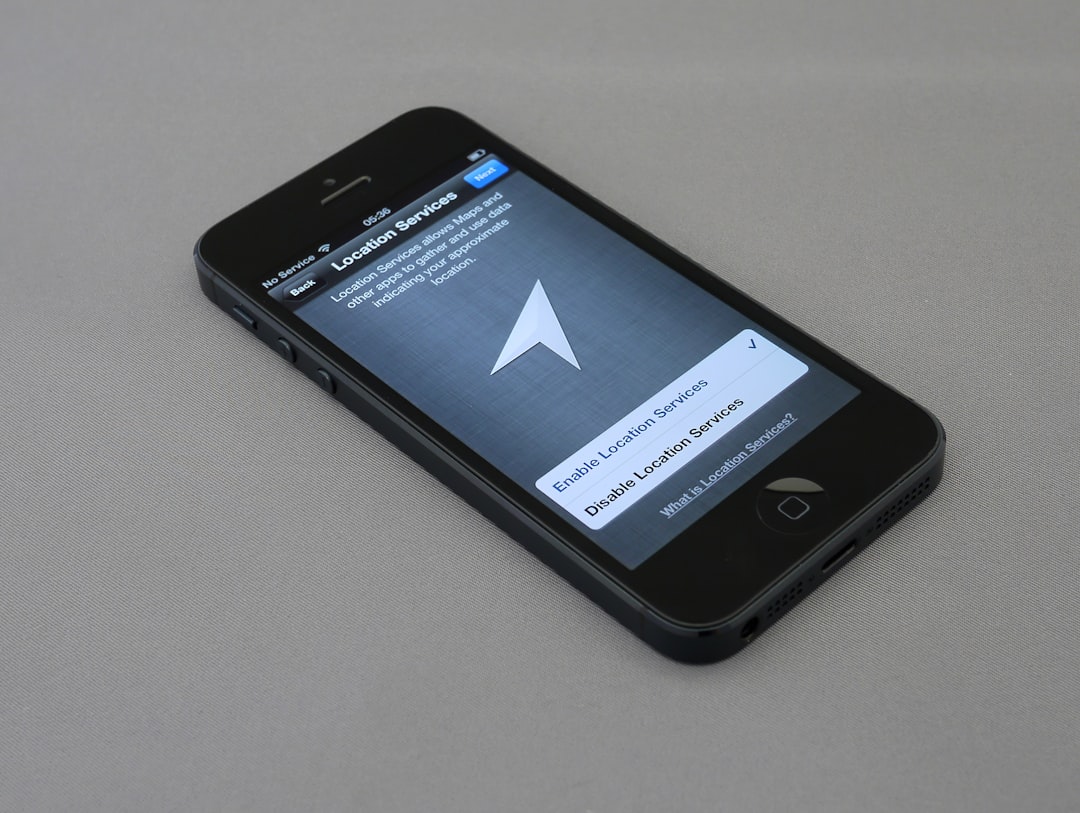
This kind of risk is often called juice jacking. That is a fun name for an unfun idea. It means a charging port could be used to steal data, install malware, or trick your device into trusting it.
Is every public USB port dangerous? No.
Should you panic? Also no.
But should you take a tiny, cheap adapter when traveling? Yes. That is a very reasonable move.
How Does a USB-A Data Blocker Work?
Inside a normal USB cable, there are different wires. Some wires carry power. Some carry data.
For basic USB-A, the key lines are:
- VBUS: carries power.
- GND: ground, which completes the power circuit.
- D+: one data line.
- D-: another data line.
A USB-A data blocker blocks or removes the D+ and D- data lines. It keeps VBUS and GND. So power flows. Data does not.
Imagine a bridge with four lanes. Two lanes are for delivery trucks full of electricity. Two lanes are for chatty messengers carrying secrets. A data blocker closes the messenger lanes. The delivery trucks still pass.
That is the core idea.
Some data blockers are very basic. They simply do not connect the data pins. Others may include circuits that help devices detect charging more smoothly. But the goal is the same. No data handshake.
What Is a USB Handshake?
A USB handshake is the little “hello” that happens when devices connect. One side says, “Hi, what are you?” The other says, “I am a phone.” Then they decide what they can do together.
That handshake can lead to file transfer. It can start media mode. It can trigger prompts. It can allow a computer to see details about your device.
With a data blocker in place, the handshake does not happen. Your device only sees power. It does not meet the mystery machine behind the port.
It is like taking a snack from a stranger without giving them your name, address, and photo album. Still not ideal in real life. But for USB charging, it is better.
When Should You Use One?
Use a USB-A data blocker any time you want to charge from a USB-A port you do not fully trust.
Good examples include:
- Airports, especially charging kiosks and seat ports.
- Hotels, including bedside lamps, desks, and alarm clocks with USB ports.
- Cafés and shared workspaces.
- Rental cars and rideshare vehicles.
- Conference centers and trade shows.
- Public libraries and waiting rooms.
- Airplanes with USB-A charging ports.
These places are not automatically unsafe. But they are shared. Many people use them. Some ports are old. Some are poorly maintained. Some may be modified. So a data blocker is a nice extra layer.
When Do You Not Need One?
You do not need a data blocker every time you charge.
You can skip it when:
- You use your own wall charger.
- You use your own power bank.
- You charge from your own computer and want data transfer.
- You plug into a trusted car system for music or navigation.
- You need to move photos, files, or backups.
Remember, a data blocker blocks data. That is the whole point. If you want data, do not use it.
If your phone is not connecting to a car screen, a laptop, or another device, check for the data blocker. Many people forget it is there. Then they wonder why nothing works. The tiny guard is doing its job too well.
Does It Work with Fast Charging?
This is where things get a little tricky. But do not worry. We will keep it simple.
Some fast charging systems use data lines to negotiate power. That means the charger and device talk first. They agree on how much power to send. If the data lines are blocked, that talk may not happen.
So with some data blockers, your phone may charge more slowly. It may fall back to basic charging.
Newer chargers may use other methods. Some data blockers are designed to support certain charging signals while still blocking real data. But not all are the same.
Here is the easy rule:
- If you care most about safety, use the data blocker.
- If you care most about speed, use your own trusted wall charger.
- If you want both, buy a quality data blocker that supports your charging needs.
A slower charge is not a disaster. A dead phone in a strange city is worse. But a tiny security problem is also not fun. Balance is the game.
Is a Data Blocker the Same as a Charge Only Cable?
They do a similar job. But they are not exactly the same.
A charge only cable has no data connection inside the cable. It only carries power. A data blocker is an adapter that you add to a normal cable.
Both can protect you from unwanted USB data connections.
The data blocker has one big advantage. It works with cables you already own. You can carry one little adapter and use it with many USB-A charging situations.
A charge only cable can be great too. But you must remember which cable it is. In a bag full of cables, that can become a small spaghetti mystery.
Can a USB-A Data Blocker Stop All Attacks?
No security tool stops everything. That is true for locks, passwords, helmets, and tiny USB gadgets.
A data blocker protects against data transfer through the USB data pins. That is its job. It reduces risk from unknown USB ports. It helps stop devices from trying to connect, sync, or send commands.
But it does not protect against everything.
For example:
- It will not protect you from a bad charging cable that you borrow from someone else.
- It will not protect your phone from phishing messages.
- It will not fix weak passwords.
- It will not stop malware you install yourself.
- It will not make a damaged charger safe.
Think of it as one tool in your travel safety kit. Not magic. Just useful.
Who Should Carry One?
Honestly, almost anyone who travels.
A USB-A data blocker is useful for:
- Business travelers who charge in airports and hotels.
- Students who use libraries, labs, and shared spaces.
- Tourists who run low on battery during long days.
- Parents who charge kids’ tablets wherever possible.
- Journalists, lawyers, and workers with sensitive data.
- Anyone who says, “I have 3 percent battery and no plan.”
It is a small item. It fits in a wallet, pouch, backpack, or cable organizer. It weighs almost nothing. It may save you from a very annoying problem.
How to Use a USB-A Data Blocker
This part is wonderfully easy.
- Find the public USB-A port.
- Plug the data blocker into that port.
- Plug your charging cable into the data blocker.
- Plug the cable into your phone or device.
- Check that charging starts.
That is it. No app. No setup. No password. No tiny instruction book written in confusing robot language.
If charging does not start, try flipping nothing. USB-A does not flip. Just unplug and replug. Try another port. Try another cable. Some ports are weak or broken.
How to Choose a Good One
Most data blockers look similar. But quality still matters.
Look for these features:
- USB-A support, if you plan to use classic public ports.
- Clear labeling, so you know it is a data blocker.
- Solid build, so it does not bend or fall apart.
- Charging support for your phone or tablet.
- Small size, so you actually carry it.
Some models include LED lights. Some are very tiny. Some come in bright colors. A bright color is not just cute. It helps you find it in your bag. Black gadgets love to hide at the bottom like tiny cave bats.
If you own newer devices, you may also want USB-C data blockers. But USB-A is still everywhere. Airports and hotels especially love USB-A. It refuses to retire.
Simple Safety Tips for Public Charging
A data blocker is great. But use it with smart habits.
- Use your own cable.
- Use your own wall charger when possible.
- Carry a power bank.
- Keep your phone updated.
- Do not tap “Trust” unless you trust the device.
- Avoid unknown cables left in public places.
- Lock your phone while charging.
Your phone may show a message like Trust This Computer? If you are plugged into a public port, the answer should be no. With a good data blocker, you may not see that prompt at all. That is a good sign.
Common Myths
Myth 1: Public USB ports are always hacked.
No. Most are probably just normal charging ports. But you cannot easily tell. That is the problem.
Myth 2: My phone is too new to worry.
New phones are safer than old ones. But no device is perfect. Extra protection is still smart.
Myth 3: A data blocker is only for tech experts.
Nope. If you can plug in a charger, you can use one.
Myth 4: It makes charging impossible.
No. It allows charging. It may slow fast charging in some cases, but power should still pass through.
The Bottom Line
A USB-A data blocker is a tiny gadget with a simple mission. It lets power in. It keeps data out. That makes it perfect for public USB charging.
You do not need to be scared of every USB port. You also do not need to trust every mystery slot in an airport chair. A data blocker gives you a neat middle path.
It is small. It is easy. It is cheap. It is a little boring until the day it becomes very useful. Toss one in your travel bag. Future you, standing at gate 27 with 4 percent battery, will be very thankful.