
Organizations often turn to digital learning when they need to train employees, customers, partners, or students at scale. However, effective online learning requires more than uploading slides to a platform. An eLearning expert helps design, build, launch, and improve digital training so that it is engaging, measurable, and aligned with real business or educational goals.
TLDR: eLearning experts create online learning experiences that combine instructional design, technology, multimedia, and performance strategy. They may support course design, learning platform setup, content development, analytics, accessibility, and learner engagement. Costs vary depending on project scope, complexity, and whether the expert is hired as a freelancer, consultant, or agency. An organization should consider hiring one when training quality, scale, compliance, or learner outcomes matter.
What Does an eLearning Expert Do?
An eLearning expert is a professional who specializes in planning and producing digital education. Their work may involve instructional design, course development, learning management system setup, video scripting, assessment design, training strategy, and evaluation. In many cases, they act as the bridge between subject matter experts, learners, technology teams, and business leaders.
Rather than simply making content look attractive, an eLearning expert focuses on whether learners can understand, retain, and apply the material. This means they may restructure dense documents, identify skill gaps, create interactive practice activities, and recommend the best delivery format for each learning goal.

Common Services Provided by eLearning Experts
The exact services vary by specialist, but many eLearning professionals provide support across several areas:
- Learning needs analysis: They identify what learners know, what they need to know, and what barriers may prevent success.
- Instructional design: They create learning objectives, course outlines, lesson flows, practice activities, and assessments.
- Content development: They transform raw materials into interactive lessons, videos, simulations, quizzes, job aids, and downloadable resources.
- LMS support: They help select, configure, or optimize a learning management system for enrollment, tracking, reporting, and certification.
- Multimedia production: They may write scripts, storyboard videos, coordinate voiceovers, design graphics, or develop animations.
- Accessibility and compliance: They ensure courses meet standards such as WCAG, Section 508, SCORM, xAPI, or industry-specific training requirements.
- Evaluation and analytics: They review learner data, completion rates, assessment scores, and feedback to improve training outcomes.
Key Skills eLearning Experts Bring
Strong eLearning experts combine creative, technical, and analytical skills. They understand how adults learn, how people interact with digital content, and how training connects to measurable results.
Instructional design knowledge is one of the most important skills. Experts often use frameworks such as ADDIE, SAM, or backward design to build structured learning experiences. They know how to write clear learning objectives, reduce cognitive overload, and create meaningful practice instead of passive information delivery.
Technical fluency is also essential. Many experts use tools such as authoring software, video editors, design platforms, LMS systems, webinar tools, and analytics dashboards. They do not always need to be programmers, but they should understand digital formats, integrations, mobile responsiveness, and user experience.
In addition, effective experts must have communication and project management skills. They often work with busy stakeholders and subject matter experts who may not know how to organize content for online delivery. The expert must ask good questions, manage deadlines, simplify complex information, and keep the project moving.

How eLearning Experts Improve Training Quality
One major advantage of hiring an eLearning expert is that training becomes more intentional. Instead of presenting every piece of available information, the expert helps decide what learners truly need in order to perform a task or change behavior.
For example, a compliance course may need concise explanations, scenario-based questions, and proof of completion. A software training program may require screen recordings, simulations, and practice exercises. A leadership development course may benefit from reflection prompts, discussion activities, coaching guides, and spaced reinforcement.
Good experts also support learner engagement. They may use storytelling, branching scenarios, knowledge checks, microlearning formats, gamified elements, or realistic case studies. The goal is not to add interaction for its own sake, but to make learning active and relevant.
How Much Do eLearning Experts Cost?
Costs vary widely because eLearning projects differ in size and complexity. A simple consultation or course review may cost far less than a complete custom learning program with video, animation, LMS setup, and analytics.
- Freelance hourly rates: Many independent eLearning specialists charge approximately $50 to $150 per hour, depending on experience, location, and technical skill.
- Project-based pricing: A short course or module may range from $2,000 to $10,000, while more complex programs can cost significantly more.
- Agency services: Full-service agencies may charge $15,000 to $100,000+ for large-scale training initiatives involving strategy, design, media production, and implementation.
- LMS consulting: Platform selection, setup, migration, or optimization may be billed hourly or as a fixed project, often depending on the number of users and integrations.
Several factors influence cost, including the amount of source content, the number of modules, accessibility requirements, localization needs, multimedia complexity, and review cycles. A highly interactive simulation or scenario-based course usually costs more than a slide-based informational module.
When Should an Organization Hire an eLearning Expert?
An organization should consider hiring an eLearning expert when training must achieve more than basic information sharing. This is especially true when the audience is large, the topic is complex, the stakes are high, or the internal team lacks learning design experience.
Common situations include onboarding new employees, launching a product training program, converting classroom training into online learning, improving compliance training, supporting customer education, or reducing repetitive instructor-led sessions. An expert may also be valuable when existing courses have low completion rates, poor feedback, or weak performance impact.
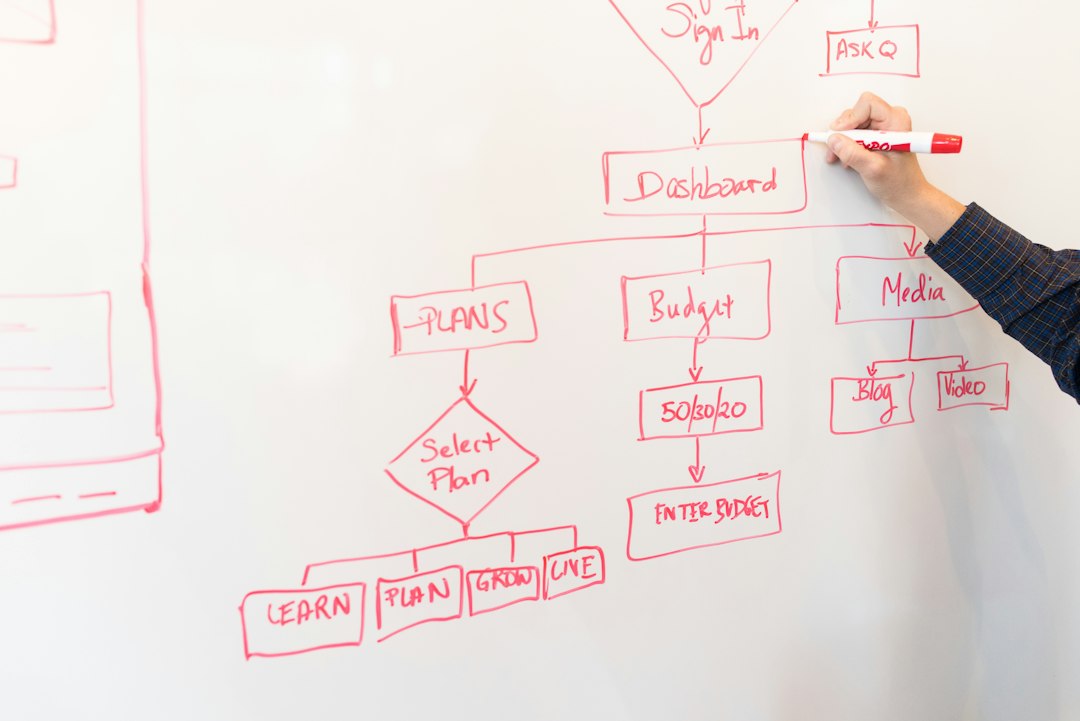
Hiring an expert early can prevent costly rework. If a course is built without clear objectives, poor navigation, or weak assessments, the organization may later need to redesign it completely. Involving an expert at the planning stage often leads to a better learner experience and more reliable results.
Freelancer, Consultant, or Agency?
The best hiring model depends on the project. A freelancer may be ideal for a defined task, such as building a course in an authoring tool or reviewing learning materials. A consultant may be better for strategy, needs analysis, LMS recommendations, or training evaluation. An agency may be best for large projects requiring instructional designers, graphic designers, developers, video producers, and project managers.
Before hiring, the organization should review portfolios, ask about process, confirm tool experience, and clarify deliverables. It is also wise to ask how the expert measures success. A strong answer should go beyond completion rates and include learner performance, behavior change, operational outcomes, or business metrics.
FAQ
What is the difference between an eLearning expert and an instructional designer?
An instructional designer focuses mainly on learning structure, objectives, activities, and assessments. An eLearning expert may include instructional design skills but can also provide technical development, LMS support, multimedia production, accessibility guidance, and analytics.
Can an eLearning expert help convert PowerPoint slides into a course?
Yes. However, a skilled expert will usually do more than convert slides. They may reorganize content, add interactions, create assessments, improve visuals, and make the course more engaging and effective.
Does every organization need an eLearning expert?
Not always. Very simple internal training may be handled by an in-house team. However, an expert becomes valuable when training must be scalable, polished, compliant, measurable, or tied to performance goals.
How long does it take to create an online course?
A basic module may take a few weeks, while a complex custom program may take several months. Timeline depends on content readiness, stakeholder availability, media needs, technical requirements, and review cycles.
What should an organization prepare before hiring one?
It should prepare clear goals, audience details, existing materials, brand guidelines, deadline expectations, technology requirements, and approval processes. The clearer the starting point, the smoother the project will be.