
Strong communities do not happen by accident. In teams and organizations, they are built through repeated moments of trust, shared purpose, open communication, and meaningful participation. When leaders and employees invest in community building, the workplace becomes more than a collection of tasks; it becomes a network of people who understand, support, and motivate one another.
TLDR: Community building activities help teams strengthen trust, improve collaboration, and create a healthier organizational culture. The best activities are intentional, inclusive, and connected to real workplace needs. From storytelling sessions to volunteer projects, organizations can use simple experiences to help people feel seen, valued, and connected.
Why Community Building Matters
A strong internal community can improve morale, reduce isolation, and encourage better teamwork across departments. It also helps individuals feel that their contributions matter beyond daily responsibilities. When employees feel connected to colleagues and organizational values, they are more likely to communicate honestly, solve problems together, and stay engaged during change.
Effective community building should not feel forced or overly formal. The most successful activities create space for conversation, shared experiences, and mutual respect. Below are eight community building activities that teams and organizations can adapt for in-person, remote, or hybrid environments.
1. Team Storytelling Sessions
Storytelling helps people move beyond job titles and understand the experiences that shaped their colleagues. In a team storytelling session, participants may share a meaningful career lesson, a personal success, a challenge they overcame, or a moment that changed how they work.
Organizations can structure these sessions around prompts such as “a mistake that taught an important lesson” or “a mentor who made a difference.” The goal is not to pressure anyone to overshare, but to create a safe environment where people can connect through authentic experiences.

2. Cross Department Collaboration Challenges
Silos often weaken organizational community. Cross department challenges encourage employees from different functions to collaborate on a shared problem or creative task. For example, marketing, operations, finance, and customer support teams may be grouped together to design a better onboarding process or brainstorm improvements to internal communication.
These activities help employees understand how other departments think and work. They also make it easier for people to build relationships outside their immediate circles, which can lead to smoother collaboration in future projects.
3. Volunteer and Social Impact Projects
Community building becomes especially powerful when teams work together for a cause beyond the organization. Volunteer projects may include food bank support, neighborhood cleanups, mentorship programs, fundraising events, or skills-based volunteering for nonprofit groups.
These experiences create shared pride and reinforce positive organizational values. They also give employees a chance to interact in a less hierarchical setting, where teamwork is based on contribution rather than job title.
- Best for: strengthening purpose and shared values
- Works well when: employees can vote on causes they care about
- Tip: offer several options so participation feels inclusive and accessible
4. Peer Recognition Circles
Recognition is one of the simplest ways to build community. In peer recognition circles, team members take time to acknowledge the efforts, kindness, creativity, or support they have noticed in colleagues. This can be done during a monthly meeting, through a digital recognition board, or as part of a team gathering.
The most meaningful recognition is specific. Instead of saying, “Good job,” a participant might say, “Her clear communication helped the team meet a difficult deadline without confusion.” Specific recognition strengthens trust because it shows that people are paying attention to one another.
5. Learning Exchanges and Skill Shares
Many organizations have hidden knowledge spread across their teams. Learning exchanges allow employees to teach short sessions on topics they know well. These may include public speaking, spreadsheet shortcuts, project planning, negotiation, design thinking, wellness practices, or industry trends.
Skill shares promote community by positioning employees as both learners and contributors. They also create a culture where knowledge is not guarded but shared openly. For remote teams, these sessions can be recorded and added to an internal resource library.

6. Community Lunches or Virtual Coffee Chats
Informal conversation remains an essential part of relationship building. Community lunches, breakfast gatherings, or virtual coffee chats help employees connect without the pressure of a formal agenda. These activities may be organized randomly so people meet colleagues they do not usually work with.
To make these gatherings more inclusive, organizations should consider different time zones, dietary needs, caregiving responsibilities, and personal comfort levels. A short optional prompt can help conversation begin naturally, such as “What is one thing that made work easier this month?”
7. Team Rituals and Celebration Moments
Rituals give teams a sense of continuity and belonging. These may include weekly wins, monthly milestone celebrations, project closing reflections, welcome rituals for new employees, or end-of-quarter appreciation meetings. Over time, small rituals become part of the team’s identity.
Celebrations should include both visible achievements and quieter contributions. For example, an organization might celebrate a successful product launch while also recognizing the people who handled documentation, testing, scheduling, or customer questions behind the scenes.
8. Open Space Feedback Forums
A healthy community allows people to speak, listen, and influence improvement. Open space feedback forums give employees a structured opportunity to raise ideas, concerns, and suggestions. Unlike traditional top-down meetings, these forums encourage participation from all levels of the organization.
For best results, leaders should respond transparently to feedback and explain what will happen next. If employees share ideas but never see action, trust may weaken. However, when organizations listen and follow through, feedback forums become a strong signal that every voice matters.
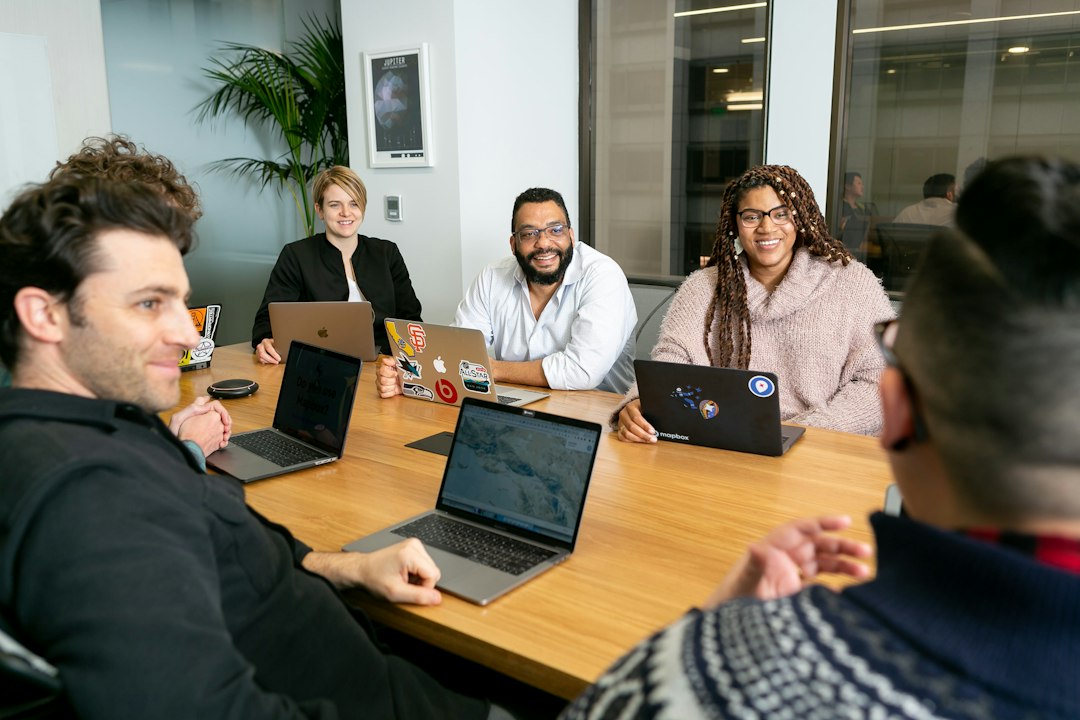
How to Choose the Right Activities
Not every activity will fit every organization. A small startup may prefer informal coffee chats and peer recognition, while a larger company may need structured cross department programs and feedback forums. The right choice depends on culture, team size, available time, and employee preferences.
Organizations should also avoid treating community building as a one-time event. A single retreat or workshop can be useful, but lasting community is created through regular habits. Leaders should ask what employees need, test different formats, and measure whether activities are improving connection, communication, and trust.
Best Practices for Successful Community Building
- Make participation respectful: activities should invite involvement without making employees uncomfortable.
- Keep activities inclusive: consider remote workers, introverts, accessibility needs, and cultural differences.
- Connect activities to purpose: employees should understand why the activity matters.
- Encourage leadership participation: leaders should join as community members, not just observers.
- Follow up: insights, ideas, and commitments should lead to visible action.
Community building is most effective when it feels genuine. Teams do not need elaborate events to build strong bonds. They need consistent opportunities to listen, contribute, recognize one another, and work toward something meaningful together.
FAQ
What is a community building activity?
A community building activity is an intentional experience designed to help people form stronger relationships, improve trust, and feel more connected to a team or organization.
How often should organizations plan community building activities?
Many organizations benefit from small monthly activities and larger quarterly events. Consistency is more important than complexity.
Can community building work for remote teams?
Yes. Remote teams can use virtual coffee chats, online recognition boards, digital skill shares, storytelling sessions, and remote feedback forums to build connection.
What makes a community building activity successful?
Successful activities are inclusive, purposeful, well-facilitated, and followed by meaningful action when feedback or ideas are shared.
Should participation be mandatory?
Participation should generally be encouraged rather than forced. Employees are more likely to engage when activities feel respectful, relevant, and psychologically safe.