
Trade shows are back in a big way. But the old giant booth, with heavy walls and a tired carpet, is losing its charm. In 2026, brands want booths that fold, roll, pop up, and travel light. The collapsible booth design market is growing because companies want smart displays that look great, cost less to ship, and can be used again and again.
TLDR: Collapsible booths in 2026 are lighter, greener, and much easier to set up. Brands are choosing modular frames, recycled materials, LED features, and flexible layouts. The best trade show ideas focus on quick assembly, strong visuals, and fun visitor experiences. Think less “heavy box” and more “portable brand playground.”
Why Collapsible Booths Are Booming
Exhibiting at a trade show can be expensive. Shipping costs are high. Labor costs are high. Storage costs are also high. So brands are asking a simple question: Can our booth do more with less?
That is where collapsible booth design shines. These booths are built to pack down small. They can fit into compact cases. Some can even be carried by one or two people. This makes them great for startups, growing brands, and companies that attend many events each year.
In 2026, the market is being shaped by three big needs:
- Speed: Fast setup and fast pack down.
- Flexibility: One booth should work in many spaces.
- Sustainability: Less waste and better materials.
This trend is not just about saving money. It is also about looking sharp. A collapsible booth can still feel premium. It can still stop people in the aisle. It just does not need a truck full of parts to do it.
Trend 1: Modular Booths That Snap Together
Modular design is one of the hottest booth trends for 2026. It works like building blocks. You can add parts, remove parts, and change the shape. Need a 10×10 booth this week? No problem. Need a larger corner booth next month? Add more panels.
This is great for brands that attend different types of shows. A tech company might need demo counters at one event. At the next event, they may need meeting pods. With modular collapsible systems, the same core booth can support both.
Popular modular parts include:
- Foldable wall frames
- Magnetic graphic panels
- Stackable counters
- Tool free shelving
- Clip on lights
- Fabric backdrops
The best part is the setup. Many systems now use locks, snaps, magnets, and tension fabric. No toolbox. No drama. No missing screw panic five minutes before the doors open.
Trend 2: Lighter Materials With a Premium Feel
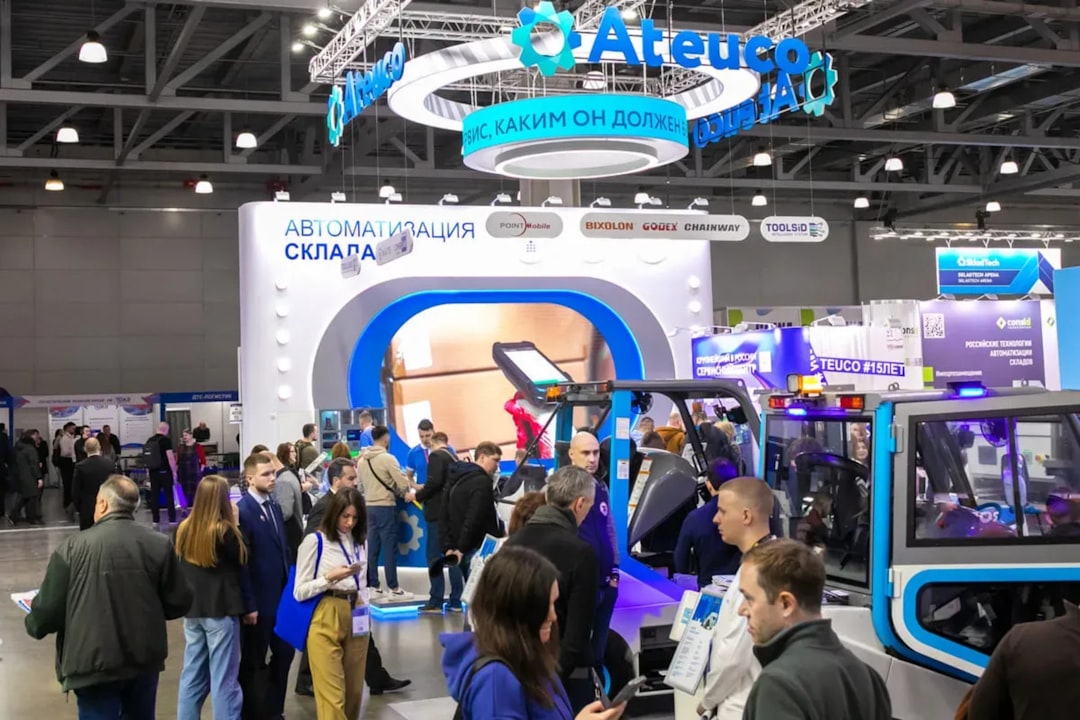
Heavy booths are becoming less popular. In 2026, exhibitors want materials that are light but strong. They also want surfaces that look modern. Nobody wants a booth that screams “cheap banner in a hallway.”
Some of the most common materials include:
- Aluminum: Light, strong, and easy to reuse.
- Tension fabric: Smooth, bright, and easy to pack.
- Recycled plastic panels: Strong and more eco friendly.
- Bamboo composites: Warm, stylish, and renewable.
- Honeycomb cardboard: Very light and useful for short events.
Fabric is having a big moment. It stretches over frames and creates a clean look. It can be printed in bold colors. It can also be washed, swapped, and folded. That makes it perfect for teams that update campaigns often.
Aluminum is also a favorite. It gives structure without adding too much weight. Many premium collapsible booth frames use aluminum because it works well for repeat events.
Trend 3: Sustainable Booth Design
Green design is no longer a nice extra. It is becoming a major buying factor. Companies want to show that they care about waste, carbon impact, and reuse. Trade show booths can create a lot of trash. So a reusable collapsible booth is a smart move.
In 2026, more brands are asking suppliers about:
- Recycled content
- Reusable frames
- Low waste graphics
- Plastic free packaging
- Local production
- Repairable parts
A sustainable booth does not need to look boring. In fact, natural textures are trending. Think bamboo counters. Felt wall tiles. Soft lighting. Plants. Warm colors. It feels fresh and human.
There is also a smart business reason for this. If a booth lasts for many events, the cost per show goes down. Less waste can also mean lower shipping and storage needs.
Trend 4: Built In Tech, But Not Too Much
Technology is everywhere at trade shows. But in 2026, the best booths use tech with purpose. The goal is not to stuff every wall with screens. The goal is to help visitors understand the brand fast.
Smart collapsible booth features include:
- LED light strips built into frames
- Tablet stands for demos and signups
- QR code stations for quick downloads
- Small screens for product videos
- Rechargeable lighting for simple power needs
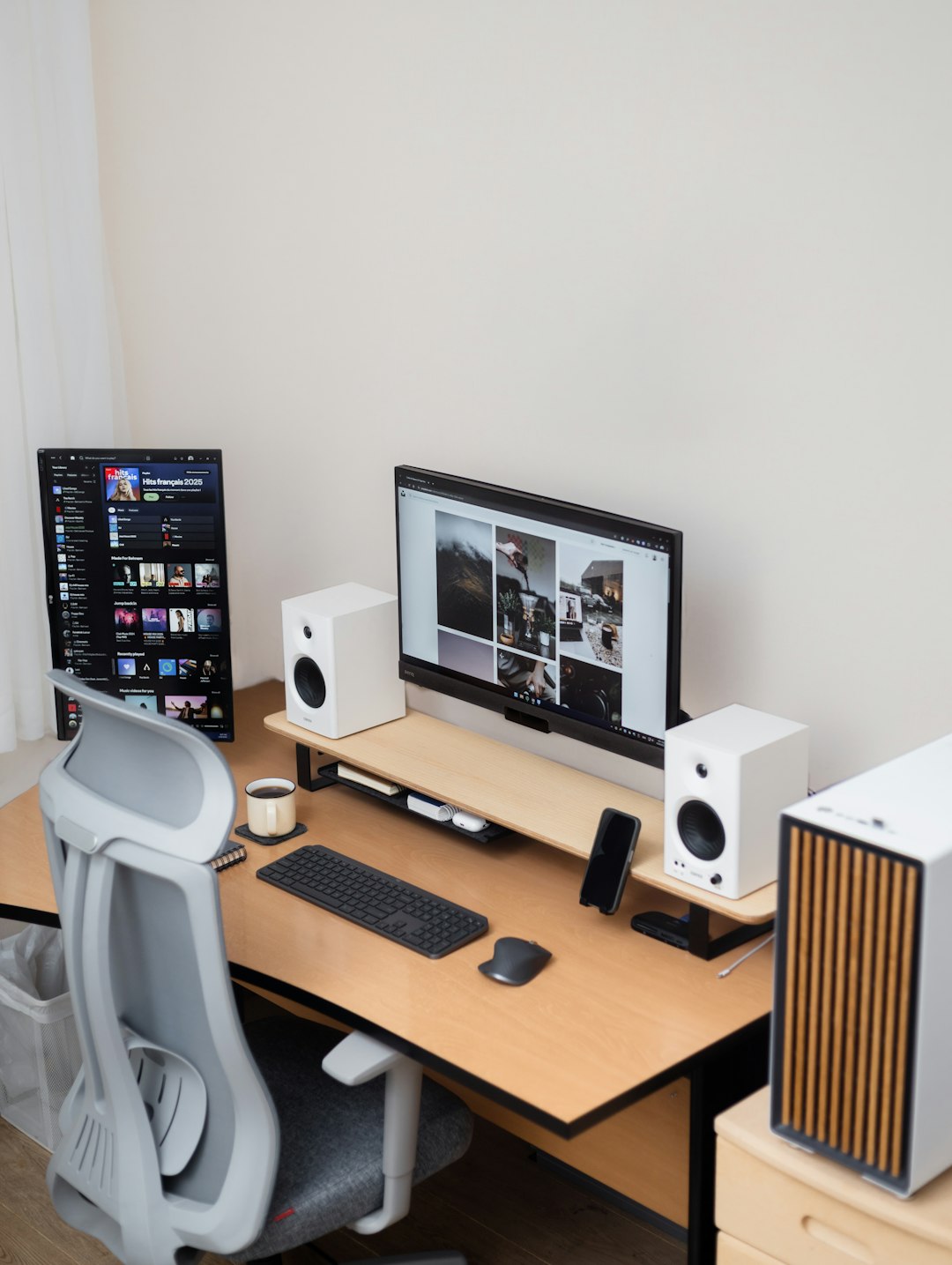
Lighting is especially important. A small booth can feel much bigger with the right glow. Backlit fabric walls are popular because they make graphics pop. They also photograph well. That matters, because visitors love to share cool booths on social media.
Trend 5: Booths Made for Social Sharing
A trade show booth is no longer just a sales space. It is also a content space. People take photos. They film short clips. They post stories. So booth designers are thinking like stage designers.
In 2026, expect more booths with:
- Photo walls
- Mini product stages
- Bold brand props
- Ceiling hanging signs
- Interactive sample tables
- Fun seating spots
The trick is to make the booth easy to enter. Do not block the front with a big table. Create an open path. Let people step in, touch things, and ask questions. A collapsible booth can do this well because parts can be moved around.
A simple photo moment can work wonders. It could be a bright wall with a phrase. It could be a product display with lighting. It could be a playful prop linked to your brand. Make it easy for people to snap, smile, and tag.
Trade Show Ideas for Collapsible Booths
Need fresh ideas? Here are simple booth concepts that fit the 2026 trend:
- The pop up studio: Use a fabric backdrop, soft lights, and a tiny recording corner for live interviews or demos.
- The sample bar: Set up a collapsible counter where visitors can try products quickly.
- The problem wall: Let visitors pick a common problem from a wall of cards. Then show your solution.
- The five minute demo zone: Create a small standing area where staff give fast product walkthroughs.
- The recharge lounge: Add foldable stools, charging points, and useful content on a screen.
- The prize tower: Use stackable display cubes for giveaways, games, and lead capture.
Keep it simple. People walking the aisles are tired. They are carrying bags. They have seen many booths already. Clear messages win. Big visuals win. Friendly staff win.
What Buyers Want in 2026
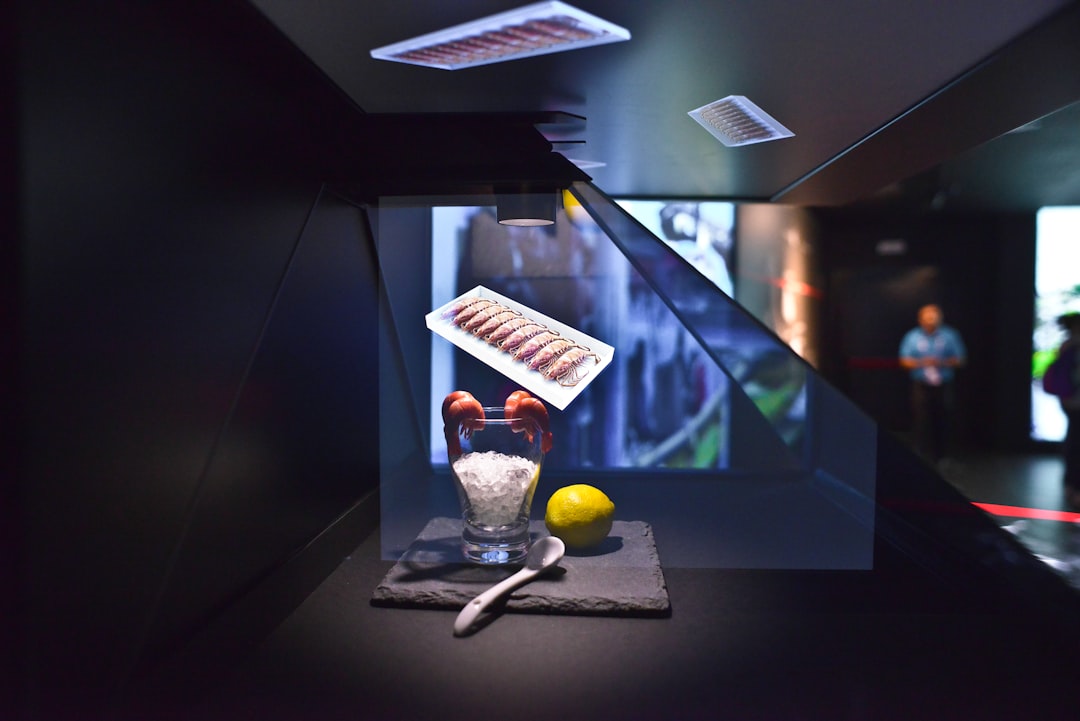
Buyers want booths that are easy to own. That means simple packing. Clear labels. Durable cases. Replaceable graphics. Fast repairs. They also want a booth that can grow with the brand.
Before buying a collapsible booth, companies should ask:
- How long does setup take?
- Can one person build it?
- How many shipping cases are needed?
- Can graphics be changed later?
- Is the frame reusable?
- Can it fit different booth sizes?
- Is it easy to store after the event?
The best booth is not always the fanciest one. It is the one your team can use without stress. If setup feels like solving a puzzle in the dark, keep shopping.
The Bottom Line
The collapsible booth design market in 2026 is full of energy. Designs are lighter. Materials are smarter. Booths are easier to move, build, and reuse. That is good news for brands of all sizes.
The future booth is not a bulky structure. It is a flexible kit. It can be a demo space today, a photo spot tomorrow, and a meeting zone next month. It saves time. It saves money. It also gives brands more freedom to be creative.
So if you are planning trade shows for 2026, think portable, modular, and memorable. Add strong graphics. Use better lighting. Choose materials that last. Then make the experience fun. Because the best booth is not just the one people see. It is the one they remember.