
B2B SaaS SEO in 2026 is no longer just a traffic game. Search engines, AI answer engines, and buyer expectations now reward brands that demonstrate expertise, authority, product clarity, and measurable value. For SaaS companies with long sales cycles and complex buying committees, organic growth depends on attracting the right accounts, not simply generating more visits.
TLDR: B2B SaaS companies can generate more organic leads in 2026 by aligning SEO with buyer intent, product use cases, and revenue goals. The strongest strategies combine topic authority, comparison content, technical excellence, and conversion-focused pages. Teams that optimize for both traditional search and AI-driven discovery will be better positioned to win high-quality leads. SEO should be treated as a full-funnel growth channel, not a standalone content task.
Why B2B SaaS SEO Is Different in 2026
In 2026, the B2B SaaS search landscape is more competitive and more fragmented. Prospects may discover software through Google, AI search assistants, review platforms, Reddit threads, LinkedIn posts, newsletters, or industry communities. As a result, SaaS SEO must support visibility across the entire research journey.
Unlike ecommerce or local SEO, B2B SaaS SEO must persuade multiple stakeholders. A product may need to appeal to users, department heads, finance teams, IT leaders, and executives. This means content must address technical questions, business outcomes, implementation concerns, pricing uncertainty, integrations, security, and return on investment.
1. Build SEO Around Revenue Intent
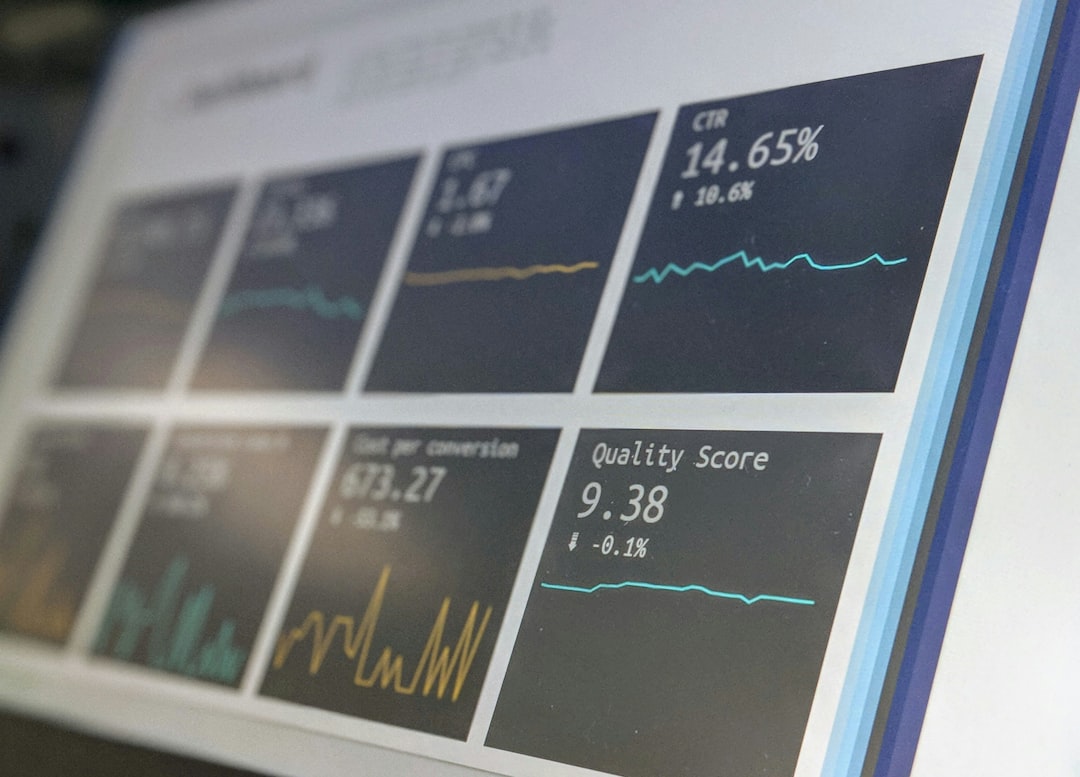
The most effective SaaS SEO strategies begin with intent mapping. Instead of targeting keywords only because they have high search volume, growth teams should prioritize terms that indicate buying intent and product fit.
Useful keyword categories include:
- Problem-aware searches: terms such as “reduce customer churn” or “automate sales reporting.”
- Solution-aware searches: phrases such as “customer success software” or “revenue forecasting tools.”
- Comparison searches: queries like “platform A vs platform B” or “best CRM for SaaS startups.”
- Implementation searches: terms related to onboarding, integrations, migration, security, and compliance.
By connecting keywords to funnel stages, SaaS companies can create content that supports lead generation more directly. A high-volume informational article may build awareness, but a comparison page or integration landing page may convert at a much higher rate.
2. Create Product-Led Content That Shows the Software in Action
Generic blog posts are less effective than they once were. In 2026, SaaS buyers expect proof. They want to see how a platform solves a specific problem, what workflows it improves, and why it is different from alternatives.
Product-led SEO content places the software at the center of the answer without turning every article into a sales pitch. For example, an article about reducing onboarding time can explain the strategy, then show how automation, templates, alerts, and reporting features support that goal.
Strong product-led content may include:
- Step-by-step workflows
- Use case pages by industry or role
- Feature explainers connected to business outcomes
- Customer examples and mini case studies
- Screenshots, diagrams, and interactive demos
This approach helps search engines understand topical relevance while helping buyers understand practical value.
3. Win Bottom-of-Funnel Search Demand
Many SaaS teams overinvest in broad educational content and underinvest in pages that capture buyers close to conversion. Bottom-of-funnel SEO is especially important because B2B buyers often search for alternatives, reviews, pricing, and comparisons before speaking with sales.
High-value bottom-of-funnel assets include:
- Alternative pages that explain why a company may choose one solution over another.
- Comparison pages that fairly compare features, pricing models, support, integrations, and ideal users.
- Best software list pages built with genuine evaluation criteria.
- Pricing and ROI pages that reduce friction and clarify value.
- Integration pages targeting software ecosystems already used by the buyer.
These pages should be accurate, balanced, and helpful. Overly aggressive competitor pages can damage trust. The strongest SaaS brands position themselves with confidence while acknowledging where different products may fit different needs.
4. Optimize for AI Search and Answer Engines
AI-driven search experiences continue to influence how B2B buyers discover and evaluate software. To increase visibility in AI-generated answers, SaaS companies should create content that is clear, structured, and factually consistent across the web.
Helpful tactics include:
- Using concise definitions near the top of key pages
- Adding FAQ sections that answer specific buyer questions
- Publishing original data, benchmarks, and expert insights
- Maintaining consistent product descriptions across profiles and directories
- Using schema markup for software, reviews, FAQs, articles, and organizations
AI systems often favor sources that demonstrate expertise and clarity. Content should therefore include unique perspectives, not just rewritten explanations of common concepts.
5. Strengthen Topical Authority with Content Clusters
Topical authority remains a major advantage in B2B SaaS SEO. Rather than publishing disconnected blog posts, teams should build content clusters around core business themes. A project management SaaS company, for example, might build clusters around resource planning, workflow automation, agile reporting, and cross-functional collaboration.
Each cluster should include a main pillar page supported by related articles, templates, glossary pages, comparison content, and use case pages. Internal linking should guide readers from education to evaluation and then to conversion-focused pages.
This structure helps search engines understand the company’s expertise. It also helps potential buyers move naturally through the research process.
6. Improve Technical SEO and Site Performance
Even the best content may underperform if a SaaS website is slow, difficult to crawl, or poorly structured. Technical SEO is especially important for companies with large resource centers, product documentation, localization, or programmatic landing pages.
Key priorities include:
- Fast page speed across desktop and mobile
- Clean site architecture with logical navigation
- Indexation control to prevent thin or duplicate pages from diluting performance
- Structured data to clarify page meaning
- Accessible design that improves usability for all visitors
Technical SEO should not be treated as a one-time audit. As SaaS websites expand, regular monitoring prevents crawl waste, broken links, redirect issues, and performance declines.
7. Convert Organic Traffic into Qualified Leads
Organic traffic only matters if it supports pipeline. SaaS companies should optimize conversion paths for different levels of buyer readiness. Not every visitor is ready for a demo, so pages may need multiple calls to action.
Effective conversion options include:
- Book a demo
- Start a free trial
- Download a buyer guide
- Use an ROI calculator
- Watch a product walkthrough
- Subscribe to expert insights
Calls to action should match page intent. A pricing page can invite a demo request, while an educational article may perform better with a checklist, template, or webinar registration.
8. Measure SEO by Pipeline, Not Just Rankings
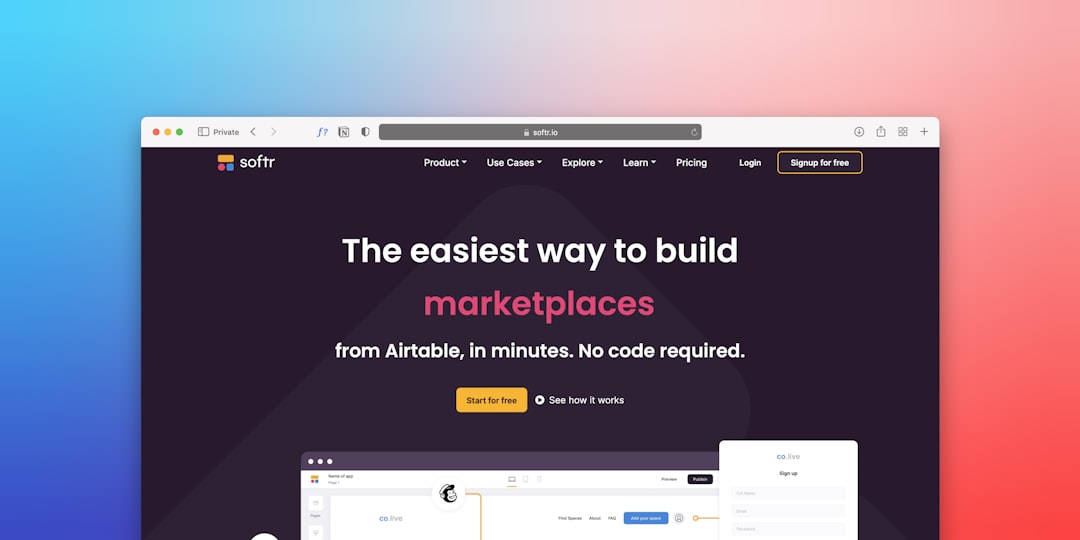
In 2026, successful SaaS SEO teams measure outcomes beyond clicks and keyword positions. Rankings still matter, but they do not always indicate commercial impact. Better metrics include organic demo requests, trial signups, assisted conversions, qualified pipeline, content-influenced revenue, and expansion opportunities.
Attribution can be imperfect in long B2B buying cycles, but directional data is still valuable. When marketing, sales, and customer success teams share insights, SEO content can become more relevant to real buyer objections and decision criteria.
FAQ
What is B2B SaaS SEO?
B2B SaaS SEO is the process of improving a software company’s organic visibility so it can attract, educate, and convert business buyers through search engines and AI-driven discovery platforms.
How long does B2B SaaS SEO take to generate leads?
Most SaaS companies begin seeing meaningful results within 6 to 12 months, depending on competition, domain authority, content quality, technical health, and conversion optimization.
Which pages generate the most SaaS leads?
Comparison pages, alternative pages, integration pages, pricing pages, use case pages, and high-intent solution pages often generate the most qualified leads.
Is blogging still useful for SaaS SEO in 2026?
Yes, but blogging must be strategic. Articles should support topic clusters, answer real buyer questions, demonstrate expertise, and guide readers toward relevant product pages or conversion actions.
How can SaaS companies optimize for AI search?
They can use structured content, clear answers, original data, expert commentary, schema markup, and consistent brand information across trusted online sources.
What is the biggest mistake in B2B SaaS SEO?
The biggest mistake is chasing traffic without considering buyer intent. A smaller audience of qualified prospects is usually more valuable than a large audience with little potential to convert.