
Business growth rarely comes from ambition alone; it depends on clear priorities, measurable goals, disciplined execution, and fast course correction. Strategic planning software helps organizations connect vision, budgets, initiatives, teams, and performance data in one operating system for growth.
TLDR: Strategic planning platforms differ widely: some specialize in OKRs, others in portfolio management, dashboards, or enterprise execution. For example, a 300-person SaaS company might use Quantive Results to align quarterly OKRs and reduce misaligned projects by 25%, while a city agency might prefer Envisio for public-facing progress reporting. The best choice depends on company size, planning maturity, reporting needs, and whether leadership needs lightweight alignment or full enterprise governance.
What Strategic Planning Software Should Do
Effective strategic planning software should help leadership teams translate goals into action. At minimum, it should support goal setting, ownership, timelines, dashboards, collaboration, and performance reviews. More advanced platforms add scenario planning, portfolio prioritization, financial alignment, risk tracking, and integrations with systems such as Slack, Microsoft Teams, Salesforce, Jira, Tableau, or Power BI.
For business growth, the most valuable platforms are not simply digital planning documents. They create a living strategy rhythm: goals are reviewed, initiatives are adjusted, blockers are visible, and teams understand how daily work supports long-term outcomes.
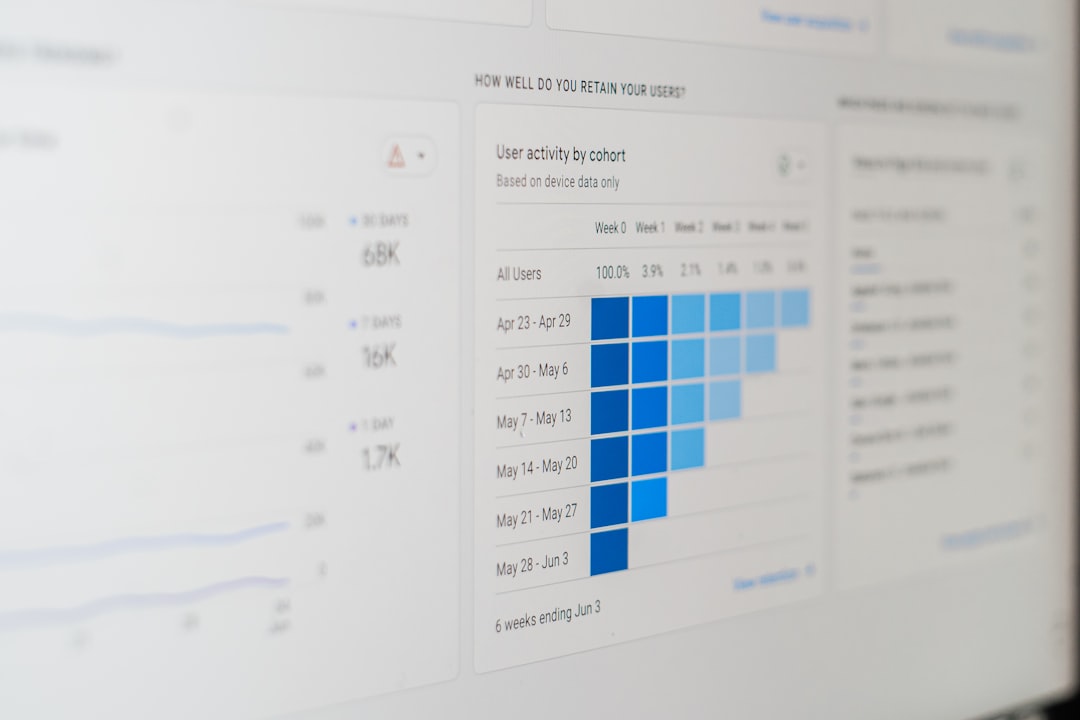
Comparison of 20 Strategic Planning Software Platforms
- Cascade — Cascade is built specifically for strategy execution. It is strong for organizations that need visual strategy maps, initiative tracking, dashboards, and alignment across departments. It suits mid-market and enterprise teams that want strategy to remain visible after annual planning ends.
- WorkBoard — WorkBoard focuses on OKRs and executive operating rhythms. It is useful for fast-growing companies that need weekly check-ins, scorecards, and alignment between leadership and teams. Its strength is making objectives measurable and reviewable.
- Quantive Results — Formerly Gtmhub, Quantive Results is a robust OKR platform with analytics and integrations. It works well for data-driven organizations that want goals connected to real-time business metrics.
- AchieveIt — AchieveIt supports strategic plan execution, performance tracking, and executive reporting. It is especially useful for healthcare, education, government, and large organizations where many stakeholders contribute to progress updates.
- ClearPoint Strategy — ClearPoint Strategy is known for balanced scorecards, dashboards, and strategic reporting. It is a strong fit for organizations that need polished board reports and structured performance management.
- OnStrategy — OnStrategy combines planning methodology with software. It is valuable for organizations that need both a platform and guidance around strategic planning processes, quarterly reviews, and execution discipline.
- Spider Impact — Spider Impact emphasizes performance dashboards, KPIs, scorecards, and strategic alignment. It suits organizations that want strong visual reporting and measurable progress across complex plans.
- Envisio — Envisio is popular with public sector organizations, nonprofits, and municipalities. It supports transparent reporting, strategic plan tracking, and stakeholder communication, making it suitable where accountability is public-facing.
- Rhythm Systems — Rhythm Systems is designed around growth management, quarterly planning, and execution habits. It fits mid-sized companies that want leadership meeting structure, priorities, KPIs, and accountability in one system.
- Profit.co — Profit.co offers OKRs, performance management, task tracking, and employee engagement features. It is a practical choice for organizations that want strategy, people performance, and execution connected.
- Perdoo — Perdoo is a clear, accessible OKR platform. It works well for companies adopting OKRs for the first time or seeking a clean way to align company, team, and individual objectives.
- Weekdone — Weekdone combines OKRs with weekly status reporting. It is best for smaller teams and growing companies that need lightweight visibility into priorities, blockers, and progress.
- Asana — Asana is not purely strategic planning software, but it is widely used for goals, projects, portfolios, and cross-functional execution. It suits companies that want strategy translated into daily project workflows.
- Monday.com — Monday.com provides flexible work management boards, automations, dashboards, and planning templates. It is useful for teams that need customizable strategic roadmaps without heavy enterprise complexity.
- Smartsheet — Smartsheet is strong for organizations comfortable with spreadsheet-like planning but needing automation, dashboards, and portfolio visibility. It is often used for operational planning, project tracking, and resource coordination.
- Wrike — Wrike supports project portfolio management, workload planning, and collaboration. It is a good fit for marketing, operations, and professional services teams that need strategic initiatives linked to execution capacity.
- Jira Align — Jira Align is built for large enterprises using agile methods. It connects strategy, portfolio planning, product roadmaps, programs, and agile delivery teams. It is especially relevant for technology-driven growth.
- Planview — Planview offers enterprise portfolio management, strategic planning, capacity planning, and investment prioritization. It is best for large organizations deciding which programs deserve funding and resources.
- Aha! — Aha! is focused on product strategy, roadmaps, ideas, and releases. It is ideal for product-led companies that need to connect market opportunities, product initiatives, and business growth objectives.
- Miro — Miro is a collaborative visual workspace rather than a full strategy execution platform. It is valuable during planning workshops, SWOT sessions, customer journey mapping, and strategy brainstorming before plans move into tracking tools.
How the Platforms Differ
The platforms generally fall into five categories. OKR tools, such as WorkBoard, Quantive Results, Perdoo, Profit.co, and Weekdone, are best when goal alignment is the priority. Strategy execution platforms, such as Cascade, AchieveIt, ClearPoint Strategy, OnStrategy, Spider Impact, Envisio, and Rhythm Systems, are stronger for formal strategic plans and leadership reporting.
Work management tools, including Asana, Monday.com, Smartsheet, and Wrike, connect plans to projects and tasks. Enterprise portfolio platforms, such as Jira Align, Planview, and Aha!, help organizations prioritize investments, products, and programs. Finally, visual collaboration tools such as Miro support early-stage planning, workshops, and ideation.

Best Choices by Business Need
- Best for enterprise strategy execution: Cascade, Planview, AchieveIt, ClearPoint Strategy.
- Best for OKR-driven growth: WorkBoard, Quantive Results, Perdoo, Profit.co.
- Best for public sector reporting: Envisio, ClearPoint Strategy, AchieveIt.
- Best for project-based execution: Asana, Monday.com, Smartsheet, Wrike.
- Best for product-led organizations: Aha!, Jira Align, Planview.
- Best for planning workshops: Miro, OnStrategy, Rhythm Systems.
A growing company should avoid choosing software only because it has many features. A smaller team may gain more value from a simple OKR platform than from an enterprise portfolio suite. Conversely, a multinational organization may outgrow lightweight goal tracking quickly if it needs budget governance, capacity planning, and executive dashboards across business units.
Key Evaluation Criteria
Before selecting a platform, decision-makers should compare tools against clear criteria. Ease of adoption matters because strategic planning fails when teams do not update progress. Reporting quality is critical for executives and boards. Integrations reduce manual updates and improve data accuracy. Scalability ensures the software can support more teams, regions, or product lines as the company grows.
Organizations should also assess planning methodology. Some platforms assume OKRs, others support balanced scorecards, agile planning, or custom strategic frameworks. The best software should match how the organization already thinks, while improving consistency and accountability.

Final Recommendation
There is no single best strategic planning platform for every business. For goal alignment, OKR tools provide speed and clarity. For complex execution, strategy platforms offer structured governance and reporting. For large enterprises, portfolio tools connect strategy to investments and capacity. The strongest choice is the one that turns strategic intent into measurable action every week, not just during annual planning.
FAQ
What is strategic planning software?
Strategic planning software helps organizations define goals, assign ownership, track initiatives, measure KPIs, and report progress against long-term business objectives.
Which platform is best for OKRs?
WorkBoard, Quantive Results, Perdoo, Profit.co, and Weekdone are strong OKR-focused options. The best fit depends on company size, reporting needs, and integration requirements.
Which tool is best for enterprise strategic planning?
Cascade, Planview, AchieveIt, and ClearPoint Strategy are strong enterprise options because they support structured reporting, cross-functional visibility, and complex initiative tracking.
Can project management software replace strategic planning software?
Sometimes, but not always. Tools like Asana, Monday.com, Smartsheet, and Wrike can manage strategic projects, but specialized strategy platforms usually provide stronger goal alignment, dashboards, and executive reporting.
How should a business choose the right platform?
A business should define its planning framework, reporting needs, team size, integration requirements, and growth goals before comparing platforms. A pilot with one department can reveal whether the software is practical before a full rollout.