
Mobile connectivity changed from “getting online anywhere” to “expecting everything instantly.” 3G made the mobile web useful, 4G made apps, video, and social media feel normal, and 5G is pushing phones, machines, cars, factories, and cities toward near real-time communication.
TLDR: 3G gave phones practical internet access, but speeds often stayed below 2 Mbps in real use. 4G lifted that into the tens of Mbps, which made HD video, ride-hailing, and mobile payments feel smooth. 5G can reach hundreds of Mbps or more, with much lower delay; for example, a technician using AR glasses can receive repair instructions almost instantly instead of waiting for video or data to load. In many markets, 5G users now consume 2 to 3 times more mobile data than 4G users because video, gaming, and cloud services are easier to use.
The jump from 3G to 5G is not just a speed story. Speed matters, of course. Nobody misses waiting 30 seconds for a grainy clip to load. But the bigger shift is how mobile networks changed behavior. Each generation made people trust their phones with more of daily life.
With 3G, the phone became a pocket computer. With 4G, it became a media hub and service remote. With 5G, it is becoming part of a wider connected system that includes sensors, vehicles, cameras, medical tools, and industrial machines.
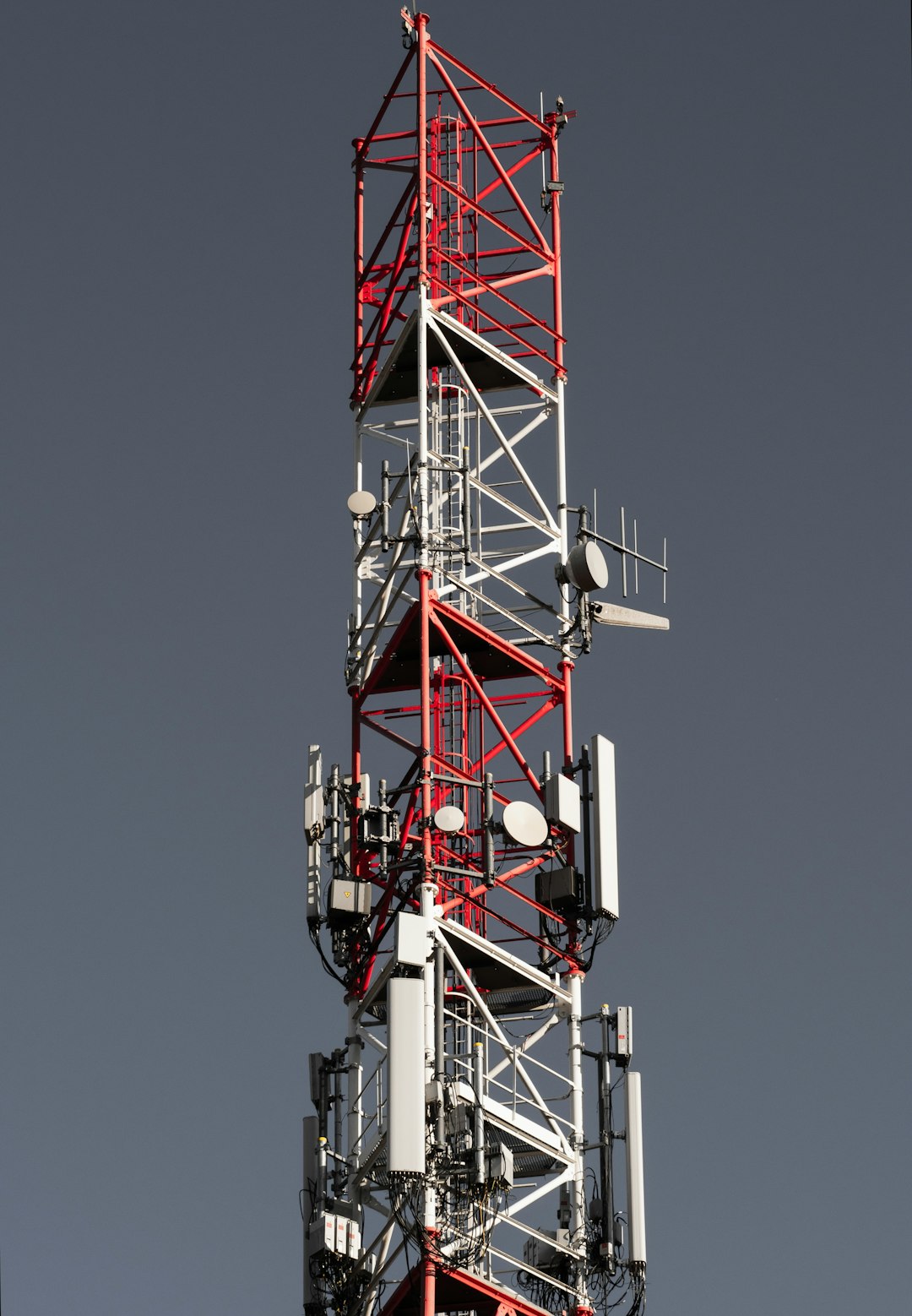
What 3G Really Changed
Before 3G, mobile internet existed, but it was awkward. Web pages were stripped down. Downloads were slow. Email worked, but it was not pleasant. Honestly, it feels absurd now that checking a basic news page could take longer than making coffee.
3G changed that by offering higher data speeds and stronger support for web browsing, email, early video calls, and app stores. It arrived broadly in the 2000s and helped create the first true smartphone era. Phones were no longer just for calls, texts, and Snake-like games. They could connect people to maps, browsers, music, and social networks.
Typical 3G benefits included:
- Mobile web access that was usable beyond simple text pages.
- Email and messaging that worked while commuting or traveling.
- Early app ecosystems that encouraged people to do more on phones.
- Basic video calling, though often choppy and unreliable.
The limits were easy to feel. Apps took time to load. Video buffered. Indoor coverage could be patchy. Latency was also high, often around 100 milliseconds or more, which made interactive services feel sluggish.
4G Made the App Economy Explode
4G, especially LTE, fixed many daily annoyances. It raised speeds and cut delay. Suddenly, mobile internet felt less like a backup connection and more like the main one. This was the moment when streaming, ride-sharing, mobile banking, food delivery, and live video became normal.
That shift reshaped business. Companies stopped treating mobile users as secondary visitors. Entire products were built around phones first. A taxi app without 4G would have been clumsy. So would live location sharing, HD video calls, and instant card payments at street markets.
4G made these habits mainstream:
- HD video streaming on trains, buses, and in parks.
- Real-time location services for rides, deliveries, and maps.
- Mobile-first shopping with fast images and easy checkout.
- Social video, including livestreams and short-form clips.
- Cloud apps that synced photos, files, and messages quickly.
4G also changed expectations. If a video paused, users blamed the app. If a map took five seconds to refresh, it felt broken. That impatience pushed developers to improve design, caching, compression, and server performance.
5G Is About Speed, Capacity, and Low Delay
5G is often marketed with big speed numbers. Some networks can pass 1 Gbps under ideal conditions. Real-world speeds vary a lot, but many users still see a clear jump over 4G. Downloads finish faster. Video starts sooner. Large app updates feel less painful.
The more interesting part is latency. Latency is the small delay between sending a request and getting a response. On 3G, that delay could feel heavy. On 4G, it improved. On 5G, latency can drop far lower, especially with advanced network setups and edge computing.
That matters for services where timing counts. Think cloud gaming, remote-controlled equipment, AR training, automated ports, connected ambulances, and factory robots. A few milliseconds can be the difference between smooth control and a messy lag.
5G also supports more devices in the same area. That sounds boring until you stand in a packed stadium and cannot upload a photo. It drives me crazy that a full signal icon can still mean a useless connection when thousands of people are trying to post at once. 5G is designed to handle dense crowds, busy transport hubs, and sensor-heavy city blocks better than older networks.
The Technology Behind the Jump
Each mobile generation improves radio technology, but 5G adds new layers. It can use low-band, mid-band, and high-band spectrum. Each has trade-offs.
- Low-band 5G travels far and works better indoors, but speeds may feel close to strong 4G.
- Mid-band 5G offers a good mix of speed and coverage. This is where many users notice the biggest upgrade.
- High-band 5G, often called millimeter wave, can be extremely fast but has shorter range and struggles with walls.
5G networks also use technologies such as massive MIMO, which means many antennas work together to serve more users. They also use network slicing, where one physical network can be split into virtual sections for different needs. For example, a hospital system could need very reliable service, while a public video feed may need high bandwidth but less strict timing.

What Changed for Everyday Users?
For most people, the difference is practical. Downloads are faster. Video calls are clearer. Hotspots can replace home broadband in some areas. Large files sync without demanding so much patience. Traveling workers can join meetings from places that once felt risky for mobile data.
There is also a quiet change in how apps are built. Developers assume stronger connections. That means richer images, more video, real-time collaboration, and cloud processing. A fitness app can stream coaching. A camera app can back up high-resolution clips. A game can run in the cloud while the phone acts mostly as a screen and controller.
Still, 5G is not magic. Coverage depends on location. Indoor signal can vary. Some 5G icons appear even when performance is not impressive. Battery drain can be higher when phones hunt between networks. And rural areas may wait longer for the best upgrades.
Business and Industry Feel the Bigger Shift
Consumers notice faster phones, but industry may see the deepest change. 5G can connect equipment across warehouses, mines, farms, ports, and hospitals. Sensors can report conditions in real time. Cameras can support automated safety checks. Vehicles can share road data. Medical teams can send high-quality scans from ambulances before a patient arrives.
Manufacturing is a strong example. A factory using 5G sensors can monitor vibration, heat, and machine performance minute by minute. If a motor shows early signs of failure, maintenance can happen before production stops. Even a 10% reduction in unplanned downtime can save serious money in large plants.
The Road From 3G to 5G
3G taught people that the internet belonged in their pockets. 4G taught them that mobile could handle serious work, entertainment, and commerce. 5G is teaching networks to support not just people, but whole systems of connected devices.
The change is easy to summarize: 3G connected phones, 4G connected apps, and 5G connects experiences. The next step will not be only faster downloads. It will be more reliable connections in more places, smarter networks, and services that react almost as quickly as people do.