
The fastest way to get paid to advertise for companies is to join affiliate networks, publisher programs, or direct brand partner programs, then promote trackable links or ads through content that already attracts an audience. A website, newsletter, YouTube channel, podcast, or social media account can earn money when readers click, sign up, buy, or view ads. The best results usually come from matching the offer to the audience, not from posting random links everywhere.
TLDR: A publisher earns by placing affiliate links, display ads, sponsored placements, or referral codes in useful content. For example, a savings blog with 25,000 monthly visitors might send 800 clicks to a budgeting app and earn $1,200 if 60 users sign up at a $20 commission. Many beginners start with a network such as Amazon Associates, CJ, ShareASale, Impact, or a company’s own referral program. The winning formula is simple: useful content, clear tracking, honest disclosure, and patient testing.
How Affiliate and Publisher Programs Work
Affiliate programs pay a commission when a referred visitor takes a target action. That action may be a sale, free trial, app install, lead form, or subscription. The company provides a special link, coupon code, banner, or product feed. The publisher places it in content and earns money when tracking confirms the result.
Publisher programs can also include display advertising. In that model, a site owner gets paid for ad impressions or clicks. Google AdSense, Mediavine, Raptive, Ezoic, and similar ad platforms place ads on eligible websites. The advertiser buys exposure. The publisher earns a share.
Affiliate income often pays more per action. Display ads are simpler once approved. Many serious publishers use both.

Common Ways Publishers Get Paid
- Pay per sale: A percentage or flat fee after a customer buys. This is common with software, retail, courses, and subscriptions.
- Pay per lead: Payment comes after a visitor submits a form, books a call, or creates an account.
- Pay per click: The publisher earns when a visitor clicks an ad or link. Rates are often lower.
- Pay per install: App companies pay when a referred user installs or activates an app.
- Ad revenue share: A publisher earns based on views, clicks, or ad auction rates.
- Sponsored content: A company pays a fixed fee for a review, newsletter mention, video segment, or social post.
Best Platforms to Join
Beginners often start with large affiliate networks because they give access to many programs in one account. Popular options include Amazon Associates, CJ Affiliate, ShareASale, Impact, Awin, Rakuten Advertising, and PartnerStack. Software creators may prefer PartnerStack or Impact. Product review sites often use Amazon, CJ, and ShareASale.
Some companies run direct programs outside major networks. These can pay better because there is no middle layer. A publisher can search the company name plus “affiliate program” or check the footer on the company website.
Honestly, it feels like some affiliate dashboards were built to hide the useful buttons. A publisher may spend 30 seconds hunting for basic links that should be obvious. Still, once the tracking links are saved in a spreadsheet, the daily work gets easier.
What a Publisher Needs Before Applying
Most programs want proof that real people see the content. A publisher does not always need huge traffic, but the site or channel should look active and focused.
- A clear niche: Examples include travel gear, home fitness, personal finance, pet care, business software, or gaming accessories.
- Original content: Reviews, comparisons, tutorials, case studies, buying guides, videos, or newsletters.
- Basic audience data: Monthly visitors, email subscribers, video views, or social reach.
- A disclosure page: Affiliate rules in many regions require clear statements about paid links.
- A professional profile: A working email address, public website, and accurate payment details.
How to Pick the Right Companies to Promote
The best offer is not always the highest commission. A $200 payout means little if no one converts. A lower payout with strong trust can earn more.
A publisher should compare:
- Audience fit: The product must solve a real problem for readers or viewers.
- Commission rate: Flat fees work well for software. Percentages work well for retail and courses.
- Cookie window: A 30-day cookie gives more time than a 24-hour cookie.
- Refund policy: High refunds can reduce approved commissions.
- Brand reputation: Promoting a poor product can harm long-term trust.
- Conversion support: Good landing pages, trials, demos, and clear pricing help sales.

Where to Place Affiliate Links and Ads
The strongest placements sit inside helpful content. A link in a thoughtful review usually beats a random banner. Readers need context before they click.
Effective placements include:
- Product comparison articles: “Best email tools for small shops” or “Top hiking backpacks under $150.”
- How-to guides: A tutorial can mention the exact tool used to complete the task.
- Resource pages: A curated list of tools, books, apps, or services.
- Email newsletters: A short recommendation can work well when the audience trusts the sender.
- YouTube descriptions: Review videos and tutorials can include tracked links below the video.
- Podcast show notes: Codes and links make audio promotions easier to track.
Tracking Results Without Guesswork
Affiliate marketing can get messy fast. Different programs report clicks, sales, reversals, and payouts in different ways. It drives people crazy when one platform updates in real time and another lags by two days.
A publisher should track the basics in a spreadsheet or analytics tool:
- Program name
- Link location
- Clicks
- Conversion rate
- Commission per conversion
- Approved earnings
- Payment date
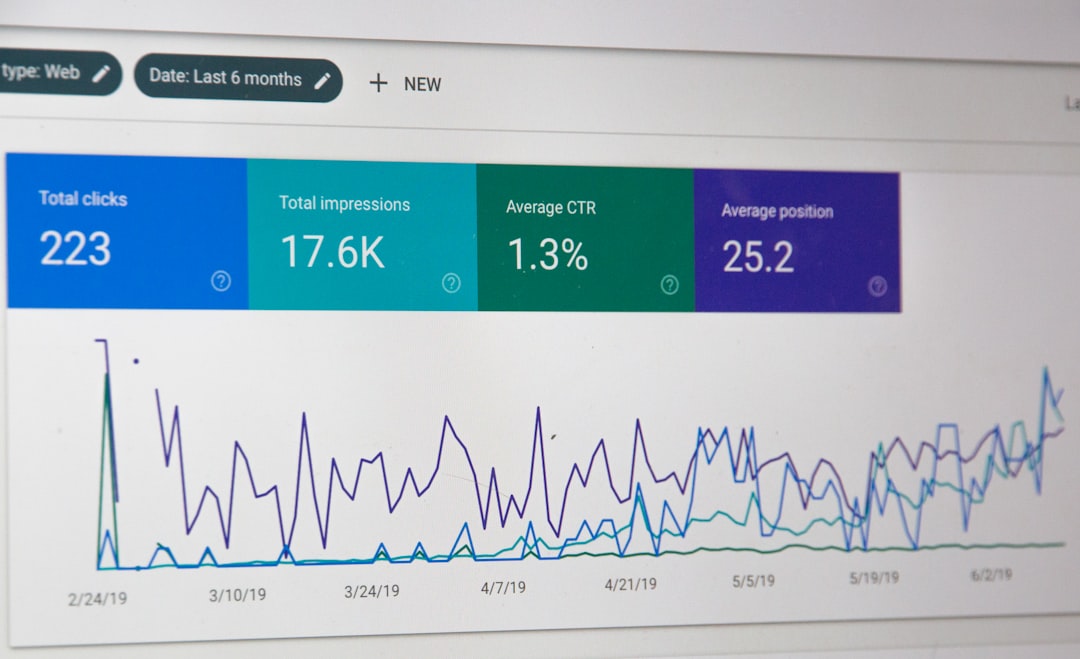
Simple math reveals what deserves more effort. If one article gets 1,000 visits and earns $80, while another gets 300 visits and earns $150, the second article may have better buyer intent. Updating that page could be more useful than chasing new traffic.
Legal and Trust Rules
Paid promotions need clear disclosure. A publisher should say when links may earn a commission. The notice should appear near the link or at the top of the content. Hiding it in tiny footer text is risky and looks shady.
Trust also matters. A creator who recommends every product for a quick payout will lose loyal readers. The better long-term move is to mention pros, cons, pricing, and who should skip the product. Balanced content converts because it feels real.
How Much Can Publishers Earn?
Earnings vary widely. A small niche website may earn $50 to $500 per month. A strong review site may earn several thousand. Large publishers can earn six figures per year from ads and affiliate deals combined.
Three factors drive most results: traffic volume, buyer intent, and commission value. A recipe blog may need heavy traffic to earn well from ads. A software comparison site can earn more from fewer visitors because one subscription signup may pay $50 to $300.
Smart First Steps
- Choose one niche. A focused audience is easier to serve and easier to sell to.
- Create 10 useful content pieces. Reviews, guides, and comparisons work well.
- Join three to five programs. Too many programs create clutter at the start.
- Add clear disclosures. Keep trust clean from day one.
- Measure clicks and earnings weekly. Cut weak offers and improve strong pages.
- Build an email list. Search traffic can swing. A list gives more control.
FAQ
Can a beginner get paid to advertise for companies?
Yes. A beginner can join some affiliate programs with a small site, newsletter, or social account. Approval is easier when the content is original and focused.
Does a publisher need a website?
Not always. Some programs accept YouTube channels, podcasts, email newsletters, or social profiles. Still, a website gives better control and more places to place links.
How long does it take to earn money?
Some publishers earn within weeks. Many need three to six months to see steady results. Traffic, niche choice, and content quality make the biggest difference.
Are affiliate links the same as ads?
They are related, but not identical. Affiliate links pay after a tracked action. Display ads often pay for views or clicks.
What is the best affiliate program?
There is no single best choice. The right program matches the audience, pays fairly, tracks reliably, and represents a product people actually want.
Can affiliate marketing become full-time income?
Yes, but it usually takes time. Full-time publishers often publish consistently, test offers, build email lists, and combine affiliate income with ad revenue or sponsorships.