
The best time to post on Twitter is when your specific audience is online and ready to react, not when a generic chart says so. For many accounts, that means testing weekday mornings, lunch breaks, and early evenings in the audience’s main time zone. A reliable posting schedule comes from your own analytics, measured over several weeks, then adjusted as your followers grow.
TLDR: Start by testing posts between 8–10 a.m., 12–2 p.m., and 5–7 p.m. on weekdays, then compare engagement rates after 30 days. For example, a B2B software account might find that Tuesday posts at 9:15 a.m. get a 3.8% engagement rate, while Friday posts at 4 p.m. get only 1.1%. Use those numbers to build a schedule, then keep testing monthly because audiences change.
Why timing still matters on Twitter
Twitter moves quickly. A post can get buried within minutes if it lands when your audience is busy, asleep, or scrolling with no intent to engage. Timing will not save weak content, but it can give strong content a fair chance.
The goal is simple: post when followers are most likely to see, read, click, reply, repost, or follow. Reach usually comes first. Engagement follows. Audience growth comes when people see repeated value from your account.
The catch is that Twitter analytics can feel thinner than it should. You may need to export data, compare posts manually, or use a scheduling tool. Expect to waste time on messy time zones and half-useful dashboards before the pattern becomes clear.

General best times to post on Twitter
There is no universal perfect hour. Still, broad patterns can help you start testing. These windows often perform well because people check Twitter during transitions in the day.
- Weekday mornings: 8–10 a.m., when people scan news, work updates, and industry chatter.
- Lunch breaks: 12–2 p.m., when users have a few spare minutes to scroll.
- Early evenings: 5–7 p.m., when work slows down and casual browsing increases.
- Midweek days: Tuesday, Wednesday, and Thursday often beat Monday and Friday for professional accounts.
- Weekends: Better for entertainment, sports, creators, hobbies, and community-led accounts.
If your audience is global, do not post everything in your own local time. A U.S. brand with a large U.K. audience may need early morning posts in Eastern Time. A gaming account may see stronger late-night results. A finance account may peak before markets open.
Reach, engagement, and growth are not the same thing
Many teams make the mistake of chasing only impressions. High reach looks good in a report, but it does not always mean the post helped the account.
Track these metrics separately:
- Reach or impressions: How many times the post appeared.
- Engagement rate: Replies, reposts, likes, clicks, and profile visits divided by impressions.
- Click rate: Best for content that sends users to a site, newsletter, store, or landing page.
- Follower growth: New followers after a post or posting period.
- Reply quality: Whether comments come from relevant people or random low-value accounts.
A post at 9 a.m. may bring 20,000 impressions but few clicks. A post at 1 p.m. may bring 8,000 impressions yet twice the replies. Neither is automatically better. The right winner depends on your goal.
How to find your ideal posting schedule
Build your schedule with data, not guesses. Use a simple testing plan and keep it clean. Changing too many things at once makes the results hard to trust.
- Pick three time blocks. Start with morning, lunch, and early evening.
- Post similar content in each block. Do not compare a major product launch with a casual quote.
- Run the test for at least four weeks. One week is too short and too noisy.
- Record results in a spreadsheet. Include date, time, topic, format, impressions, engagement rate, clicks, and new followers.
- Remove obvious outliers. Viral posts, breaking news, or celebrity replies can distort the pattern.
- Choose the top two or three slots. Make them your default posting windows.
- Retest every month. Growth, seasonality, and news cycles can shift audience habits.
It drives me crazy when scheduling tools hide useful data behind vague labels like “best time.” A better method is to pull the raw numbers and compare them yourself. It takes a few extra minutes, but the decisions are cleaner.
A practical 30 day testing plan
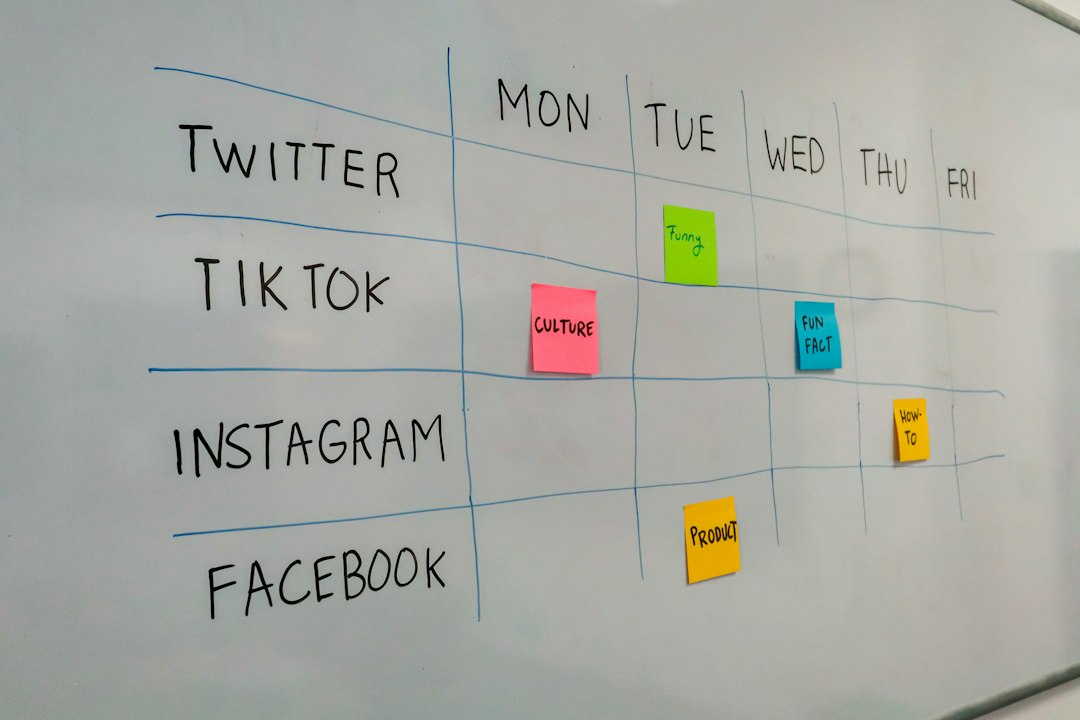
Here is a serious but manageable plan for a small team, founder, creator, or marketing manager.
Week 1: Post once per day at 9 a.m. Keep topics useful and consistent. Share tips, short opinions, data points, or customer insights.
Week 2: Post once per day at 1 p.m. Use similar formats. If week one was mostly text posts, keep week two similar.
Week 3: Post once per day at 6 p.m. Watch for replies and profile visits, not just likes.
Week 4: Repeat the two strongest time blocks from the first three weeks. Add one extra post on the best-performing day.
At the end, compare average engagement rate, median impressions, link clicks, profile visits, and follower gains. Median impressions matter because one unusually large post can make averages misleading.
For example, suppose a consulting account posts 28 times in a month. The results show:
- 9 a.m. posts: 11,200 median impressions, 2.9% engagement rate.
- 1 p.m. posts: 7,600 median impressions, 3.4% engagement rate.
- 6 p.m. posts: 5,900 median impressions, 1.7% engagement rate.
In this case, 9 a.m. is best for reach. 1 p.m. is best for engagement. The account should post major visibility content in the morning and discussion-led posts at lunch.
How often should you post?
Timing matters, but frequency matters too. Twitter rewards steady activity, especially if your posts earn replies and shares. Still, more posts do not always mean more growth.
For most serious accounts, a good starting point is:
- 1–3 posts per day for small brands, consultants, and founders.
- 3–6 posts per day for publishers, creators, SaaS companies, and media-heavy accounts.
- 6 or more posts per day only if you have enough strong ideas and active community management.
Quality control matters. Five weak posts can train followers to ignore you. One useful post can bring replies, saves, profile visits, and new followers.
Match timing to content type
Not every post belongs in the same time slot. Some formats work better when people have time to think. Others work when users want quick updates.
- News and timely reactions: Post as soon as the topic breaks. Speed matters more than routine.
- Industry analysis: Test mornings, when professionals are more focused.
- Questions and polls: Try lunch or early evening, when users are more willing to reply.
- Threads: Post when your audience has reading time, often midmorning or lunch.
- Promotional posts: Use your highest-click time slot, not your highest-like slot.

Common mistakes to avoid
Do not copy another account’s schedule without checking your own data. Their audience may live in another region, work in another industry, or use Twitter for a different reason.
Do not judge a posting time after one bad post. The topic may have been weak. The hook may have failed. The format may have been wrong.
Do not ignore time zones. If 40% of your buyers are in Central Europe, a schedule built only around Pacific Time will hold you back.
Do not post and disappear. The first 30–60 minutes matter. Reply fast. Add context. Thank people. Strong early interaction can help a post travel further.
Build a schedule you can maintain
The ideal Twitter posting schedule is not the busiest one. It is the one you can follow with strong content and regular review. Start with proven testing windows, measure results for 30 days, and let the data decide.
Use mornings for reach, lunch for discussion, and evenings for community tests until your numbers say otherwise. Then refine. Keep the schedule simple, keep the reporting honest, and update it as your audience grows.