
Sound design is the craft of choosing, recording, shaping, and mixing every sound you hear in a film or video. It is not just “adding noise.” It is story work. It tells your brain what to feel before your eyes catch up.
TLDR: Sound design uses dialogue, effects, music, and ambience to make a story clear, emotional, and believable. If a horror short is 5 minutes long, one creaky door, one low rumble, and 10 seconds of silence can do more than a monster close-up. In one simple test, a product video with clean sound can feel up to 30% more polished than the same video with muddy audio. Good sound makes viewers stay, trust, and feel.
What does sound design mean?
Sound design means building the audio world of a video.
Think of it like decorating a room. But instead of chairs and lamps, you use voices, footsteps, wind, engines, heartbeats, music, and silence. Each sound has a job.
A coffee cup placed on a table can sound soft, sharp, funny, angry, or creepy. Yes, really. Change the sound, and you change the meaning.
In film and video, sound design helps answer three big questions:
- Where are we? A busy street, a quiet kitchen, a spaceship, a forest.
- How should we feel? Safe, tense, sad, excited, awkward.
- What matters right now? A whisper, a gun click, a phone buzz, a dog bark.
Bad sound design can make a great shot feel cheap. Great sound design can make a tiny budget feel huge. Annoying, but true.
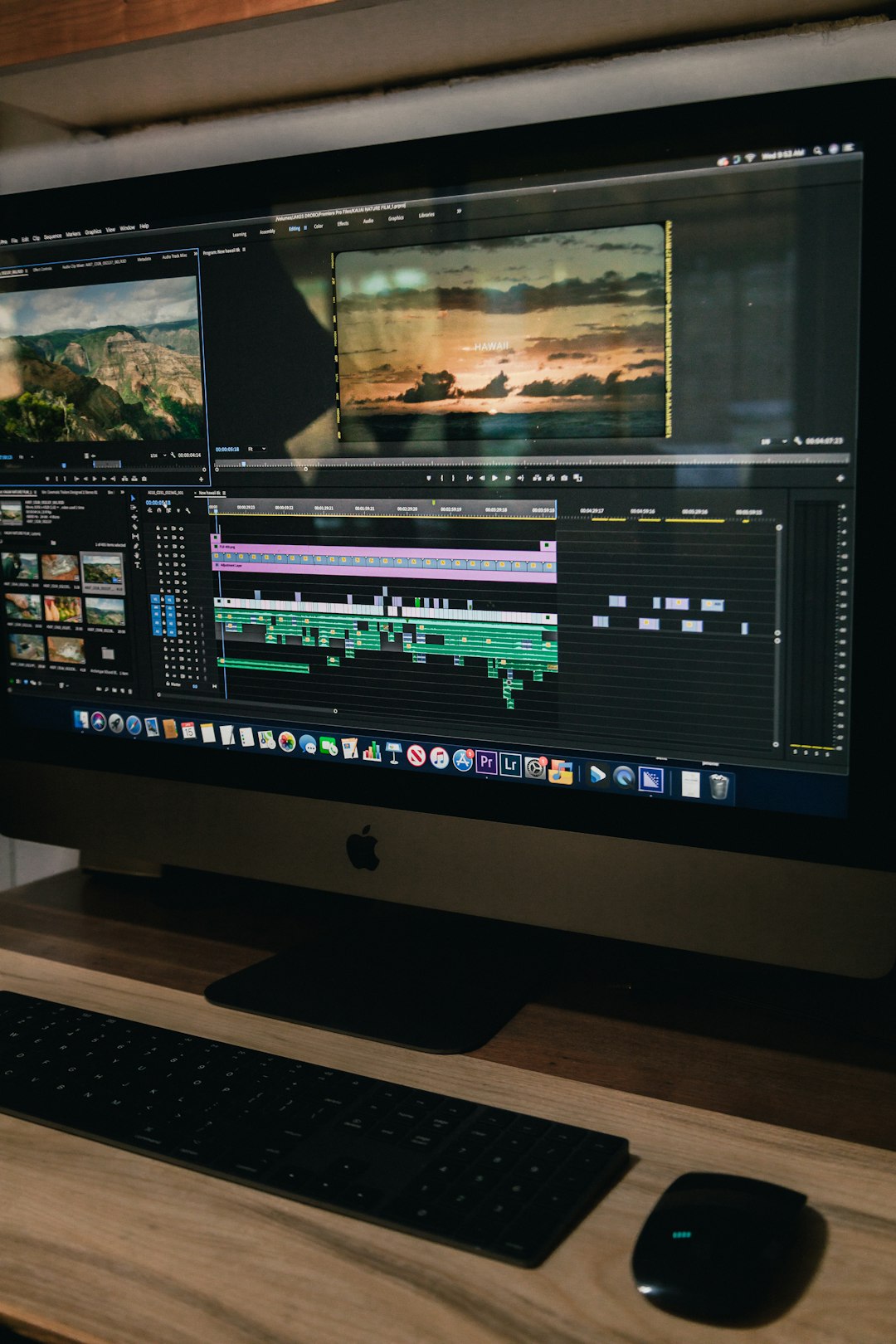
The four main parts of sound design
Most sound design is built from four main pieces. They are dialogue, sound effects, music, and ambience. Each one has a different superpower.
1. Dialogue: the story engine
Dialogue is the spoken voice. It can be a conversation, a voice-over, a news report, or a tiny mumble from the back of a room.
Dialogue gives us facts. It also gives us mood. A line like “I’m fine” can mean many things. The sound tells us which one.
If the voice is close and dry, it feels private. If it echoes in a hallway, it feels lonely. If it is buried under traffic, the scene feels chaotic.
Clean dialogue is a big deal. Viewers forgive a slightly dark shot. They do not forgive speech they cannot understand. Expect people to quit fast if they keep asking, “What did they say?” It drives me crazy when a video has perfect color but the voice sounds like it was recorded inside a backpack.
Good dialogue design uses:
- Volume balance, so words are easy to hear.
- Noise cleanup, to remove hum, hiss, and rumbles.
- Room tone, so edits do not feel chopped.
- Voice placement, so people sound near, far, calm, or scary.
2. Sound effects: the texture and punch
Sound effects are the specific sounds tied to action. A punch. A car door. A sword pull. A text message ping. A dragon sneeze, if your day is weird.
Some effects are recorded on set. Others are added later. Many are made by Foley artists. These are people who perform sounds in sync with picture. They walk on gravel. They rustle jackets. They snap celery to make bone cracks. Glamorous? Not always. Effective? Very.
Effects make the screen feel physical. Without them, action floats. A superhero landing without a heavy thud feels like a person stepping off a curb.
Sound effects can also lie in a useful way. A tiny plastic prop can get a huge metal clang. A soft slap can become a brutal hit. A small room can sound like a giant bunker.
That is the fun part. Sound design is not always realistic. It is often emotionally true. If the character feels crushed, the world can groan with them.
3. Music: the emotional shortcut
Music tells us how to feel, fast.
A simple piano note can make a goodbye hurt. A fast drum pattern can make a chase feel urgent. A silly tuba can turn a serious fall into a joke.
Music can support what is on screen. It can also fight it. That contrast can be powerful. A happy song during a dark scene can feel creepy. A quiet melody during a battle can feel tragic.
But music is not a magic bandage. You cannot fix every weak scene by dumping strings on it. Honestly, it feels like some edits add music just because silence feels scary to the editor. Silence can be great. Give it a chance.
Music works best when it has space. It should not bully the dialogue. It should not cover key effects. It should guide the feeling, not scream the feeling.
4. Ambience: the invisible world
Ambience is the background sound of a place. It is the air of the scene.
In a city, ambience may include traffic, distant sirens, chatter, vents, and footsteps. In a forest, it may include birds, bugs, wind, leaves, and far-off water. In a hospital, it may include beeps, carts, soft shoes, and low voices.
Ambience is easy to ignore when it works. You only notice it when it vanishes. Then the scene feels dead.
Ambience also helps with editing. When shots cut together, a steady room tone can hide the joins. It smooths the ride.
Ambience can change the story too. A playground with laughing kids feels safe. The same playground with only a squeaky swing feels cursed. Same image. Different world.
How sound shapes story
Sound design shapes story by controlling attention, emotion, and pace.
Attention is simple. If we hear keys jingle, we look for keys. If we hear a phone vibrate, we expect a message. Sound points the viewer’s brain.
Emotion is sneakier. Low tones can create tension. Soft textures can create comfort. Sharp sounds can make us flinch. Warm sounds can make a memory feel sweet.
Pace is timing. Quick cuts with fast effects feel energetic. Long pauses with small sounds feel tense. A scene can slow down without changing the picture much at all.
Here is a simple example.
A character walks into a kitchen at night. The shot is plain. Now change only the sound:
- Comedy version: squeaky slippers, humming fridge, tiny cat meow.
- Horror version: low rumble, distant pipe knock, no music, slow breathing.
- Drama version: soft rain, quiet clock, tired sigh, gentle piano.
Same kitchen. Three stories.

Silence is sound design too
Silence is not empty. It is a choice.
A sudden drop to silence can shock people. It can mark danger. It can make a tiny sound feel huge. Think of a character holding their breath. The room goes still. Then a floorboard creaks. Boom. Your popcorn suffers.
Silence can also show grief, awe, or focus. A scene after bad news may need no music. Just a chair scrape. Just a breath. Just nothing for a beat.
Good sound design is planned early
Sound should not be the last sad task before export. Plan it early.
Before a shoot, ask:
- What sounds tell the story?
- What should feel close or far away?
- Where do we need silence?
- Will music lead the scene or stay under it?
- Do we need special effects or Foley?
On set, record clean dialogue. Capture room tone. Grab wild sounds if you can. A useful door slam recorded on location can save time later.
In editing, build sound in layers. Start with dialogue. Add ambience. Add effects. Add music. Then mix everything so nothing fights for space.
A simple sound design checklist
- Can viewers understand every key line?
- Does each place have a clear background sound?
- Do effects match the weight of the action?
- Does music support the mood without crowding speech?
- Are there moments of silence or contrast?
- Does the final mix sound good on headphones, laptops, and phones?
The big idea
Sound design is the hidden storyteller in film and video. It makes places feel real. It makes scenes feel funny, tense, sad, or epic. It helps viewers know what to notice and what to feel.
If picture is what viewers see, sound is what they believe. Treat it with care. Your story will feel bigger, clearer, and far more alive.