
A TikTok is “viral” when it performs far above your normal numbers, not when it hits one magic view count. For a tiny account, 20,000 views can be viral. For a big creator, that may be a Tuesday. A simple rule works best: if a video gets 10 times your average views, it is probably viral for you.
TLDR: A TikTok with 100,000 views is often called viral, but true virality depends on your usual performance. If your videos average 2,000 views and one hits 25,000 in a day, that is a 1,150% jump. Use TikTok Analytics to study watch time, retention, and traffic source. Use Hootsuite to compare posts, make reports, and track TikTok alongside other social channels.
So, how many views is viral on TikTok?
Here is the honest answer. It depends. Annoying, yes. Useful, also yes.
TikTok does not hand out a shiny “viral” badge. There is no official view count where confetti falls from the ceiling. Still, creators and marketers often use these loose benchmarks:
- 10,000 views: Strong for a small or new account.
- 50,000 views: Very good traction.
- 100,000 views: Common “viral” starting point.
- 500,000 views: Big viral moment.
- 1 million views: Widely viral.
But the smarter way is to compare the video to your own average.
If your normal video gets 800 views and one gets 12,000, that is huge. If your normal video gets 300,000 views and one gets 350,000, that is not viral. That is just wearing a nice shirt to work.
Relative growth matters more than raw views. Viral means the algorithm has pushed your content outside your usual crowd.
The quick “viral math” test
Use this simple test. No spreadsheet panic needed.
- Find your average views from your last 10 posts.
- Multiply that number by 10.
- If your new video beats that number fast, it may be viral.
Example time.
Your last 10 TikToks got an average of 1,500 views. Your new post hits 18,000 views in 24 hours. That is 12 times your average. Nice. The algorithm noticed. People probably watched, shared, or rewatched it.
Now check the deeper signs.
- Did people watch most of the video?
- Did they share it?
- Did they comment without being begged?
- Did followers increase?
- Did views keep growing after the first day?
Views get the applause. These signals explain the applause.
TikTok Analytics: best for finding out why a video popped
TikTok Analytics is the built-in tool inside TikTok. It is the closest thing to the source. If you want to know why a TikTok is going wild, start there.
It can show metrics like:
- Video views
- Likes, comments, and shares
- Total play time
- Average watch time
- Watched full video rate
- New followers from the video
- Traffic sources, such as For You, profile, or search
- Viewer location
This is gold. Especially the watch data.
TikTok loves videos people finish. It really loves videos people rewatch. If your 12-second video has an average watch time of 14 seconds, people are looping it. That is a big green flag.
If 82% of your views come from the For You feed, your video is reaching strangers. That is another strong viral signal. If most views come from your profile, it may be your existing audience doing the work.
The catch is that TikTok Analytics can feel a bit cramped. You tap, back out, tap again, squint at a graph, then forget what you were checking. It is fine for one video. It gets messy when you want to compare 30 posts.
Hootsuite: best for reports, planning, and comparing content
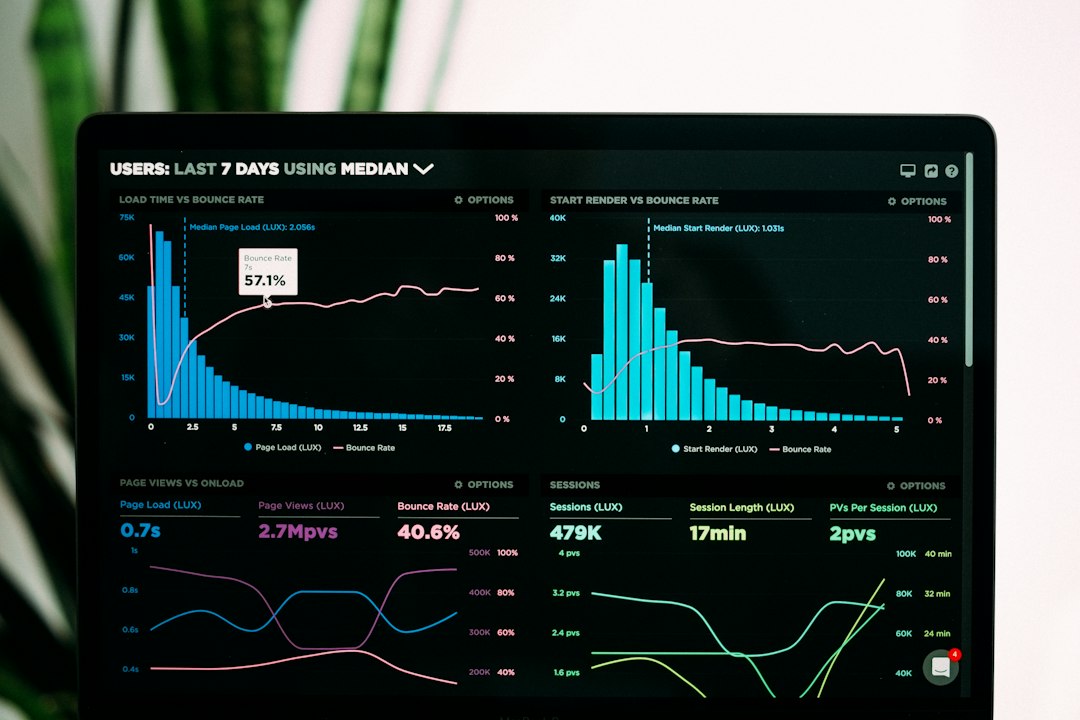
Hootsuite is more like a control room. It helps you manage social posts, schedule content, and track performance across platforms. For TikTok, it is useful when you want clean reporting and side-by-side comparisons.
Hootsuite can help you track things like:
- Views
- Reach
- Engagement
- Likes, comments, and shares
- Follower growth
- Top posts
- Best posting times
- Campaign results
This is great for teams. It is also great for clients. Nobody wants a screenshot folder named “final final TikTok stats again.” Hootsuite makes reports easier to share.
It also helps if TikTok is only one piece of your social plan. Maybe your video did well on TikTok, but flopped on Instagram Reels. Hootsuite makes that easier to spot.
Honestly, it feels like Hootsuite is better when you need a clean answer for a meeting. TikTok Analytics is better when you need to figure out why the sausage video got 240,000 views.
TikTok Analytics vs Hootsuite: which one measures virality better?
Use both if you can. They answer different questions.
- TikTok Analytics answers: Why did this post take off?
- Hootsuite answers: How does this post compare across time, campaigns, and channels?
If you are a creator, TikTok Analytics may be enough. It is free. It is direct. It shows the key clues behind viral growth.
If you are a brand, agency, or social media manager, Hootsuite saves time. It puts data in cleaner charts. It helps you report wins without building a spreadsheet monster from scratch.
Here is a simple breakdown:
- Best for deep TikTok video data: TikTok Analytics
- Best for professional reports: Hootsuite
- Best for creators on a budget: TikTok Analytics
- Best for teams: Hootsuite
- Best for spotting repeat patterns: Both together
The metrics that actually prove TikTok virality
Views are loud. But they are not the whole party.
Watch these numbers:
- View velocity: How fast views arrive. A jump from 500 to 50,000 in six hours matters.
- Average watch time: Higher is better. This tells TikTok people care.
- Completion rate: If many people finish the video, that is powerful.
- Shares: Shares are rocket fuel. People do not share boring.
- Comments: Comments signal reaction. Even weird comments can help.
- Follower growth: Viral views are nice. New fans are better.
- For You traffic: This shows TikTok is pushing the video beyond your base.
A video with 80,000 views, 9,000 shares, and 3,000 new followers may be more valuable than one with 200,000 views and weak action.
A simple user case
Say Mia runs a small candle shop. Her TikToks average 3,000 views. She posts a video called “Packing an order for someone’s ex.” Classic chaos. It hits 96,000 views in 18 hours.
In TikTok Analytics, Mia sees:
- 71% of views came from For You.
- 38% watched the full video.
- The post gained 420 new followers.
- It got 1,800 shares.
That is viral for her account. No question.
Then she checks Hootsuite. She sees this video beat her monthly average engagement rate by 260%. She also sees that funny packing videos perform better than product-only clips. So she makes more of them. Smart move.

Final verdict
A viral TikTok is usually 10 times your normal view count. For public bragging rights, 100,000 views is a fair starting line. For major viral status, aim for 1 million views or more.
Use TikTok Analytics when you want to study the video itself. Use Hootsuite when you want better reports, cleaner comparisons, and team-friendly tracking.
The best setup is simple. Let TikTok tell you what happened inside the app. Let Hootsuite help you explain it without crying into a spreadsheet.