
Start by tightening your offer, then choose one primary acquisition channel and measure it weekly. Random marketing spend burns cash fast, especially when acquiring a new customer can cost five to 25 times more than keeping an existing one [source: Harvard Business Review]. Growth gets easier when your audience, message, channel, and follow-up system all point in the same direction.
TLDR: Customer acquisition works best when you target a specific buyer, create a clear offer, and track every step from first click to sale. For example, a local accounting firm spending $1,500 per month on ads might cut wasted spend by 30% by focusing only on small business owners within 20 miles and sending them to one dedicated landing page. Pair paid traffic with email follow-up, referrals, and helpful content so you are not dependent on one channel. Review cost per lead, conversion rate, and customer lifetime value every week.
Know exactly who you want to attract
Most acquisition problems start with a fuzzy customer profile. “Small business owners” is not specific enough. “Independent gym owners with 3 to 15 staff members who need payroll help” is much better.
A sharper profile improves ads, content, sales calls, landing pages, and pricing. It also stops your team from chasing leads that were never likely to buy. That part is annoying, because businesses often confuse activity with progress. More clicks feel good. More bad-fit leads just clog your inbox.
Build your customer profile around:
- Pain points: What problem costs them money, time, or sleep?
- Buying trigger: What event makes them search for a solution now?
- Budget: Can they pay without needing six committee meetings?
- Decision process: Who signs off, and how long does it take?
- Preferred channel: Where do they already spend attention?

Create an offer that is easy to understand
A strong acquisition strategy needs a clear reason to act. Your offer should answer three questions fast: What do you do? Who is it for? Why should someone care now?
Weak offer: “We help companies improve operations.”
Stronger offer: “We help dental clinics reduce missed appointments by up to 20% using automated reminders and booking follow-ups.”
The second version is specific. It names the buyer, the pain, and the outcome. That makes it easier to promote across ads, search, email, webinars, and sales calls.
To improve your offer, test different angles:
- Speed: “Launch in 7 days.”
- Savings: “Cut admin costs by 15%.”
- Risk reduction: “Month-to-month plan, no long contract.”
- Convenience: “We handle setup for you.”
Use content to attract buyers before they are ready
Content is not just blog posts. It includes videos, guides, comparison pages, checklists, webinars, case studies, and short social posts. The goal is simple: answer the questions your buyers ask before they contact a vendor.
Good acquisition content targets search intent. A person searching “best CRM for real estate agents” is much closer to buying than someone reading “what is a CRM.” Both matter, but they need different content.
Create content for three stages:
- Problem aware: “Why your sales follow-up is losing deals.”
- Solution aware: “Email automation vs manual follow-up.”
- Vendor aware: “Your product vs common alternatives.”
Honestly, it feels like many companies stop at broad advice because it is safer to write. But buyers want specifics. Pricing pages, comparison charts, and real examples often bring better leads than vague thought pieces.
Build landing pages that match the campaign
Sending every visitor to your homepage is lazy. It also lowers conversions. A landing page should match the promise made in the ad, email, or search result.
If your ad says “Free payroll checklist for restaurant owners,” the landing page should show that exact checklist, not a general services menu. Keep the page focused. Remove distractions. Make the call to action obvious.
A high-converting landing page usually includes:
- A headline that repeats the main benefit.
- A short explanation of who the offer is for.
- Proof, such as reviews, numbers, logos, or case results.
- A simple form with only the needed fields.
- One strong call to action.
Use paid ads, but control the math
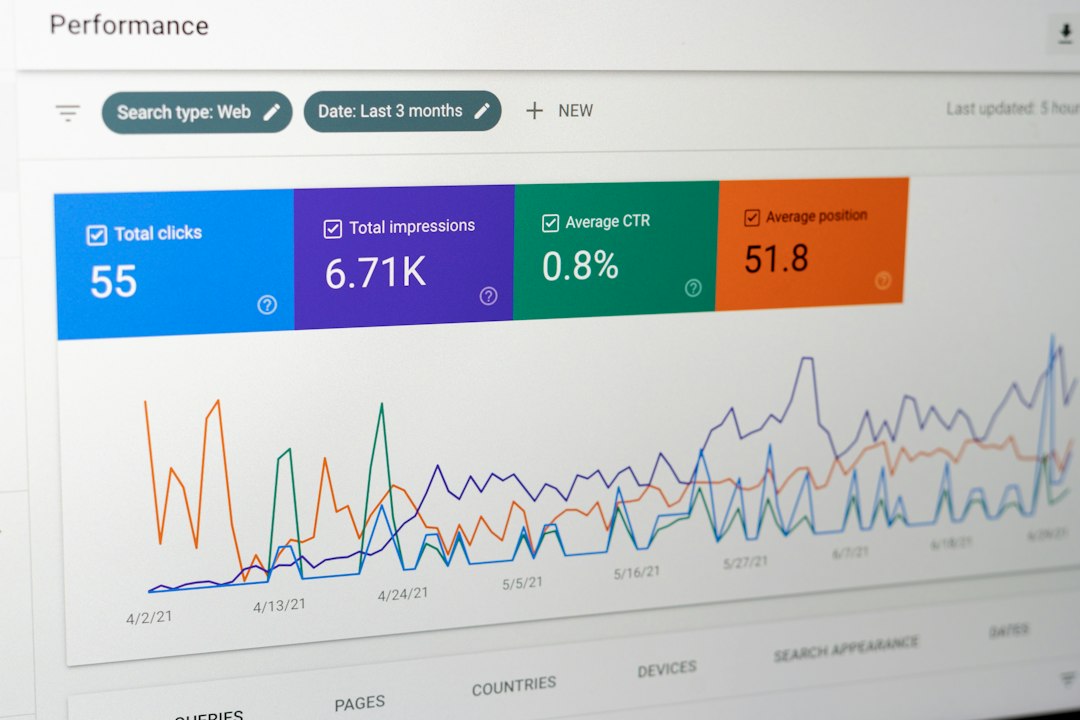
Paid ads can speed up acquisition, but they expose weak offers fast. Track more than clicks. Clicks do not pay invoices. Leads, sales calls, close rate, average order value, and payback period matter more.
For example, if you spend $2,000 on ads and get 100 leads, your cost per lead is $20. If 10 become customers, your cost per customer is $200. If each customer is worth $1,200 over time, the campaign may work. If each customer is worth $180, you have a problem.
Watch these numbers weekly:
- Cost per click: How much traffic costs.
- Landing page conversion rate: How many visitors become leads.
- Cost per qualified lead: How much a serious prospect costs.
- Close rate: How many leads become customers.
- Customer lifetime value: How much revenue one customer brings over time.
Turn referrals into a real channel
Referrals are often treated like luck. That is a mistake. Happy customers can become one of your best acquisition sources, but they need a prompt and a simple process.
Ask after a clear win. That might be after a successful project, a strong review, or a measurable result. Do not ask with a vague “know anyone?” message. Be specific.
Try this:
“We are looking to help three more boutique law firms improve client intake this quarter. If you know a firm that struggles with slow follow-up, would you feel comfortable introducing us?”
You can also offer referral rewards, but keep them simple. Credits, gift cards, service upgrades, or charitable donations can work. The best reward depends on your customer type and price point.
Capture leads with email and retargeting
Most prospects do not buy on the first visit. Some need days. Others need months. If you have no follow-up system, you are paying to introduce people to your brand once, then hoping they remember you. That is a lousy plan.
Use lead magnets to capture email addresses. Good options include templates, calculators, benchmark reports, checklists, samples, or short courses. Then send useful follow-up messages. Keep them practical. Share proof. Answer objections. Invite replies.
Retargeting ads can also bring people back after they visit your site. Keep the message relevant. Someone who viewed pricing should see proof and an offer to book a call. Someone who read a beginner guide may need educational content first.
Partner with businesses that already serve your audience
Partnerships can create reliable acquisition without huge ad spend. Look for companies that serve the same buyer but do not compete with you. A web designer might partner with a copywriter. A fitness studio might partner with a nutrition coach. A cybersecurity firm might partner with an IT consultant.
Good partnership ideas include:
- Co-hosted webinars.
- Guest newsletter features.
- Bundled offers.
- Referral agreements.
- Joint workshops or local events.

Shorten the path from interest to purchase
Acquisition is not only about getting attention. It is also about reducing friction. If booking a demo takes six clicks and a long form, expect drop-offs. If your pricing is hidden with no reason, buyers may leave. If follow-up takes two days, a competitor may win.
Speed matters. Respond to leads quickly, offer clear next steps, and remove dead ends from your website. Test forms on mobile too. It drives me crazy when a form works on desktop but takes 20 extra seconds on a phone because fields are tiny or broken.
Measure, cut, and improve
The best acquisition strategy is not the one with the most channels. It is the one you can measure and improve. Pick a few channels, set targets, and review results on a schedule.
Keep what brings qualified customers. Fix what shows promise. Cut what only creates noise. Growth comes from repeated improvements, not one magic campaign.
Your next step: choose one audience, one offer, and one main channel for the next 30 days. Track every lead. Ask every new customer how they found you. Then use the data to make the next month sharper.