
Computer networking is no longer just about plugging machines together and hoping data gets from point A to point B. It has evolved into a dynamic, software-driven ecosystem that supports cloud computing, artificial intelligence, remote work, and billions of connected devices. Understanding cutting-edge computer networking today means grasping not only how networks function, but also how they adapt, secure themselves, and scale at unprecedented speed.
TLDR: Modern computer networking combines high-speed hardware, intelligent software, and advanced security to move data efficiently and safely. Technologies like software-defined networking, cloud-native infrastructure, and Wi-Fi 6 have transformed how networks are designed and managed. Automation and artificial intelligence are increasingly handling optimization and troubleshooting. Mastering these trends is essential for anyone working with modern digital systems.
Foundations of Modern Computer Networking
At its core, computer networking is the practice of connecting devices so they can share information and resources. While this definition has not changed, the scale and complexity certainly have. Traditional networks relied heavily on fixed hardware configurations, but modern networks are more flexible, distributed, and intelligent.
Key concepts remain crucial to understanding advanced networking:
- Nodes: Devices such as computers, servers, and IoT sensors.
- Links: Wired or wireless connections that carry data.
- Protocols: Standardized rules that define how data is transmitted.
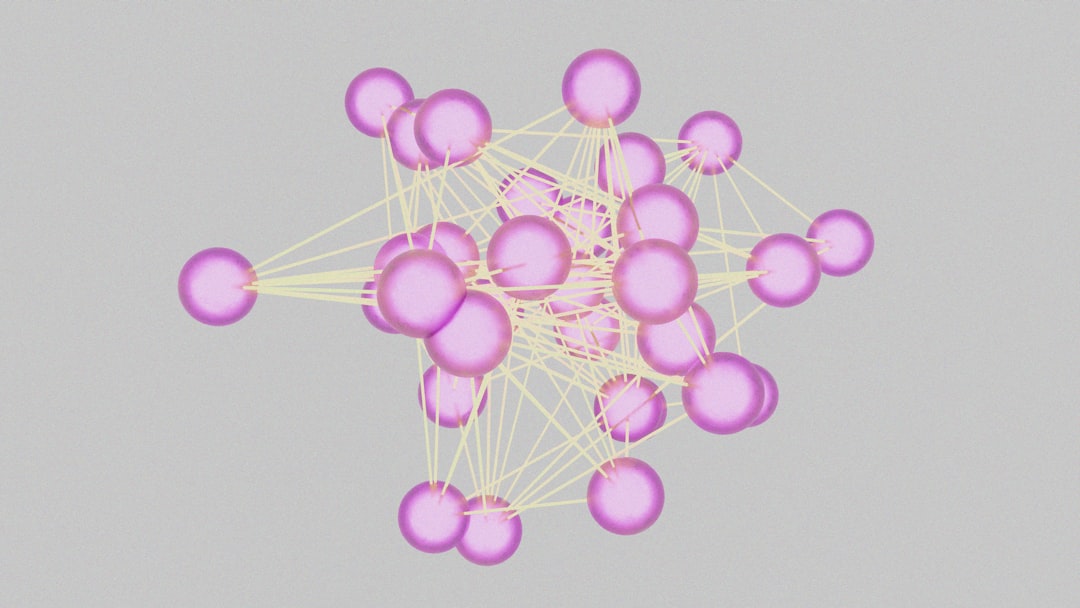
- Topology: The physical or logical layout of a network.
What has changed dramatically is how these elements are managed. Networks today must support real-time collaboration, massive data transfers, and near-zero downtime expectations.
High-Performance Networking Hardware
Cutting-edge networks still rely on powerful physical components. Switches, routers, and network interface cards have become faster and smarter, often capable of handling terabits of data per second. Modern devices use specialized hardware acceleration to process traffic efficiently without creating bottlenecks.
Some important trends in networking hardware include:
- High-speed Ethernet: 100 Gbps and 400 Gbps links are becoming common in data centers.
- Smart network cards: Offload security and processing tasks from servers.
- Edge devices: Bring computing and networking closer to users and sensors.
These advances ensure that physical infrastructure can keep pace with ever-growing data demands.
Software-Defined Networking and Virtualization
One of the most transformative innovations in computer networking is software-defined networking (SDN). SDN separates the control plane (decision-making) from the data plane (traffic forwarding), allowing administrators to manage networks using centralized software controllers.
Benefits of SDN include:
- Rapid configuration changes through software.
- Improved visibility into network performance.
- Better scalability for cloud and enterprise environments.
Alongside SDN, network virtualization enables multiple virtual networks to run on the same physical infrastructure. This approach supports multi-tenant clouds and allows organizations to isolate traffic for security and performance.
Evolving Networking Protocols
Protocols are the language of computer networks, and they continue to evolve. While foundational protocols like TCP/IP remain central, newer protocols aim to optimize performance, reliability, and security.
Examples of modern protocol advancements include:
- HTTP/3: Faster and more reliable web communication.
- QUIC: Reduced latency for streaming and real-time services.
- IPv6: Vastly expanded address space for global connectivity.
These protocols help support applications such as video conferencing, online gaming, and large-scale cloud services.
Wireless Networking and Mobility
Wireless networking has become just as critical as wired infrastructure. With the rise of smartphones, laptops, and IoT devices, networks must handle massive numbers of wireless connections while maintaining high performance.
Current wireless innovations include:
- Wi-Fi 6 and 6E: Higher speeds, lower latency, and better device density.
- 5G networking: Ultra-low latency for mobile and edge applications.
- Mesh networks: Improved coverage through interconnected access points.
These technologies enable seamless connectivity in smart homes, offices, and entire cities.

Network Security in a Connected World
As networks become more powerful, they also become more attractive targets. Cutting-edge computer networking places strong emphasis on security, embedding protection at every layer rather than treating it as an afterthought.
Modern network security strategies include:
- Zero Trust models: Never assume any device or user is trustworthy by default.
- Encryption everywhere: Protect data in transit and at rest.
- AI-driven threat detection: Identify anomalies in real time.
By integrating security into networking infrastructure, organizations can better protect sensitive data and maintain user trust.

Automation and Artificial Intelligence
Managing large networks manually is no longer practical. Automation tools and artificial intelligence are increasingly responsible for configuring devices, balancing traffic, and resolving issues before users notice them.
AI-powered networking can:
- Predict congestion and reroute traffic proactively.
- Detect hardware failures early.
- Optimize resource usage automatically.
This shift allows network engineers to focus on strategy and design instead of routine maintenance.
The Future of Computer Networking
Looking ahead, computer networking will continue to evolve alongside emerging technologies. Quantum networking, next-generation satellite networks, and deeper AI integration promise to reshape how data moves across the globe.
What remains constant is the importance of adaptability. The most successful networks will be those designed to evolve, scale, and secure themselves in an ever-changing digital landscape.
In mastering cutting-edge computer networking, you gain insight into the invisible systems that power modern life, from cloud services to smart cities. Understanding these networks is not just a technical skill, but a key to unlocking the future of connectivity.