
Imagine living in a city where everyone has a safe and affordable place to call home. Sounds nice, right? Today, many cities are struggling with housing problems. Rent is high, homes are scarce, and people are being pushed out. But there is hope! Through smart and creative urban planning, we can build better places for everyone.
TLDR (Too long, didn’t read):
Affordable housing is a growing issue in many cities, but smart solutions exist. With innovative urban planning, we can design more inclusive neighborhoods. Mixing housing types, using tiny homes, and rethinking zoning laws can make a big difference. Community input and green design also play key roles in shaping the future.
What Is Affordable Housing Anyway?
Affordable housing means people should not spend more than 30% of their income on a place to live. That includes rent or mortgage, plus utilities. But in many cities, people are spending way more than that. This puts pressure on families and keeps them from saving or thriving.
Why Cities Are Facing a Housing Crisis
There are many reasons:
- Population growth — More people, same space.
- Limited land — Especially in big cities.
- Old zoning laws — Rules that say what can be built and where. Often outdated.
- Rising construction costs — Materials, labor, etc.
It’s like trying to fit more and more items into a small box — something’s going to bend or break.
The Power of Urban Planning
Urban planning is like a blueprint for cities. It includes roads, parks, sidewalks, and yes — housing. When done right, it helps people live better lives.
Now let’s explore fun and simple ways urban planning can fix the housing crunch.
1. Make the Most of Space
One trick is building up instead of out. Think small apartment buildings instead of big houses on big lots. This way, more people can live in the same area without using more land.
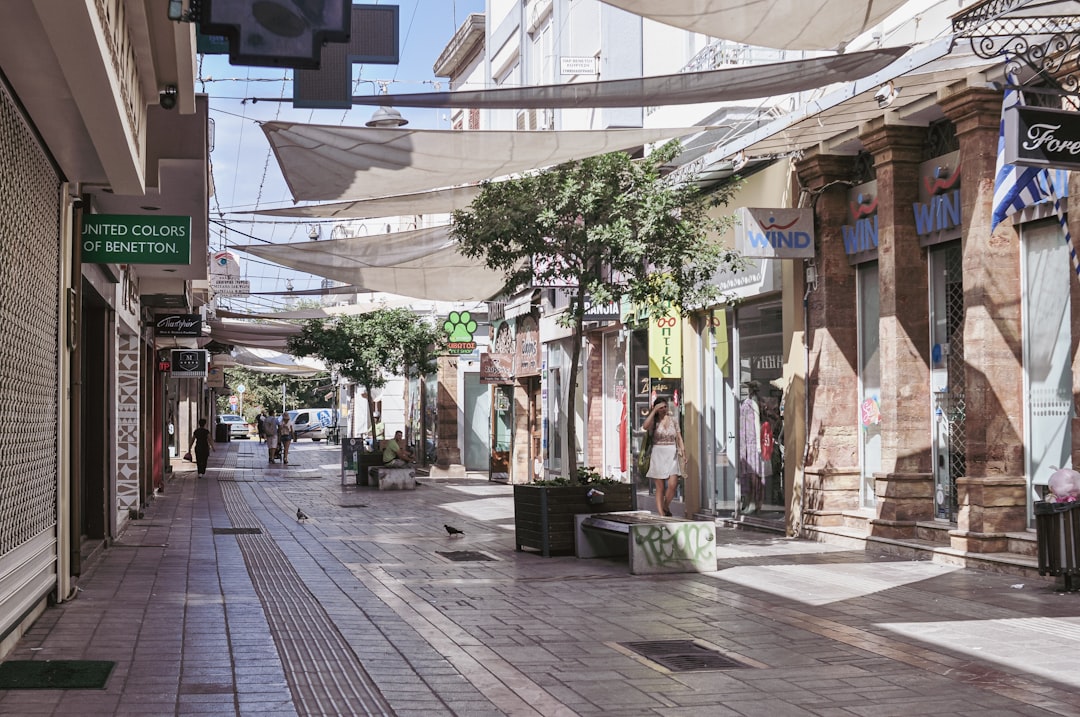
Another idea is mixed-use zones. These let you combine homes, shops, and workspaces in the same area.
- Walk downstairs to grab coffee.
- Work in the apartment next door.
- All without driving.
This setup saves time, money, and even reduces traffic.
2. Gentle Density
Ever heard of gentle density? It’s a friendly way to describe slight increases in how many homes can fit in neighborhoods. This includes:
- Duplexes — Two homes under one roof.
- Triplexes — Three units connected.
- Tiny homes — Small but cute and cozy.
- Granny flats — A second small home on a single property.
These options allow more people to live on one piece of land — without changing the “feel” of the neighborhood too much.
3. Adaptive Reuse: Turn Old Into Gold
Empty buildings can be a goldmine of opportunity. Instead of tearing them down, we can repurpose them into places to live. This is called adaptive reuse.
Think of:
- Old factories becoming trendy apartments.
- Empty office buildings transformed into homes.
- Shut-down malls used for shelters or temporary housing.
It’s like creative recycling — for buildings!
4. Zoning: Change the Rules
Zoning laws control what kinds of buildings go where. Often, they block affordable housing by limiting the number of units or types of buildings. Urban planners can work with governments to change these rules.
Some smart zoning ideas include:
- Inclusionary zoning — Developers must include affordable units in new projects.
- Upzoning — Allows taller or denser buildings in certain areas.
- Form-based codes — Focus on how buildings look, not just how many units they contain.
The right tweaks can open the door — literally — to more housing.
5. Public-Private Partnerships
When cities work with private businesses, great things can happen. These partnerships can pool resources and land to build affordable housing faster. The government adds land or funds, and the private side brings skills and money.
This method is great for larger projects and can speed up the development process.
6. Transit-Oriented Development (TOD)
People need to get around. Building housing near bus stops and train stations makes it easier to live without a car. This also cuts down on pollution and traffic.
Transit-Oriented Development means:
- More homes near public transport.
- Bike lanes, wider sidewalks, and fewer parking lots.
- A greener, friendlier city experience.
7. Community First
The best plans involve the people who live in the neighborhood. Residents know the area well and can share problems and ideas. When people feel heard, they get more involved and invested in the projects.
Here are some ways to include communities:
- Town hall meetings
- Surveys and polls
- Local committees
It’s not just about building places. It’s about building trust.
8. Green and Affordable? Yes, Please!
We can be eco-friendly and cost-conscious at the same time. Sustainable homes are good for the environment and save money in the long run.
Tips for green urban planning:
- Use solar panels for power.
- Plant rooftop gardens.
- Install efficient cooling and heating systems.
- Use recycled materials for construction.
Green housing is smart housing.
9. Tiny Homes = Big Impact
Tiny homes are growing in popularity. They take up less space, cost less, and are quick to build. Cities can set aside land for tiny home villages. These offer temporary or even long-term housing for people in need.
This is especially helpful for:
- Students
- Low-income families
- The elderly
- People experiencing homelessness
Final Thoughts: A Home for Everyone
No one wants a city full of empty luxury condos and people with nowhere to sleep. Urban planning gives us powerful tools to fix housing challenges. It doesn’t have to be expensive or complicated. With creativity and teamwork, we can create cities that welcome everyone — not just the wealthy.
Let’s plan better. Build smarter. And open more doors for our neighbors.