
Asbestos is a word that immediately raises concern for many, especially those who are aware of its health risks and prevalence in older buildings. In particular, asbestlint—a term used to describe loose asbestos fibers or particles—poses a silent threat. While often invisible to the naked eye, asbestlint can circulate in the air, putting individuals unknowingly at risk. This article will explain what asbestlint is, why it should be taken seriously, and what proactive steps people should take if they suspect or encounter it.
TLDR (Too Long; Didn’t Read)
Asbestlint refers to loose, airborne asbestos fibers that can be inhaled and lodge in the lungs, leading to serious health conditions like mesothelioma and asbestosis. Found most often in aging construction materials, it poses a heightened threat during renovations or demolitions. If you suspect your environment is contaminated, do not disturb the material—consult licensed asbestos professionals immediately. Awareness, early detection, and proper handling are your best defenses against this invisible hazard.
What Is Asbestlint?
Asbestlint is the Dutch term that translates to “asbestos dust” or “asbestos lint” in English. It refers to tiny, fibrous particles released when asbestos-containing materials (ACMs) deteriorate or are disturbed. Unlike intact asbestos materials, which may be relatively safe when left undisturbed, asbestlint becomes airborne and breathable, significantly increasing its danger to human health.
Common sources of asbestlint include:
- Old insulation materials
- Textured ceiling coatings
- Vinyl floor tiles and adhesives
- Roofing shingles and felts
- Heating duct insulation
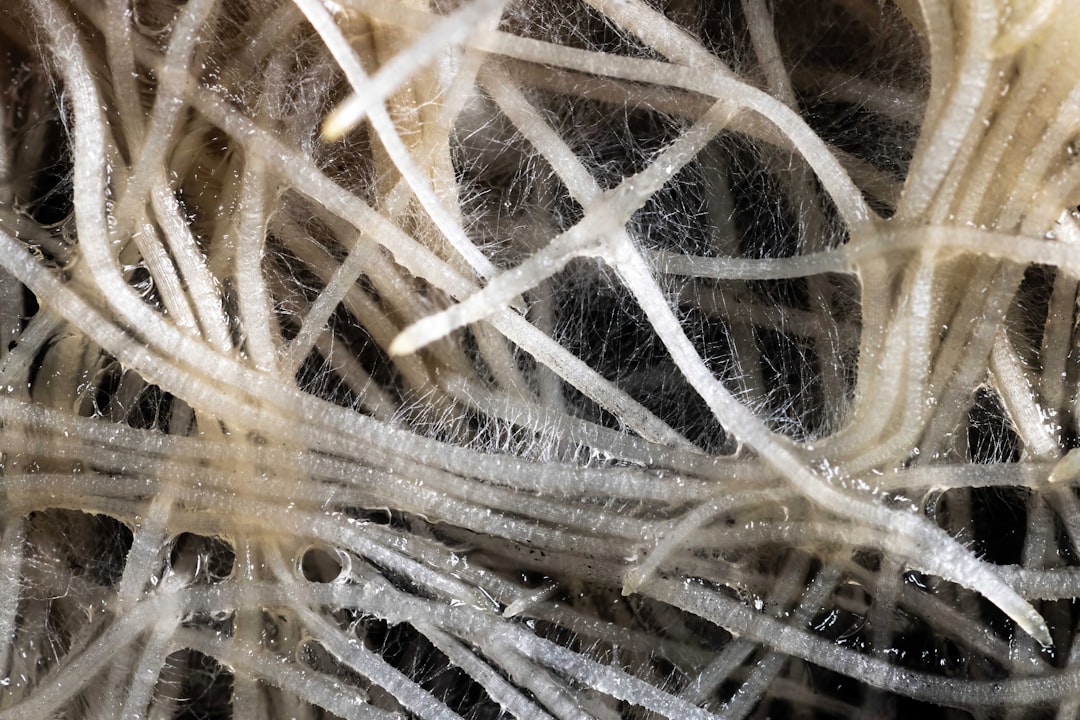
When these materials age, are damaged, or are improperly removed, microscopic fibers are released. These fibers can remain suspended in the air for extended periods and settle on surfaces where they can be reintroduced into the air by even minimal disturbances.
Why It Matters: The Hidden Dangers of Asbestlint
What makes asbestlint particularly dangerous is that it cannot be seen without specialized equipment. This invisibility gives a false sense of safety while the risk continues to grow. Once inhaled, asbestos fibers embed in the lungs and can lead to serious illnesses—even decades after the initial exposure.
Health Risks Associated With Asbestlint
The following are the primary diseases linked to the inhalation of asbestos fibers:
- Mesothelioma: A rare but aggressive cancer affecting the lining of the lungs and abdominal cavity. It is almost exclusively linked to asbestos exposure.
- Asbestosis: A chronic lung condition that causes scarring of lung tissue, leading to breathing difficulties.
- Lung Cancer: Long-term exposure increases the risk significantly, especially in individuals who also smoke.
- Pleural Thickening: A condition where the lining of the lungs thickens and swells, making it hard to breathe.
Unlike many chemical hazards that produce immediate symptoms, illnesses related to asbestlint typically emerge 10 to 40 years after exposure. This long latency period makes early detection difficult and reinforces the need for preventive measures.
Environmental and Regulatory Concerns
In many countries, including the Netherlands, strict asbestos regulations have been implemented due to these health risks. However, buildings constructed before the 1990s often still contain asbestos. These structures represent a ticking health time-bomb, especially during renovations or demolitions when asbestlint can be released indiscriminately.
It’s not just workers in construction who are at risk. Residents, office workers, and even schoolchildren can be unknowingly exposed if proper assessments are not conducted before renovation or maintenance work.
How to Identify and Confirm the Presence of Asbestlint
Identifying asbestlint without proper equipment and training is nearly impossible. Suspicion alone should be enough to warrant preventive action. The following indicators may suggest the presence of asbestos materials:
- Buildings constructed before 1994 (Europe) or 1980 (USA)
- Disintegrating insulation around pipes or boilers
- Cracking or powdery wall or ceiling tiles
- Floors with missing or curled tiles revealing fibrous backing
If you see suspicious materials, especially during demolition or renovation, it is important not to vacuum, sweep, or disturb them. Instead, you should hire an accredited asbestos surveyor who can safely test the environment and determine the presence of asbestlint.
What to Do If You Suspect Asbestlint
Dealing with asbestlint correctly involves multiple steps—each of which is critical for reducing risk and ensuring legal compliance. Here’s what you should do if you suspect asbestos contamination.
1. Stop Work Immediately
Do not continue any work—renovation, demolition, or cleaning—that could disturb the material further. Isolate the area if possible, and inform everyone nearby to vacate.
2. Contact a Licensed Asbestos Consultant
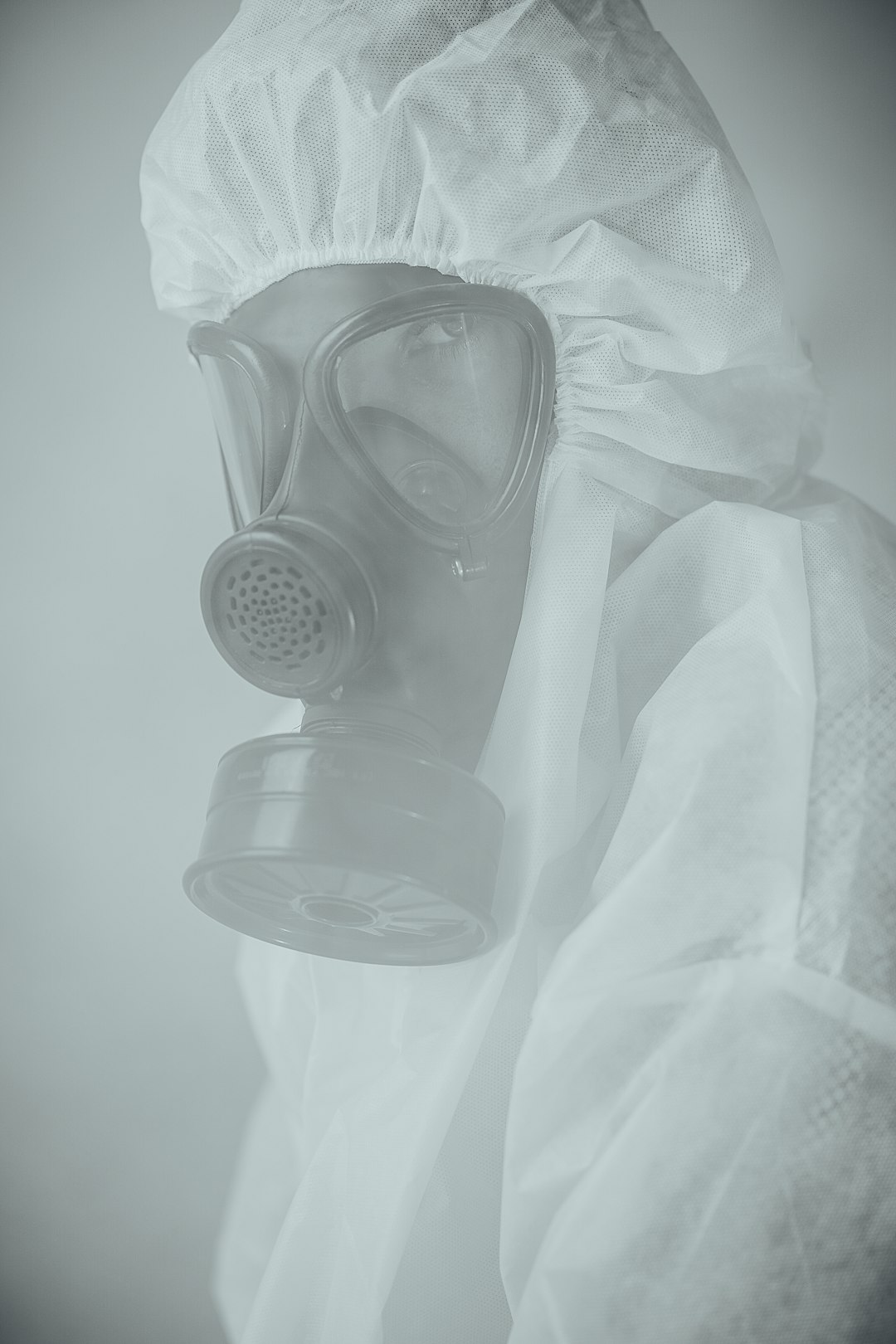
Only certified professionals should handle asbestos testing and removal. They have specialized tools and suits to safely collect samples without increasing exposure risk.
3. Conduct an Asbestos Survey
An asbestos survey assesses whether ACMs are present and provides recommendations on removal, encapsulation, or monitoring. Surveys can be:
- Management Surveys: For normal occupancy of a building
- Refurbishment/Demolition Surveys: Required before extensive work
4. Implement Proper Remediation
If asbestlint is confirmed, remediation may involve:
- Encapsulation: Sealing the material to prevent fiber release
- Removal: Complete extraction of asbestos material by professionals
- Air monitoring: Ensures the area is safe to re-enter after work is done
Trying to handle asbestos yourself, even if you’re just cleaning up dust, is extremely dangerous and often illegal.
Preventing Exposure Long-Term
Even if you’re not currently renovating or living in an older building, awareness and planning are key to avoiding future exposure. Many homeowners unknowingly disturb asbestos when updating insulation, tearing down walls, or installing new piping.
Steps you can take include:
- Before buying or renovating a home, request an asbestos inspection
- Educate workers and tenants about signs of asbestos risk
- Keep maintenance logs to track any known or suspected ACMs
- Use only licensed contractors for demolition or hazardous material handling
Prevention starts with education. The more you know about the dangers of asbestlint, the better you can protect yourself, your family, and your community.
Legal Implications of Asbestlint
Depending on your location, failure to manage asbestos safely can have legal ramifications, including fines, halted construction projects, and even criminal charges. Property owners and employers have a legal duty to assess the presence of asbestos and mitigate the associated risks.
In the European Union, strict laws require an asbestos survey for any building constructed before a specific year. In the United States, OSHA and the EPA regulate asbestos management under several federal statutes. Non-compliance is not only dangerous—it can be costly.
Final Thoughts
Although invisible and often underestimated, asbestlint is a significant public health threat that demands immediate and professional attention. Whether you own an older home, manage commercial property, or simply want to ensure your family’s safety, understanding the risks and taking responsible action can make all the difference.
Don’t wait until it’s too late. Assess your risks now and plan necessary inspections or remediation efforts. When it comes to asbestlint, vigilance isn’t just wise—it’s lifesaving.