
Pick Buffer if your B2B team needs clean scheduling and fast publishing; pick Hootsuite if you need approvals, monitoring, reporting, and multi-team control. For most B2B brands, the real win is not “posting more.” It is building a repeatable distribution system around LinkedIn, email, paid retargeting, sales enablement, and thought leadership. LinkedIn still matters most for many B2B teams, with 84% of B2B marketers saying it delivers the best value among organic social platforms [source: Content Marketing Institute].
TLDR: Buffer is better for lean teams that want simple scheduling, quick approvals, and a calmer workflow. Hootsuite is better for larger B2B teams that need social listening, permission controls, campaign reporting, and inbox management across channels. For example, a 12-person SaaS team publishing 45 posts per month may save 4–6 hours weekly with Buffer, while an enterprise team managing 8 product pages and 3 regions will likely gain more from Hootsuite’s governance tools. If your LinkedIn posts drive 70% of demo requests, choose the platform that gives you the clearest view of post, click, and conversion data.
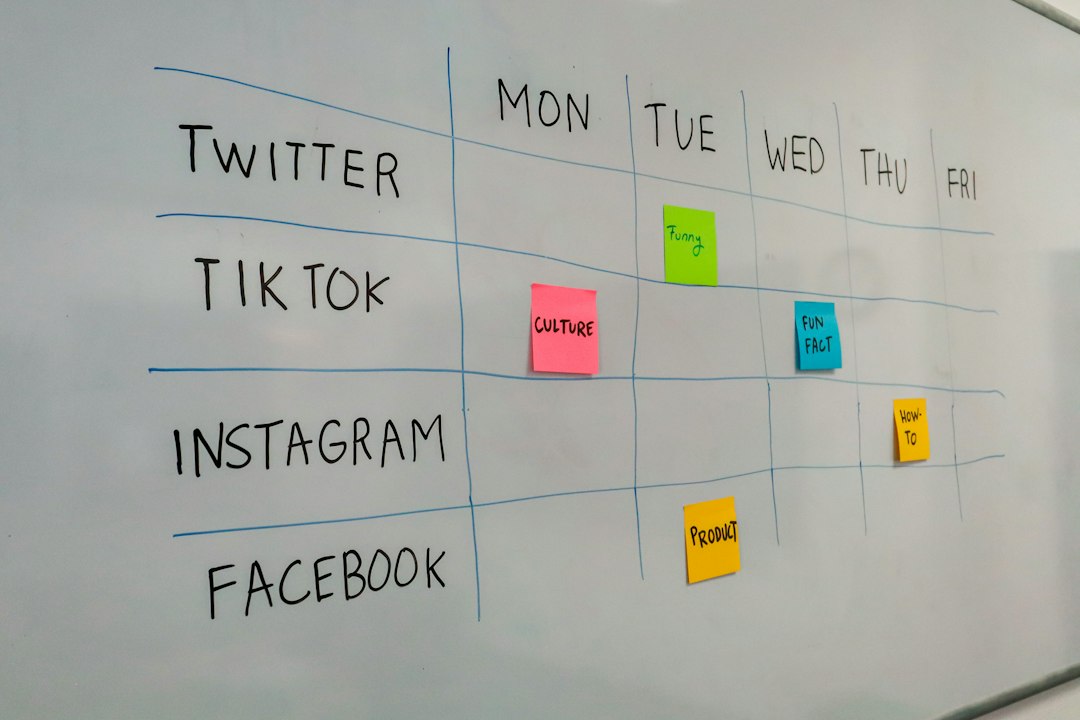
Buffer vs. Hootsuite: the quick B2B fit
Buffer feels lighter. It is easier to set up, easier to teach, and less intimidating for small marketing teams. You can build queues, schedule posts, review basic performance, and keep campaigns moving without needing a training session every time someone joins the team.
Hootsuite feels broader. It handles more social activity in one place. That includes publishing, monitoring, engagement, approvals, analytics, and team permissions. The tradeoff is complexity. Honestly, it feels like Hootsuite sometimes asks you to open three panels to do what should take one click.
That difference matters in B2B. Your content cycle is not random. A single report might turn into a LinkedIn carousel, founder post, webinar invite, sales email, customer story, and paid ad. The tool should support that chain, not slow it down.
Where Buffer wins
- Simple scheduling: Buffer is great for planning posts across LinkedIn, X, Facebook, Instagram, TikTok, and other channels without clutter.
- Fast adoption: New team members can usually understand the calendar in minutes.
- Good for founder-led content: If your CEO or subject matter experts post often, Buffer keeps the process neat.
- Lower operational drag: Small teams can move from draft to scheduled post quickly.
Buffer works best when your B2B distribution plan is focused. Think one main company LinkedIn page, two or three executive profiles, a newsletter, and a blog. It is not trying to be a full command center, and that is part of its appeal.
The catch is reporting. Buffer gives you useful engagement data, but advanced attribution can feel thin if you need to connect social posts to pipeline, revenue, or account activity. You will likely need UTM links, Google Analytics, HubSpot, Salesforce, or another CRM to complete the picture.
Where Hootsuite wins
- Team governance: Hootsuite is stronger for approval flows, permissions, and multi-user publishing.
- Monitoring: Streams help teams track mentions, keywords, competitors, and customer conversations.
- Reporting depth: It offers richer dashboards for teams that report to executives every month.
- Customer engagement: Social inbox features help when prospects and customers interact across several accounts.
Hootsuite fits B2B companies with more moving parts. That includes enterprise software firms, agencies, manufacturers, consultancies, and global teams. If legal, product marketing, demand gen, and sales all touch content, approval workflows become more than “nice to have.” They prevent mistakes.
Expect to waste time on setup, though. Hootsuite has more menus and more options. That power is useful, but only if someone owns the system. Without clear rules, it becomes a crowded control room.

How to choose for B2B content distribution
Do not choose based only on feature lists. Choose based on your distribution model. Ask these questions:
- How many people publish content? If it is one to three people, Buffer may be enough. If it is ten or more, Hootsuite may be safer.
- How many approvals are needed? Light review works fine in Buffer. Formal approvals favor Hootsuite.
- How much listening do you need? If you track competitor launches, event hashtags, and customer issues, Hootsuite has the edge.
- How deep must reporting go? If leadership expects campaign dashboards by region, product, and channel, Hootsuite is stronger.
- How mature is your attribution setup? If you already use UTMs and CRM tracking, either tool can support a good system.
Build a better B2B distribution strategy with either tool
The tool is only the container. The process creates results. Start with one source asset each week. That might be a research note, webinar clip, customer insight, product update, or opinion from a senior leader.
Then break it into smaller pieces:
- 1 primary LinkedIn post from the company page
- 2 executive posts with personal opinions
- 1 short video or carousel for visual engagement
- 1 newsletter mention with a clear call to action
- 1 sales enablement snippet for reps to send to prospects
- 1 retargeting ad for people who visited key pages
This is where Buffer can shine. Its clean calendar helps you space posts across the week. You can avoid the classic mistake of dumping every asset on Tuesday morning, then going silent for six days.
Hootsuite can shine when more teams are involved. Product marketing can draft. Legal can approve. Regional teams can adapt copy. Demand gen can track performance. Sales can watch comments for prospects asking buying questions.
Metrics that actually matter
Likes are fine, but they are not enough. B2B content distribution should be measured by intent and movement. Track these metrics:
- Click-through rate: Are readers moving from social to owned channels?
- Engaged visits: Are visitors staying longer than 30 seconds?
- Conversion assists: Did social touch demo requests, trials, or event signups?
- Audience quality: Are the right job titles engaging?
- Content reuse rate: How many assets came from one original idea?
A practical benchmark helps. If one technical report creates 12 social posts, 2 email sections, 1 webinar topic, and 3 sales snippets, your distribution engine is working. If it becomes one lonely LinkedIn post, the process is broken.
The best choice by team type
- Startup marketing team: Choose Buffer. You need speed, not heavy process.
- Founder-led SaaS brand: Choose Buffer. It is easier to support personal posting and thought leadership.
- Mid-market B2B company: Choose based on approvals. Light process means Buffer. Formal process means Hootsuite.
- Enterprise team: Choose Hootsuite. Permissions, reporting, and monitoring matter more at scale.
- Agency managing B2B clients: Hootsuite is often stronger, especially when clients need separate workflows and reports.
Final recommendation
If your biggest problem is consistency, choose Buffer. It will help your team publish on schedule, reuse ideas, and keep the calendar under control.
If your biggest problem is coordination, choose Hootsuite. It will help you manage teams, approvals, monitoring, and reporting in a more structured way.
The best B2B content distribution strategy is not built around a tool. It is built around a clear rhythm: create once, adapt many times, publish with purpose, track what moves buyers, and cut what does not. Buffer makes that rhythm easier for lean teams. Hootsuite makes it safer for larger ones.