
Digital media buying sounds like a secret club for ad people with too many dashboards. Good news. It is not. It is simply the process of buying ad space online so the right people see your message at the right time.
TLDR: Digital media buying is how brands buy online ads across websites, search engines, social media, apps, video platforms, and more. A good strategy starts with clear goals, a defined audience, and the right platforms. The best campaigns are tested, tracked, and improved often. Think of it like renting the best billboard, but the billboard can follow your audience around the internet.
What Is Digital Media Buying?
Digital media buying means purchasing digital ad placements. These placements can appear almost anywhere online. You may see them while scrolling social media. You may see them before a video. You may see them at the top of Google. You may even see them inside a game app while waiting for your next move.
In simple terms, media buying answers three big questions:
- Who should see the ad?
- Where should the ad appear?
- How much should you pay?
The goal is not just to “get views.” That sounds nice, but views alone do not pay the bills. The real goal is to reach people who may click, sign up, buy, download, book, or remember your brand.

Media Buying vs. Media Planning
These two terms often travel together. Like peanut butter and jelly. Or coffee and panic.
Media planning happens first. It is the thinking part. You decide your audience, message, budget, timing, and channels.
Media buying comes next. It is the action part. You buy the placements, launch the ads, manage bids, and watch performance.
A media plan says, “We want to reach busy parents who shop online.” Media buying says, “Great. Let’s buy Instagram, YouTube, Google Search, and parenting site placements.”
Start With a Clear Goal
Before buying ads, pick your goal. This is your campaign’s GPS. Without it, your budget may wander into the woods.
Common digital advertising goals include:
- Brand awareness: Get more people to know your name.
- Traffic: Send people to your website or landing page.
- Leads: Collect emails, forms, calls, or demo requests.
- Sales: Drive purchases online or offline.
- App installs: Get people to download your app.
- Retargeting: Bring back people who already visited your site.
Each goal needs a different setup. If you want sales, optimize for purchases. If you want awareness, optimize for reach or video views. Do not ask a fish to climb a tree. Do not ask a brand awareness campaign to act like a sales machine on day one.
Know Your Audience
Great media buying starts with real humans. Not vague ideas. “Everyone” is not an audience. It is a budget-eating monster.
Define your audience with simple details:
- Age range
- Location
- Interests
- Search behavior
- Buying habits
- Device use
- Problems they want solved
For example, a gym brand may target people within five miles of a location. A software company may target managers searching for productivity tools. A baby product brand may target new parents watching “how to swaddle” videos at 2 a.m.
The better you understand your audience, the less money you waste. Simple as that.
Popular Digital Media Buying Platforms
There are many places to buy digital ads. Each one has a different superpower.
1. Google Ads
Google Ads includes search, display, shopping, YouTube, and app campaigns. It is powerful because it catches intent. If someone searches “best running shoes for beginners,” they are already interested. That is a warm lead. Maybe even a sweaty one.
2. Meta Ads
Meta includes Facebook, Instagram, Messenger, and Audience Network. It is great for visual ads, interest targeting, retargeting, and ecommerce. It works well when your product looks good or tells a strong story.
3. TikTok Ads
TikTok is fast, creative, and trend-driven. It is great for brands that can be playful. Ads that feel too polished may flop. Ads that feel real often win. Think less “corporate speech” and more “friend showing you something cool.”
4. LinkedIn Ads
LinkedIn is strong for business-to-business campaigns. You can target job titles, industries, company sizes, and seniority. It can be expensive. But for high-value B2B leads, it can be worth it.
5. Programmatic Display
Programmatic buying uses technology to buy ad space across many websites and apps. It happens through automated auctions. Very fast. Very nerdy. Very useful when managed well.
6. Amazon Ads
Amazon Ads are helpful for ecommerce brands. People on Amazon are often close to buying. That makes the platform powerful for product discovery and sales.
How Digital Media Buying Works
Most digital ads are bought through auctions. You set a bid. Other advertisers bid too. The platform decides which ad gets shown.
But it is not always just about the highest bid. Platforms also care about ad quality, relevance, expected clicks, landing page experience, and user behavior. In other words, money helps. But bad ads still have bad manners.
Common pricing models include:
- CPM: Cost per 1,000 impressions. Good for awareness.
- CPC: Cost per click. Good for traffic.
- CPA: Cost per action. Good for leads or sales.
- CPV: Cost per video view. Good for video campaigns.
Pick the model that matches your goal. If you want people to watch a video, CPV makes sense. If you want purchases, CPA or conversion-focused bidding may be better.
Build a Smart Budget
You do not need a giant budget to start. You need a smart one. Start small. Test. Learn. Then scale what works.
A simple budget plan may look like this:
- 70% on proven campaigns
- 20% on new audiences or messages
- 10% on bold experiments
This keeps your campaign stable, but still gives it room to grow. It is like feeding the reliable horse, while also checking if the tiny rocket pony can fly.
Create Ads People Actually Like
Media buying cannot save boring creative forever. The ad matters. A lot.
Use clear images, simple copy, and one strong message. Do not cram five ideas into one ad. People scroll fast. Your ad has about two seconds to avoid becoming invisible wallpaper.
Strong ads usually have:
- A clear benefit
- A strong visual
- A simple headline
- A direct call to action
- A landing page that matches the ad
If your ad says “Get 30% off,” the landing page should show that offer right away. Do not make people hunt. Online users have the patience of a cat near bathwater.
Track the Right Metrics
Tracking tells you what is working. It also tells you what is quietly stealing your money.
Useful metrics include:
- Impressions: How many times your ad was shown.
- Reach: How many people saw it.
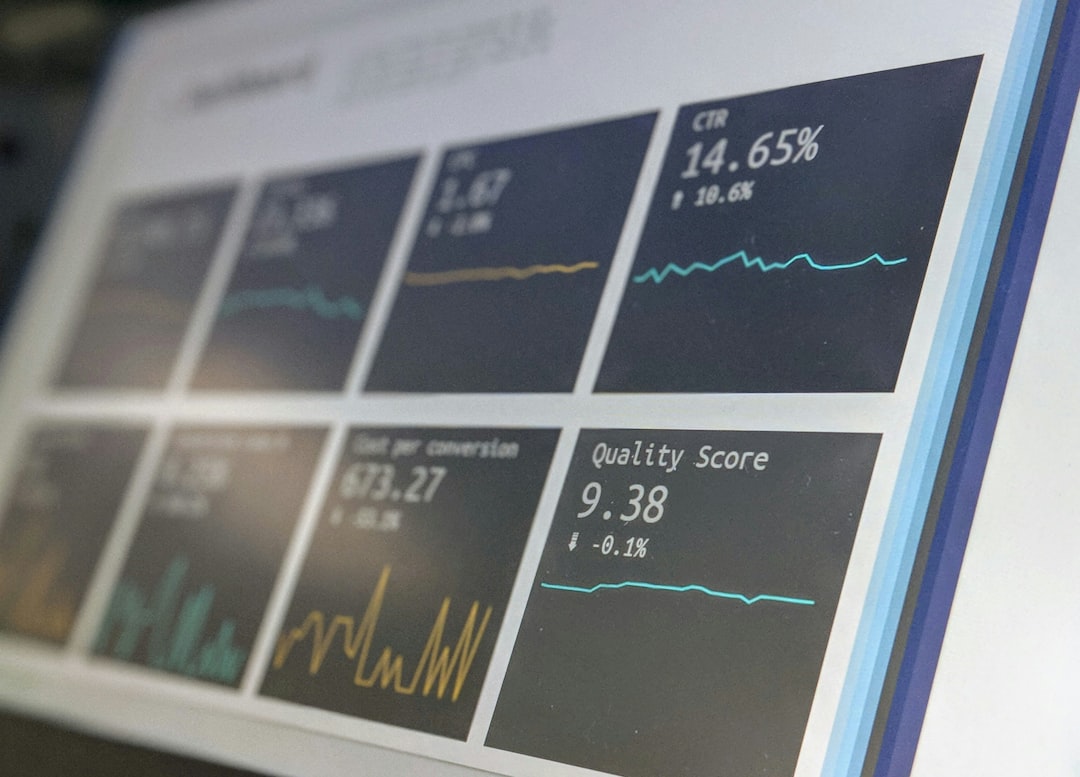
- CTR: The percentage of people who clicked.
- Conversion rate: The percentage who took action.
- CPA: How much each action cost.
- ROAS: Revenue earned for each ad dollar spent.
Do not obsess over one metric alone. A high click rate is nice. But if no one buys, something is wrong. Maybe the landing page is weak. Maybe the offer is unclear. Maybe the audience is curious, but not ready.
Test, Learn, Improve
Digital media buying is not “set it and forget it.” It is more like cooking soup. You taste it. You adjust it. You add a little spice. You stop before it turns into lava.
Test things like:
- Headlines
- Images
- Videos
- Audiences
- Offers
- Landing pages
- Calls to action
Run tests long enough to collect useful data. Do not panic after one bad day. Also, do not ignore ten bad days. Balance patience with common sense.
Best Practices for Better Results
- Match platform to goal. Search is great for intent. Social is great for discovery.
- Use retargeting. People often need reminders before they buy.
- Keep creative fresh. Old ads get tired. Audiences do too.
- Watch frequency. Showing the same ad too often can annoy people.
- Optimize landing pages. Fast, clear pages convert better.
- Use clean tracking. Bad data leads to bad decisions.
- Review results often. Weekly checks can save a lot of money.
Final Thoughts
Digital media buying is part art, part math, and part detective work. You need strategy. You need good creative. You need data. And yes, you need a little courage to test new things.
Start with a clear goal. Pick the right audience. Choose the best platforms. Track what matters. Then improve step by step.
Do that, and digital media buying becomes much less scary. It becomes a smart way to help your brand show up, stand out, and grow online.