
Throughout the long arc of artistic history, certain materials have endured not merely as tools, but as silent partners in human expression. Among these, Gessolini stands out as a versatile and resilient medium whose evolution reflects broader developments in art, architecture, and restoration. From its ancient roots to its contemporary reinvention, Gessolini has maintained a reputation for durability, adaptability, and aesthetic refinement. Its history is closely interwoven with the technical advancements and cultural aspirations of the societies that embraced it.
TLDR: Gessolini is a timeless artistic and architectural medium with deep historical roots and enduring relevance. Originating in early plaster and ground preparations, it evolved alongside major artistic movements, from Renaissance panel painting to modern mixed media practices. Its adaptability, strength, and smooth surface qualities have made it essential for painters, sculptors, and conservators alike. Today, Gessolini continues to bridge tradition and innovation in both fine art and restoration.
Origins in Antiquity
The origins of Gessolini can be traced to ancient plaster traditions in Mediterranean and Near Eastern cultures. Early artisans discovered that mixing mineral powders—such as gypsum or chalk—with animal-based binders created a workable substance that could harden into a smooth, stable surface. These early formulations were used for:
- Preparing walls for fresco painting
- Coating wooden panels
- Creating decorative architectural reliefs
- Sealing and stabilizing porous materials
While the precise term “Gessolini” is of later origin, the material principles behind it reflect the ancient craft of gesso preparation, a foundational process in artistic creation. Egyptian sarcophagi, Greek architectural elements, and Roman frescoes all relied on similar compounds to create luminous, enduring surfaces.
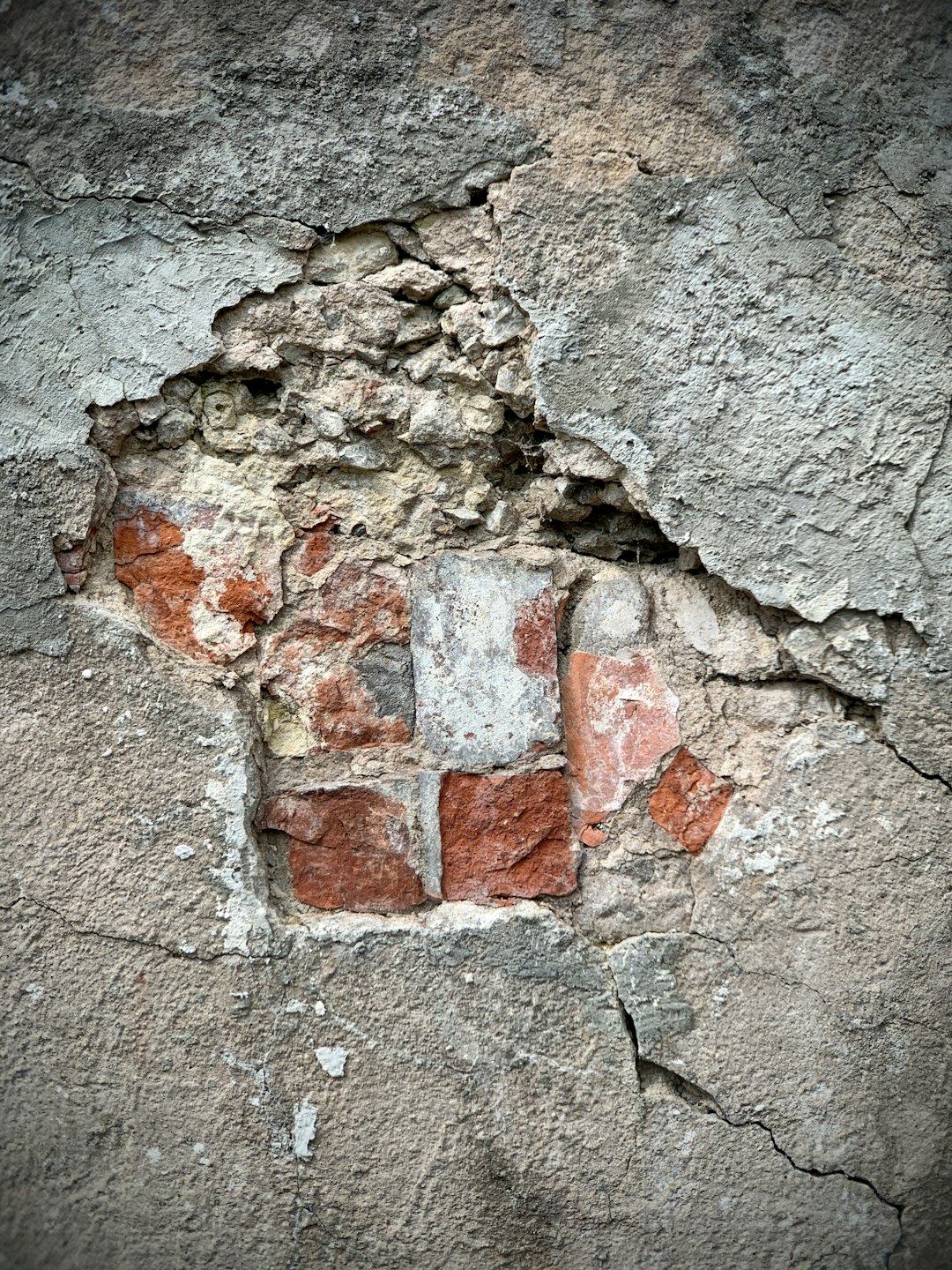
In these early contexts, Gessolini-like materials were prized not only for their smoothness but also for their ability to bond effectively with pigments and decorative elements. Without such preparatory layers, many of the murals and painted panels that define classical antiquity would not have survived.
The Medieval Refinement
The medieval era marked a turning point in the technical sophistication of Gessolini. As panel painting rose to prominence in Europe, particularly in religious contexts, artists required immaculate painting grounds. Wooden panels were first sealed with layers of size—often rabbit skin glue—before multiple applications of gesso were brushed on.
This layered structure served several vital functions:
- Preventing paint from soaking into the wood
- Minimizing cracking due to wood movement
- Providing a luminous white base for tempera and gold leaf
- Creating a surface capable of intricate incisions and embossing
The precision of medieval craftsmen elevated Gessolini from a utilitarian coating to an art form in itself. Skilled artisans sanded and polished the surface to extraordinary smoothness, achieving finishes that reflected light with subtle brilliance. In illuminated manuscripts and altarpieces, this preparatory ground enhanced both color vibrancy and the radiance of gilded elements.
The Renaissance Breakthrough
During the Renaissance, the use of Gessolini expanded and matured alongside revolutionary developments in painting. Artists such as Leonardo da Vinci and Michelangelo depended on carefully prepared grounds to realize their complex compositions. The smoother and more stable the surface, the greater the control over detail and shading.
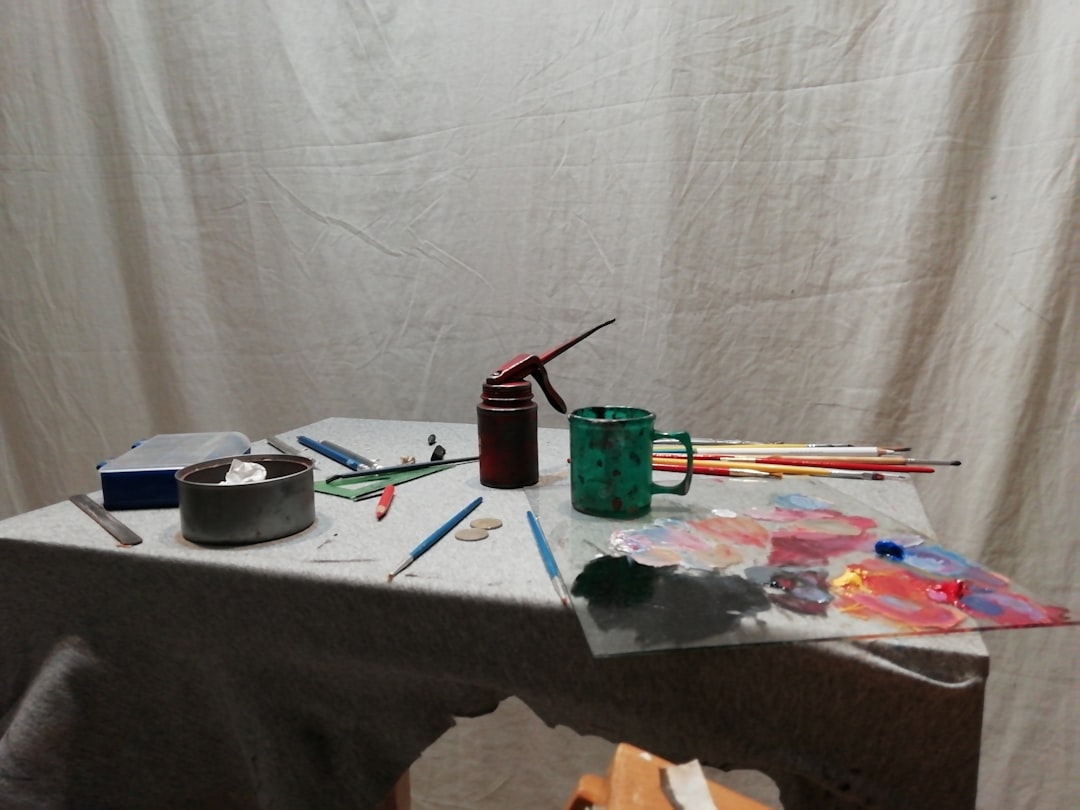
Gessolini’s contribution to Renaissance art can be summarized in three primary advances:
- Technical Reliability: It reduced surface irregularities, allowing for finely rendered anatomical studies and perspective work.
- Enhanced Luminosity: The bright underlayer intensified transparent glazes and delicate tonal transitions.
- Architectural Applications: Beyond painting, it was also used in decorative moldings and ornamental relief work.
This period cemented the material’s status as indispensable. Even as oil painting gradually replaced tempera, the importance of a stable underlayer remained unchanged.
Industrialization and Modern Adaptation
The Industrial Revolution introduced significant modifications to traditional Gessolini formulations. Mechanized production allowed for standardized mixtures and new binding agents. Synthetic polymers eventually supplemented—and sometimes replaced—animal glues, resulting in:
- Greater flexibility
- Improved resistance to humidity
- Faster drying times
- Consistency across batches
With the advent of acrylic paints in the 20th century, modern gesso products—closely related to classical Gessolini—became more accessible to artists at all levels. These contemporary variations maintained the essential characteristics of the traditional medium while accommodating evolving artistic practices.

In modern art studios, Gessolini is no longer confined to wood panels or sacred themes. It is applied to canvas, paper, board, and even unconventional surfaces such as metal and plastic. This expansion underscores its adaptability in an era defined by experimentation.
Material Composition and Properties
At its core, Gessolini is defined by the interaction between mineral content and binder. Though formulations vary, the fundamental components typically include:
- Calcium carbonate or gypsum: Provides body and opacity.
- Binder: Traditionally animal glue; now often acrylic polymer.
- Water: Ensures workable consistency.
- Additives: Improve flexibility, adhesion, or texture.
The properties that have ensured its longevity include:
- Adhesion: Strong bonding with substrates.
- Sandability: Ability to achieve ultra-smooth finishes.
- Absorbency: Controlled pigment reception.
- Durability: Long-term structural stability.
These technical strengths explain why Gessolini remains vital in both traditional craftsmanship and contemporary creative industries.
Role in Conservation and Restoration
Perhaps one of the most serious and respected applications of Gessolini today lies in art conservation. When restoring historical paintings or architectural features, conservators must carefully match the density, color, and chemical behavior of original ground layers. Modern conservation science often relies on historically accurate gesso reconstructions.
This process demands:
- Scientific analysis of original materials
- Reversible or stable binding agents
- Exact replication of texture and porosity
In such contexts, Gessolini is not merely a background material—it is a structural component critical to the artwork’s survival. A poorly matched restoration layer can compromise centuries of cultural heritage. For this reason, institutions and conservators approach its preparation with rigorous discipline.
Contemporary Innovation
Despite its classical pedigree, Gessolini continues to evolve. Contemporary artists exploit its textural possibilities by incorporating aggregates such as sand or marble dust. Others manipulate it to create raised patterns, incised designs, or sculptural surfaces before applying paint.
In addition, technological research has produced:
- Eco-friendly formulations with reduced volatile compounds
- Flexible mixtures suitable for mixed media installations
- High-adhesion primers for industrial and digital arts applications
These innovations expand its scope beyond traditional fine art into design, installation, and experimental expression. Yet even in these modern iterations, the essential philosophy remains unchanged: prepare the surface well, and the final work will endure.
Cultural and Symbolic Significance
The endurance of Gessolini across millennia speaks to something deeper than technical utility. It represents preparation, foundation, and intention. Before color, before narrative, before ornament—there is groundwork. Artists across cultures have understood that stability and clarity begin below the visible layer.
This symbolic dimension reinforces its timelessness. Just as architecture requires a solid base, artistic vision depends on a disciplined preparation process. In this sense, Gessolini embodies the principle that excellence is built upon unseen craftsmanship.
Conclusion
The history and evolution of Gessolini reveal a material both humble and transformative. Emerging from ancient plaster traditions, refined through medieval devotion, perfected in Renaissance studios, and modernized through industrial chemistry, it has adapted without losing its core identity. Its technical strengths—adhesion, luminosity, and structural integrity—have secured its place in artistic practice and architectural decoration alike.
Today, whether in the careful restoration of a centuries-old altarpiece or the bold textures of a contemporary canvas, Gessolini continues to perform its foundational role. Its story reminds us that artistic achievement depends not only on inspiration but on disciplined preparation. As long as creators seek durable, luminous surfaces upon which to build their visions, this timeless medium will remain indispensable.