
Free SEO checkers are everywhere. With just a URL and a click, they promise to reveal what’s wrong with your website, how to fix it, and sometimes even how to outrank your competitors. For small businesses, bloggers, and startups operating on tight budgets, these tools feel like a shortcut to search visibility. But how accurate are they really? And more importantly, how much should you trust them?
TLDR: Free SEO checkers can be helpful for identifying basic issues like missing meta tags, broken links, and slow loading speeds. However, their insights are often surface-level, automated, and sometimes outdated. They lack the nuanced analysis and context that paid tools or human experts provide. Use them as starting points—not final verdicts.
What Free SEO Checkers Actually Do
Most free SEO checkers rely on automated crawlers that scan your site the same way a search engine bot would. They analyze technical elements and compare your site against a set of standardized best practices.
Typically, they evaluate:
- On-page SEO: Title tags, meta descriptions, header structure, keyword usage
- Technical SEO: Page speed, mobile responsiveness, indexing issues
- Content factors: Word count, keyword density, readability
- Backlinks: Quantity and sometimes quality of external links
- Basic security: HTTPS status

At their core, these tools operate on checklists. If your page has a meta description of recommended length, you get a green checkmark. If not, you get a warning. This makes them fast and accessible—but also limited.
Where Free SEO Checkers Are Surprisingly Accurate
Despite their limitations, free SEO checkers can be very accurate in certain areas—especially when measuring objective, technical factors.
1. Technical Errors
When it comes to identifying:
- Broken links
- Missing title tags
- Duplicate meta descriptions
- Incorrect redirects
Free tools are often spot-on. These are binary issues—either they exist or they don’t. Automated systems handle them effectively.
2. Page Speed Metrics
Many free checkers pull data from reputable sources or use standardized performance measurements. Load time, server response time, and image compression data are typically reliable.
3. Mobile Friendliness
Responsive design issues are usually easy to detect. Tools can accurately flag elements that don’t fit screens properly or content that overflows.
In these areas, free SEO checkers function like a diagnostic scanner—they clearly identify mechanical problems.
Where Accuracy Starts to Break Down
The problems begin when SEO moves beyond simple checklists.
1. Keyword Analysis Without Context
Many free tools still emphasize keyword density, implying that precise percentages influence rankings. Modern search engines rely on semantic understanding rather than strict keyword repetition.
A free checker might warn you:
- “Primary keyword appears only 0.8% of the time.”
But that doesn’t necessarily mean your page is under-optimized. It might already rank well due to relevance, authority, and user engagement.
2. Oversimplified Scoring Systems
One common feature is the “SEO score” out of 100. While visually satisfying, this number can be misleading.
Why?
- It weighs minor issues equally with major ones.
- It ignores competition level.
- It lacks industry context.
A website might score 85/100 and still have weak rankings in a competitive niche. Another might score 65 but dominate a local market.
3. Backlink Data Limitations
Backlink accuracy depends heavily on the size of a tool’s link index. Free tools often have smaller databases, meaning:
- They may miss valuable backlinks.
- They may underreport link strength.
This can create a distorted perception of your authority compared to competitors.
AI and Automation: Smarter, But Not Perfect
Some modern free SEO checkers incorporate machine learning to analyze content quality, readability, and keyword intent. While this is a step forward, it still lacks human nuance.
Automated systems struggle to assess:
- User intent alignment
- Brand voice consistency
- Trustworthiness of messaging
- Expertise and authority signals
For example, a medical article written by a certified doctor and one written by a freelance writer may appear structurally identical to an SEO checker. However, search engines increasingly prioritize E-E-A-T (Experience, Expertise, Authoritativeness, Trustworthiness)—factors free tools often cannot evaluate properly.
Common Free SEO Checkers Compared
Not all free tools are created equal. Here’s a simplified comparison highlighting typical strengths and weaknesses.
| Tool Type | Technical Accuracy | Keyword Insights | Backlink Data | Overall Depth |
|---|---|---|---|---|
| Basic Website Audit Tools | High | Basic Density Focus | Limited | Surface Level |
| Free Versions of Premium Suites | High | Moderate | Limited Samples | Moderate |
| Browser-Based SEO Extensions | Moderate | Basic On-Page Only | Minimal | Quick Snapshot |
| AI Writing Assistants with SEO Features | Moderate | Semantic Suggestions | Rarely Included | Content-Focused Only |
As shown above, the most reliable area for free tools is technical auditing. The least reliable tends to be competitive and authority analysis.
Why Results Can Differ Between Tools
Have you ever run your site through two different SEO checkers and received completely different scores?
This happens because each tool:
- Uses its own scoring algorithm
- Prioritizes different ranking factors
- Has access to different data sources
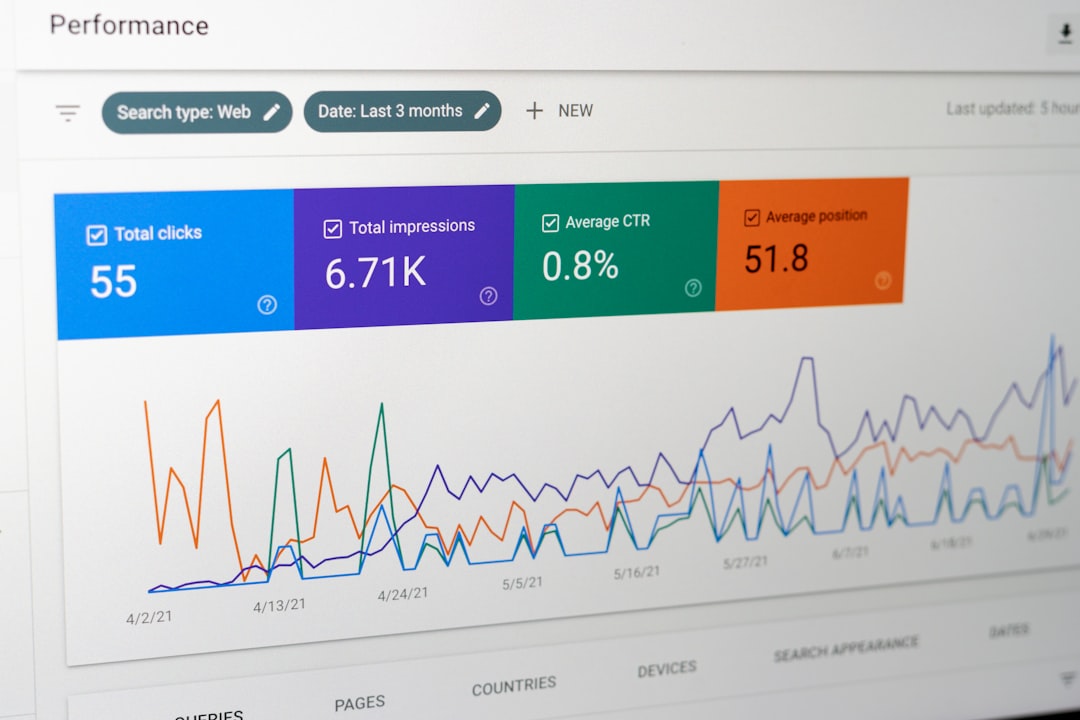
One tool may penalize you heavily for missing alt text. Another might focus more on content length. Neither is necessarily wrong—they’re just measuring different things.
The Psychology Behind “Free SEO Scores”
Free SEO checkers are also lead-generation tools. Many offer limited data to encourage upgrades. This can influence how results are presented.
For example:
- Issues may appear more severe than they are.
- Solutions may be locked behind paywalls.
- Competitive insights may be partially hidden.
This doesn’t mean the data is false—but it may be incomplete by design.
When Free SEO Checkers Are Enough
Free tools are often sufficient if you:
- Run a small personal blog
- Operate in a low-competition niche
- Need basic technical maintenance checks
- Are optimizing local or informational pages
In these cases, fixing obvious issues identified by a free audit can significantly improve visibility.
When You Need More Than a Free Tool
You may need advanced tools or expert analysis if:
- You’re competing in national or global markets
- Your traffic has plateaued
- You’re recovering from a ranking drop
- You rely heavily on organic search for revenue
SEO at higher levels involves strategic thinking, competitor research, user behavior metrics, and content positioning—things automated checkers cannot fully replicate.
The Right Way to Use Free SEO Checkers
To get the most value, treat these tools as:
- A starting point for diagnostics
- A checklist for technical health
- A comparison tool to spot obvious weaknesses
But avoid:
- Chasing a perfect SEO score
- Over-optimizing for keyword density
- Making drastic changes based on one report
A balanced approach works best: run multiple audits, look for patterns among them, and prioritize issues that genuinely affect user experience and crawlability.
So, How Accurate Are They Really?
The honest answer is: they are accurate within a narrow scope.
Free SEO checkers excel at identifying measurable, objective technical issues. However, they fall short when evaluating strategic factors like competition, user intent, content authority, and brand strength.
Think of them as thermometers. They can tell you your temperature—but they can’t diagnose the full cause of a fever.
Used wisely, free SEO checkers are powerful educational tools. Used blindly, they can send you chasing numbers instead of building meaningful, high-quality content.
In the end, SEO success isn’t about scoring 100/100 on an automated report. It’s about satisfying search intent, delivering value, and building trust—things no free checker can fully measure.