Pick Talkwalker if your brand needs broad AI visibility tracking across news, social, forums, and images; pick Brandwatch if your team cares more about deep consumer insights and sharper audience research.
TLDR: ChatGPT does not show your brand just because you ask nicely. It tends to reflect clear, trusted, repeated signals from the open web. For example, a B2B SaaS brand might track 1,200 monthly mentions, find that only 8% include its main product category, then fix content and PR so that number rises to 22% in three months. Brandwatch is great for understanding what people say and why; Talkwalker is often better for spotting where your brand shows up across many channels.
Why AI brand visibility matters
People now ask ChatGPT questions they used to ask Google.
They ask things like:
- “What is the best social listening tool for startups?”
- “Which CRM is good for small teams?”
- “What are the top project management tools?”
If your brand is missing from those answers, ouch. That is not just a vanity problem. It can mean fewer leads, fewer trials, and fewer “I have heard of you” moments.
But here is the annoying part. You cannot buy your way into ChatGPT’s answers the same way you buy ads. You need to build strong public signals. Then you need to track them.
That is where Brandwatch and Talkwalker enter the chat.

First, what does “visible in ChatGPT” mean?
It does not only mean ChatGPT says your name.
Real AI visibility means your brand is:
- Mentioned when users ask about your category.
- Described correctly when users ask what you do.
- Compared fairly against competitors.
- Linked to clear proof across trusted sources.
- Associated with the right keywords, use cases, and buyer problems.
If you sell email security software, you want AI tools to connect your brand with words like phishing protection, DMARC, enterprise security, and Microsoft 365 safety.
If the web mostly connects your brand with vague fluff like “innovative solution,” good luck. ChatGPT may shrug and move on.
How to make your brand more visible in ChatGPT
Start with a simple rule.
Make it easy for machines to understand why humans trust you.
That means you need signals in many places. Not just on your own site.
1. Own your category words
Your website must say what you do. Clearly. Repeatedly. Without buzzword soup.
Use simple pages for:
- Product categories
- Use cases
- Industry pages
- Comparison pages
- FAQ pages
- Customer stories
Do not hide your real value behind slogans. “We help finance teams close the books 40% faster” beats “We transform operational excellence.” Every time.
2. Get mentioned by sources you do not control
AI systems are more likely to reflect brands that appear across trusted public sources.
Think about:
- News articles
- Review sites
- Industry blogs
- Reddit threads
- YouTube reviews
- LinkedIn posts
- Podcast transcripts
- Partner pages
One lonely press release will not do much. A steady drumbeat works better.
3. Fix wrong brand descriptions
Search for your brand in ChatGPT, Perplexity, Gemini, and Google AI results. Ask the same question in five ways.
Try:
- “What is [brand]?”
- “Who are [brand] competitors?”
- “Is [brand] good for small business?”
- “Best alternatives to [brand]”
If the answers are wrong, find the source of the confusion. Maybe old review pages are outdated. Maybe your own pricing page is unclear. Maybe competitors describe your category better than you do. That stings, but it is fixable.
Brandwatch for AI brand visibility
Brandwatch is strong at consumer intelligence. It helps teams understand what people say, how they feel, and which topics are growing.
For AI brand visibility, Brandwatch is useful because it can help answer:
- What words do people use around our brand?
- Which competitors appear in the same conversations?
- What complaints keep showing up?
- Which audience segments care about us?
- Which themes are rising or fading?
This is gold for content teams. If people keep asking about pricing, integrations, or support, create better public content around those topics. AI tools love clear answers.
Best fit: mid-market and enterprise teams that want deeper audience research, trend detection, and social data analysis.
Where it can annoy you: setup can feel heavy. Honestly, it feels like you need a calm analyst and a strong coffee before every big dashboard build. If your team wants quick AI mention tracking only, it may feel like too much machine.
Talkwalker for AI brand visibility
Talkwalker is strong at broad monitoring. It watches many source types, including social, news, blogs, forums, and visual content.
For AI brand visibility, Talkwalker is useful because it helps teams spot where brand signals already exist.
It can help answer:
- Where is our brand being mentioned?
- Which stories spread fastest?
- Which regions mention us most?
- Are people sharing our logo or product images?
- Are competitors getting more category mentions?
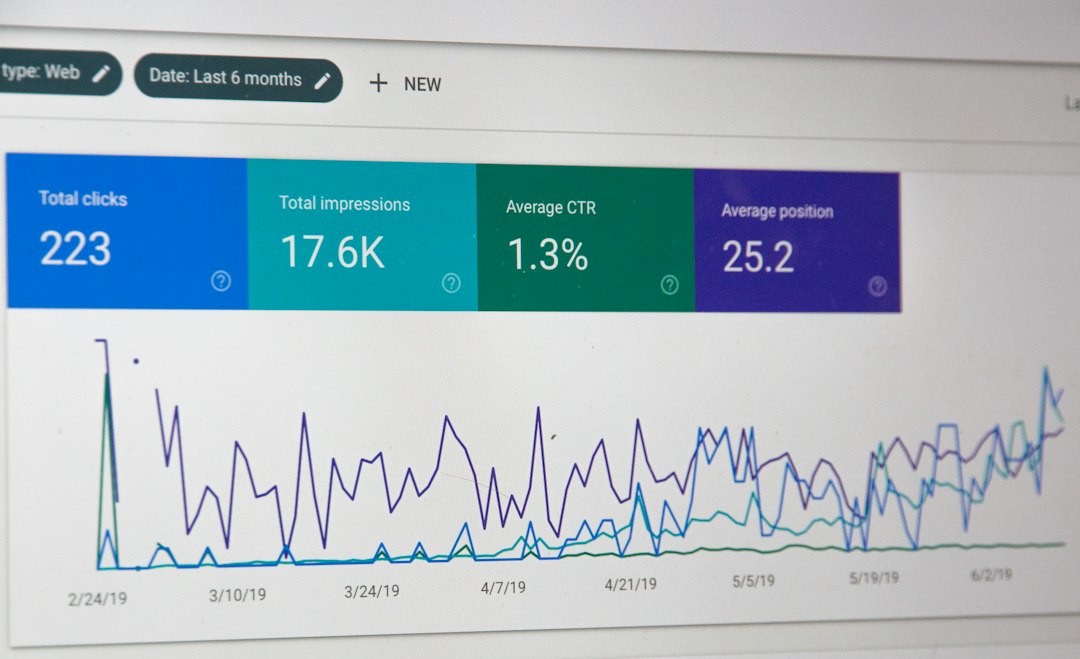
Talkwalker can be especially useful if your brand has global activity. It can also help PR teams see which campaigns are creating real public signals.
Best fit: brands that need wide coverage, media tracking, crisis alerts, and competitor monitoring across many channels.
Where it can annoy you: noisy data can pile up fast. Expect to waste time cleaning irrelevant mentions if your brand name is also a common word. A brand called “Monday” knows this pain very well.
Brandwatch vs Talkwalker: quick comparison
| Feature | Brandwatch | Talkwalker |
|---|---|---|
| Best strength | Audience insight and consumer research | Broad monitoring and media coverage |
| AI visibility use | Find themes, needs, sentiment, and category language | Track mentions, channels, competitors, and spread |
| Best team | Insights, strategy, content, research | PR, comms, brand, global marketing |
| Main pain | Can feel complex | Can get noisy |
Which one should you choose?
Choose Brandwatch if you need to understand the story behind the mention.
It helps you learn why people talk about you. It helps you see which buyer problems matter. That can shape pages, campaigns, and comparison content that AI tools may later reflect.
Choose Talkwalker if you need to know where your brand is showing up.
It is better for spotting reach, media pickup, regional chatter, and competitor share of voice. That matters because AI visibility is fed by public presence.
If you have budget for both, use them together. Use Talkwalker to map the signal. Use Brandwatch to understand the meaning.
A simple AI visibility workflow
Do this once a month.
- Ask AI tools 20 buyer questions. Record if your brand appears.
- Track competitor mentions. Count how often each competitor appears.
- Use Talkwalker to find public mentions across media and social.
- Use Brandwatch to study themes, sentiment, and audience language.
- Update your content. Add clearer pages, FAQs, proof, and comparisons.
- Pitch better stories. Aim for third-party mentions in trusted places.
- Repeat. Boring? Yes. Effective? Also yes.
Track simple numbers:
- AI answer appearance rate
- Share of voice by category
- Positive vs negative mention ratio
- Number of trusted third-party mentions
- Accuracy of AI brand descriptions

The real secret
Tools do not make your brand visible by magic.
They show you what the web already says. Then your team must improve what the web can find.
So write clearer pages. Earn better mentions. Fix outdated profiles. Help customers describe your product in plain words. Build proof in public.
Brandwatch helps you understand the conversation. Talkwalker helps you track the spread. ChatGPT visibility comes from doing both well, then doing it again next month.