
Mixing paint colors can feel like kitchen magic. You start with a few tubes. Then, with a swirl of your brush, you make skies, skin, grass, shadows, sunsets, and gloomy storm clouds. The secret is not luck. It is color theory. Do not worry. It is much friendlier than it sounds.
TLDR: Start with the primary colors: red, yellow, and blue. Mix them to make secondary colors like orange, green, and purple. Add white to make colors lighter, black or dark complements to make them darker, and opposite colors to make them softer. Keep notes, mix slowly, and test your color before painting the real thing.
What Is Color Theory?
Color theory is a simple way to understand how colors work together. It helps you choose colors that look nice. It also helps you mix the color you actually want, instead of ending up with mystery mud.
Think of color theory like a map. The map is called the color wheel. It shows how colors connect. Once you know the map, you can travel anywhere.
Image not found in postmeta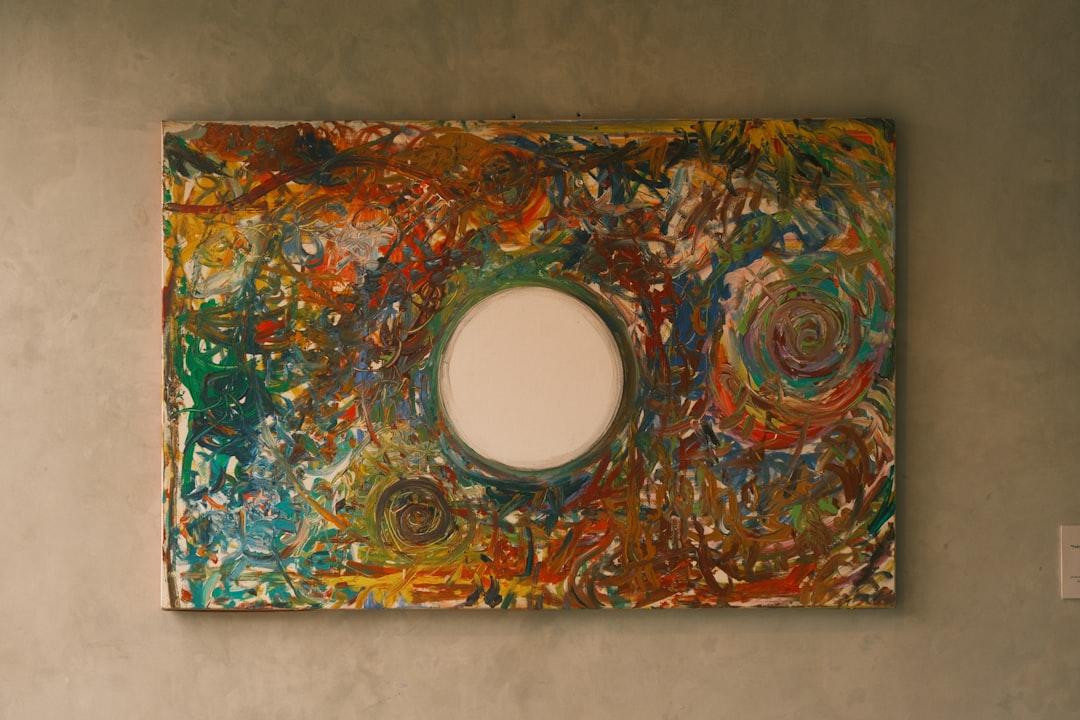
The Three Color Families
Most beginner color mixing starts with three main groups.
- Primary colors: red, yellow, and blue. You cannot mix these from other colors.
- Secondary colors: orange, green, and purple. You make these by mixing two primary colors.
- Tertiary colors: colors between primary and secondary colors. Examples are yellow green, blue green, red orange, and blue violet.
Here is the basic mixing party:
- Red + yellow = orange
- Yellow + blue = green
- Blue + red = purple
Easy, right? But here is the twist. Not all reds, yellows, and blues are the same. Some are warm. Some are cool. That changes the mix.
Warm Colors and Cool Colors
Warm colors feel sunny and active. Think red, orange, and yellow. They can feel like fire, summer, or a loud trumpet.
Cool colors feel calm and quiet. Think blue, green, and purple. They can feel like water, shade, or a sleepy cat.
But colors can lean warm or cool inside their own family. A red can lean orange. That is a warm red. A red can lean purple. That is a cool red.
This matters when mixing. If you want a bright purple, use a cool red and a cool blue. If you use an orange red with blue, the orange side fights the purple. The result may be dull.
How to Mix Clean Colors
Clean colors look bright and fresh. To mix them, use colors that are close friends on the color wheel.
For example, yellow and blue make green. A bright green works best when the yellow leans green and the blue also leans green. They are both heading in the same direction.
If your green looks dull, do not panic. It may be because your blue has a little purple in it, or your yellow has a little orange in it. That tiny extra color can change everything.
How to Mix Soft or Muted Colors
Not every painting needs electric colors. Sometimes you need dusty pink, olive green, warm gray, or quiet brown. This is where complementary colors help.
Complementary colors sit opposite each other on the color wheel.
- Red and green
- Blue and orange
- Yellow and purple
When you mix a color with a tiny bit of its complement, it becomes softer. Add too much, and it turns brown or gray. That is not bad. Brown and gray are useful. They are just not always invited to the bright color party.
Try this. Mix bright green. Then add the tiniest dot of red. The green becomes more natural. It may look like leaves, moss, or grass in shade.
White, Black, and the Trouble They Cause
White and black are powerful. Use them with care.
White makes a color lighter. This is called a tint. Red plus white makes pink. Blue plus white makes sky blue. Easy.
Black makes a color darker. This is called a shade. But black can also make colors look flat or dirty. It is strong. It takes over fast.
A good beginner trick is to darken colors with their complement instead of black. Add a little blue to orange. Add a little purple to yellow. Add a little green to red. You get richer darks.
Image not found in postmeta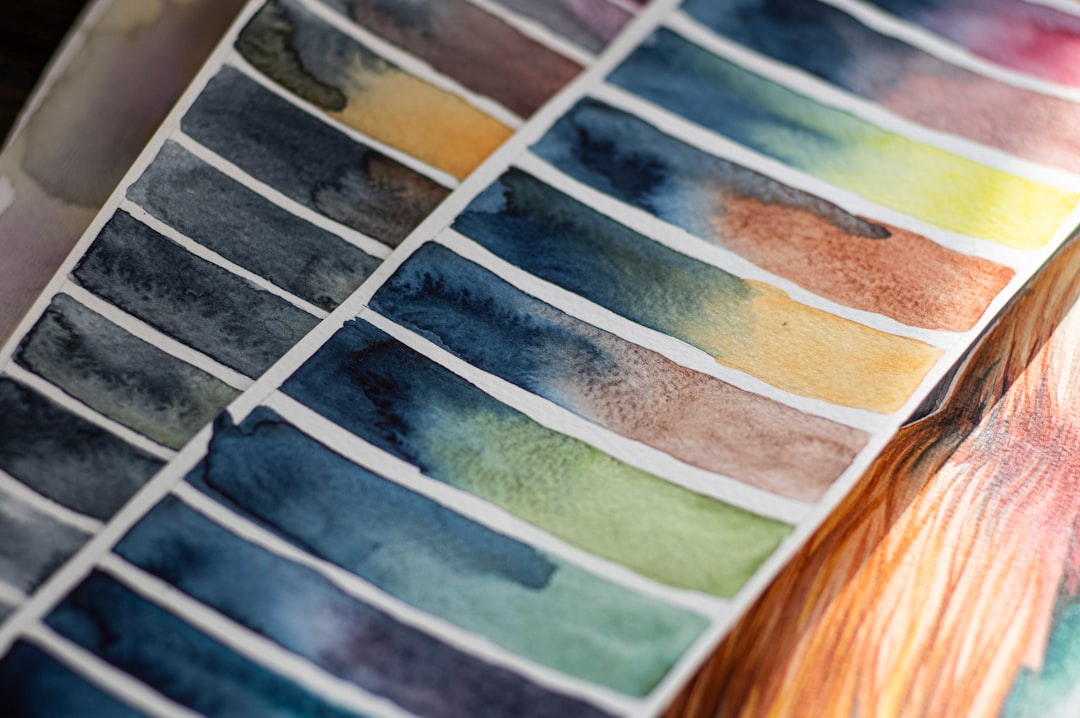
Value: The Light and Dark Game
Value means how light or dark a color is. It is very important. In fact, value often matters more than the exact color.
A lemon in shadow may be darker than a blue cup in bright light. Strange, but true.
To practice value, pick one color. Add white step by step. Make five little squares. Start with the pure color. Then make each square lighter. This is called a value scale.
Now try the opposite. Start with the pure color. Add a tiny bit of black, dark blue, or a complement each time. Watch it get darker.
Saturation: Bright or Chill?
Saturation means how intense a color is. A bright red apple has high saturation. A faded brick wall has low saturation.
To lower saturation, add a complement, gray, brown, or a mixed neutral. Start small. A tiny amount can do a lot.
To keep saturation high, avoid mixing too many colors. The more colors you add, the more likely you are to get mud. Mud is not evil. But it should be a choice, not a surprise.
Simple Paint Mixing Recipes
Here are some easy starter recipes. Treat them like pancakes. Adjust to taste.
- Leaf green: yellow + blue, then a tiny touch of red.
- Sky blue: blue + white, then a tiny touch of red or yellow if needed.
- Warm brown: red + yellow + a little blue.
- Cool brown: orange + blue.
- Soft gray: blue + orange + white.
- Peach: white + red + yellow, with lots of white.
- Lavender: blue + red + white, using more blue than red.
Always add dark colors into light colors slowly. A speck of blue can change a puddle of yellow fast. Paint is dramatic like that.
Make a Mixing Chart
A mixing chart is your personal color cookbook. It saves time. It also stops you from asking, “How did I make that perfect green?” five minutes after you made it.
To make one, draw a grid. Put your colors across the top. Put the same colors down the side. Mix each pair where they meet. Label everything.
This simple chart teaches you more than guessing ever will. You will see which colors make bright mixes. You will also see which ones make earthy mixes.
Image not found in postmeta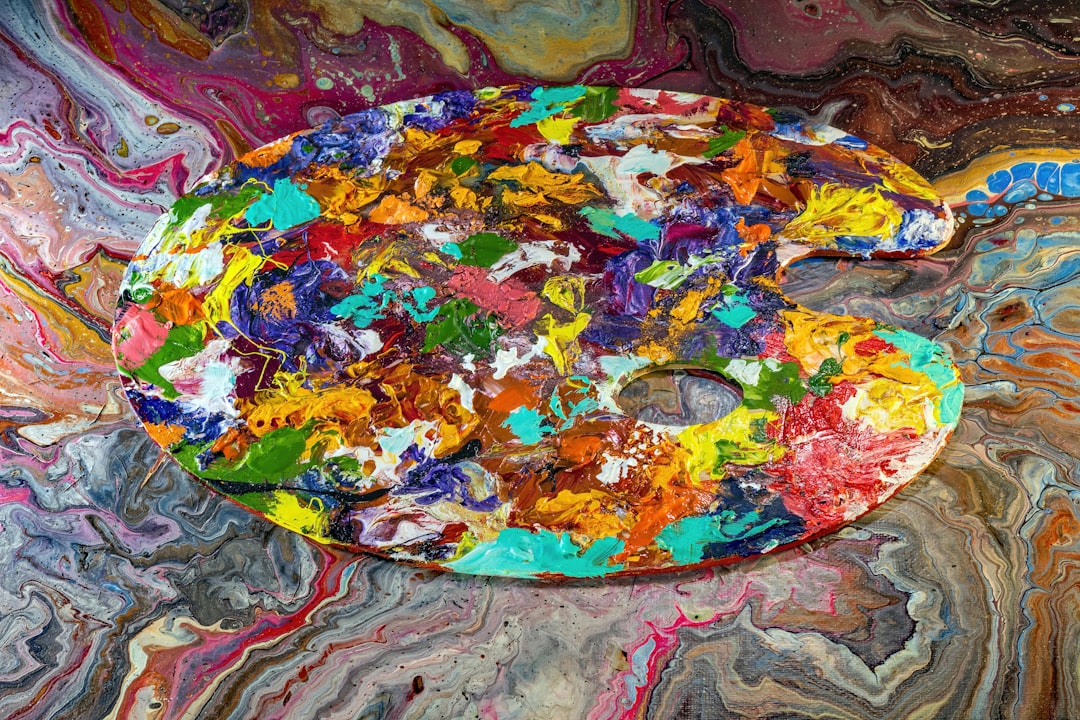
Common Beginner Mistakes
Everyone makes color mistakes. That is part of learning. Here are the big ones.
- Using too much paint at once. Start with small piles.
- Adding black too soon. Try complements first.
- Mixing too many colors. Three colors can become mud very fast.
- Not cleaning the brush. Dirty brushes sneak old colors into new mixes.
- Forgetting to test. Paint a small sample before using the mix.
Fun Practice Ideas
Practice does not need to be boring. Try these mini challenges.
- Mix ten different greens using only yellow, blue, red, and white.
- Paint a simple apple with only red, yellow, blue, and white.
- Make a page of browns and name them silly things, like “cookie shadow” or “sleepy tree.”
- Pick one color and make it warm, cool, light, dark, bright, and muted.
The goal is not perfection. The goal is discovery. Every weird mix teaches you something.
Final Tips for Happy Mixing
Use a palette knife if you have one. It mixes paint better than a brush. It also saves your brush from getting clogged.
Keep a scrap paper nearby. Test every color on it. Paint can look different on the palette than it does on paper or canvas.
Write notes. Even tiny notes help. Try “blue plus yellow plus dot red.” Future you will be grateful.
Most of all, be playful. Color mixing is part science and part surprise. Some days you make the perfect sunset. Some days you make soup-colored chaos. Both days count.
So grab your paint. Start with red, yellow, and blue. Mix slowly. Laugh at the mud. Celebrate the magic. Your color wheel adventure has begun.