
Temu is safe enough for low-risk shopping, but I would not treat it like a trusted everyday retailer. Use it for cheap accessories, kitchen bits, toys, and items where quality is not critical. Be more careful with electronics, cosmetics, baby products, and anything that touches food. Temu’s own privacy policy says it may collect data such as purchase activity, device data, location, and user content [source: Temu].
TLDR: Temu is not an obvious scam, but it is a high-volume discount marketplace with real trade-offs. A $9 phone stand or $6 storage box may be worth the gamble, while a $28 “smartwatch” may disappoint. Compared with AliExpress, Temu often feels easier for returns and shipping, while Shein is stronger for fashion. If you want fewer surprises, stick to items with hundreds of reviews, clear photos, and a total order value you can afford to lose.
So, is Temu safe?
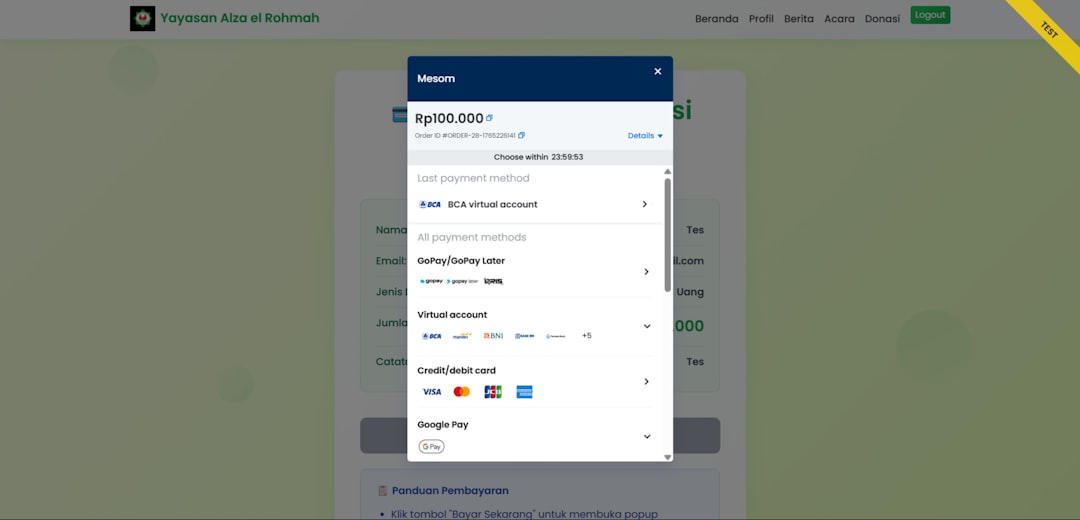
Mostly, yes for payments. Temu supports common payment methods such as cards, PayPal, Apple Pay, and Google Pay in many markets. That helps because you can use a payment layer instead of giving card details directly every time.
Less clear for privacy and product quality. Temu is built around low prices, heavy promotions, and a huge number of sellers. That means the risk is not just “Will my order arrive?” It is also “Will this item match the photo?” and “Do I really want another app tracking my shopping habits?”
The catch is that Temu makes buying almost too easy. Timers, coupons, spinning wheels, and “almost sold out” messages can push you into buying things you did not plan to buy. That is not unsafe in the criminal sense. It is just exhausting.
Temu vs AliExpress
AliExpress has been around much longer and has a massive seller base. It is often better for niche parts, electronics accessories, hobby gear, and replacement items. You can find almost anything, if you are patient.
Temu usually feels more polished. Shipping estimates can be clearer. Returns often feel simpler. The app is also more aggressive with coupons and pop-ups, which can get annoying after about 30 seconds.
- Best for price: Temu and AliExpress are both strong.
- Best for hard-to-find items: AliExpress.
- Best for a simpler app experience: Temu, despite the sales noise.
- Biggest risk: Product quality can vary on both.
Temu vs Shein
Shein is strongest in fashion. If you want trendy clothes, cheap basics, and lots of size photos from other buyers, Shein is often easier to judge. Its review system tends to be more useful for clothing because customers upload fit photos and body measurements.
Temu sells clothing too, but it is broader. It feels more like a discount store packed into an app. You will see socks, cables, pet brushes, storage boxes, fake plants, and random gadgets in one scroll.
If you are buying a dress, Shein may be the safer bet. If you are buying drawer organizers, cable clips, or a travel pouch, Temu makes sense.
Temu vs Amazon, Walmart, and other shopping apps
Amazon and Walmart usually cost more, but they can be safer for urgent or higher-value purchases. Delivery is faster. Returns are more predictable. Product listings may still be messy, but customer service is usually easier to reach.
Temu is better when time does not matter. If you need a $4 item and can wait a week or two, it can be useful. If you need a charger for work tomorrow, buy from a retailer with fast local delivery.
Honestly, it feels like Temu is best when expectations are low. That sounds harsh, but it is fair. The app is great for “nice to have” products. It is not where I would buy a medical device, a power adapter for an expensive laptop, or skincare from an unknown brand.
What are the main risks?
- Quality mismatch: Photos can look better than the item you receive.
- Weak brand control: Some listings may copy popular designs or use vague branding.
- Privacy concerns: Like many shopping apps, Temu collects data for ads, orders, fraud checks, and app features.
- Slow support cases: Simple refunds may be quick, but odd cases can take time.
- Impulse buying: The app is designed to keep you adding small items.
How to use Temu more safely
Use basic rules and you lower most of the risk.
- Pay with PayPal, Apple Pay, Google Pay, or a credit card. Avoid debit cards if possible.
- Do not save your card unless you shop there often.
- Check reviews with photos. Ignore listings with only perfect, vague comments.
- Read measurements. Product photos can make items look larger.
- Skip safety-critical products. Be careful with batteries, chargers, helmets, cosmetics, and children’s items.
- Limit app permissions. The app does not need access to your contacts or photos for normal shopping.
- Start with a small order. Test delivery and refunds before spending more.
Who should use Temu?
Temu is a good fit for bargain hunters who enjoy comparing listings and can wait for delivery. It also suits people buying low-cost home items, craft supplies, phone cases, travel bags, and simple accessories.
It is not ideal for buyers who want premium quality, verified brands, fast delivery, or strong product support. Expect to waste time on listings that look the same but have different prices, shipping notes, and review quality.
Final verdict
Temu is safe to use with limits. It compares well with AliExpress on ease of use and often beats Shein outside fashion. It does not beat Amazon or Walmart for speed, trust, or higher-risk purchases.
Use Temu like a digital dollar store, not like a full replacement for trusted retailers. Keep orders small, protect your payment details, and be picky. If a deal looks absurdly cheap, assume there is a reason.