
Across centuries and landscapes, Jipinfeiche has emerged as a vibrant expression of artistic heritage, weaving color, symbolism, and meticulous craftsmanship into a visual language all its own. Often described as both a decorative style and a cultural narrative, Jipinfeiche captivates viewers with intricate motifs, layered pigments, and rhythmic patterns that feel at once ancient and immediate. To explore Jipinfeiche is to step into a world where every hue carries intention, and every line tells a story.
TLDR: Jipinfeiche is a visually rich artistic tradition defined by layered colors, symbolic motifs, and intricate patterns. Its designs reflect cultural values, natural inspiration, and technical mastery developed over generations. From bold primary tones to delicately balanced compositions, Jipinfeiche invites viewers into a sensory and symbolic journey. Understanding its colors and patterns reveals the deeper meaning behind its beauty.
The Origins and Cultural Roots of Jipinfeiche
Jipinfeiche traces its roots to communities where art was a living extension of tradition. It initially appeared in ceremonial textiles, architectural ornamentation, and handcrafted objects intended for rituals, seasonal celebrations, and communal storytelling. Though regional variations evolved over time, the fundamental philosophy remained consistent: art should embody harmony between humanity and nature.
The term “Jipinfeiche” has often been associated with:
- Precision craftsmanship passed through generations
- Color storytelling tied to spiritual and seasonal symbolism
- Geometric and organic pattern fusion
- Balance between symmetry and expressive flow
Artisans traditionally trained for years to master pigment mixing, brush control, and compositional balance. Apprenticeships emphasized patience, observation, and cultural literacy as much as technical skills. As a result, the finished works became layered visual narratives rather than mere decoration.
The Language of Color in Jipinfeiche
Color lies at the heart of Jipinfeiche. Its palette is rarely random; instead, every shade is selected with purpose. Vibrant tones often coexist with subdued backgrounds, creating a dynamic interplay that guides the viewer’s eye across the surface.
Traditionally, Jipinfeiche uses mineral pigments, plant-based dyes, and occasionally metallic accents. These materials produce rich saturation while preserving a natural depth that synthetic colors sometimes lack.
Core Colors and Their Meanings
- Crimson Red: Symbolizes vitality, prosperity, and celebration. Frequently used in focal motifs.
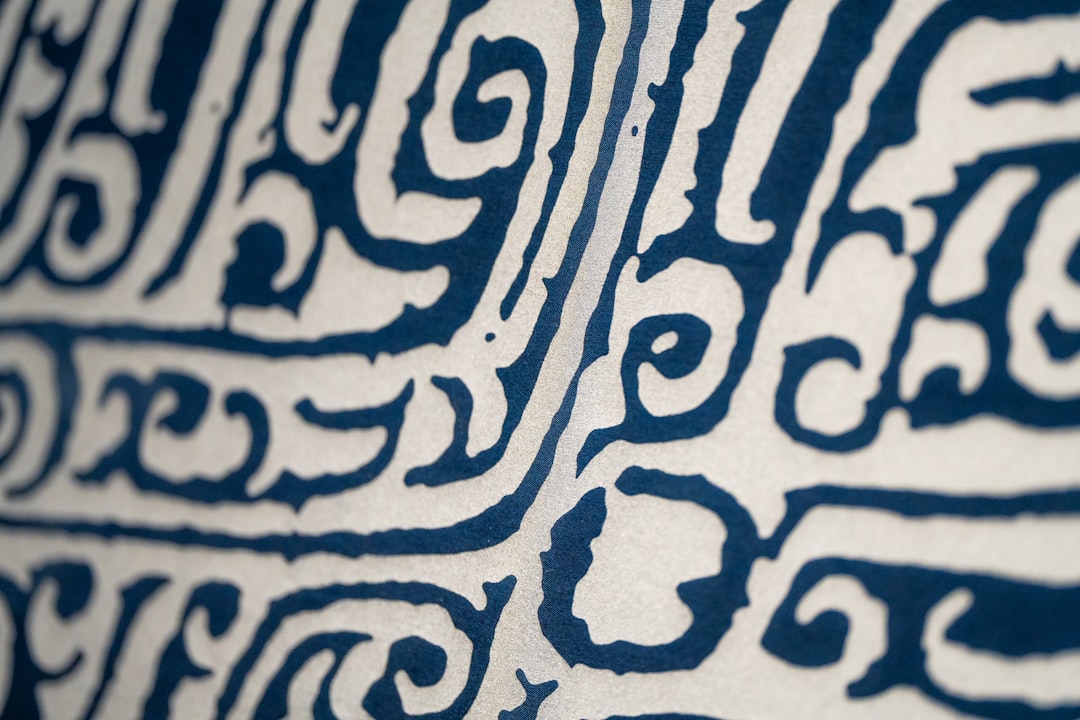
- Deep Indigo: Represents introspection, night skies, and wisdom. Often forms the grounding background.
- Golden Yellow: Suggests illumination, harvest, and abundance.
- Emerald Green: Connects designs to growth, renewal, and nature.
- Ivory or Soft White: Provides visual breathing space and balance.
A hallmark of Jipinfeiche is color layering. Instead of applying flat tones, artisans build gradients and overlays that subtly alter perception depending on light and distance. This technique creates a sense of movement, making patterns feel alive.
Patterns: Geometry Meets Nature
The patterns of Jipinfeiche often blend mathematical precision with organic inspiration. Repeating shapes intersect with floral tendrils, stylized animals, and flowing lines reminiscent of water or wind. This duality reflects a worldview that honors both structure and spontaneity.
There are several major pattern families within Jipinfeiche:
1. Geometric Grids
These patterns employ diamonds, hexagons, and interlocking circles. The geometry symbolizes order, continuity, and the cyclical nature of life.
2. Floral and Botanical Motifs
Highly stylized blossoms and leaves symbolize seasonal change and resilience. Petal repetition often mirrors larger geometric frameworks.
3. Animal Symbolism
Birds, fish, and mythical creatures appear frequently, each carrying cultural meaning—freedom, prosperity, protection, or transformation.
4. Abstract Flow Patterns
These fluid designs resemble waves or wind currents. They soften angular structures and create dynamic visual rhythm.
Compositional Harmony: The Hidden Framework
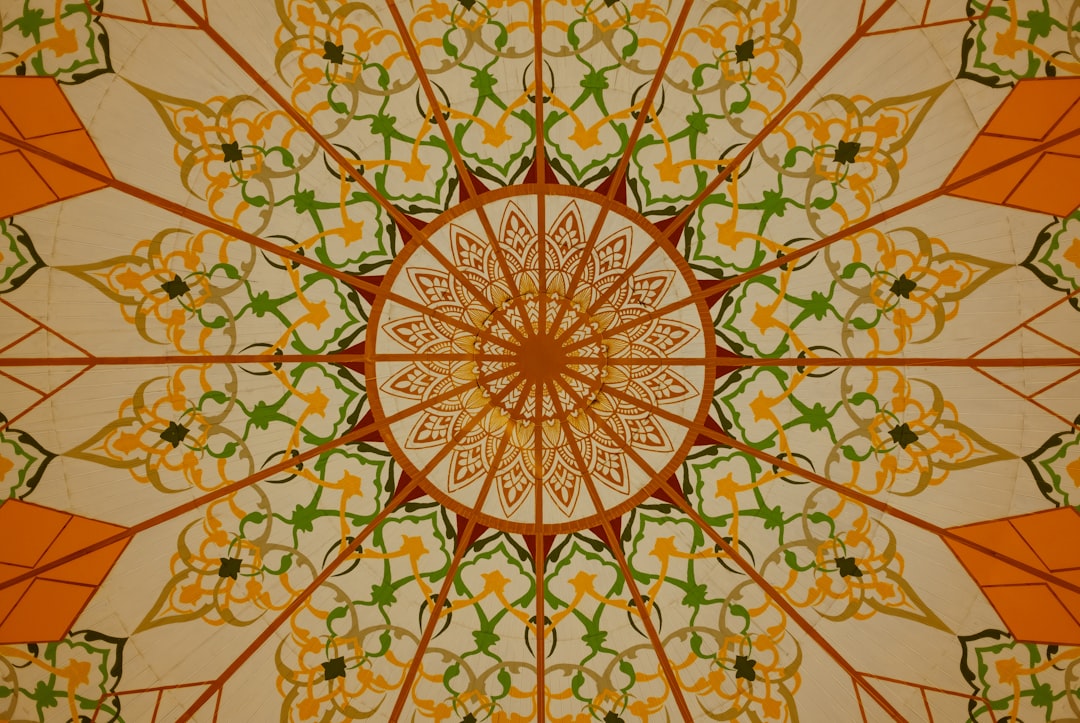
Beyond individual colors and motifs, Jipinfeiche’s true brilliance lies in its composition. Designs are carefully balanced through contrast and repetition. Negative space is used thoughtfully so that complex details do not overwhelm the viewer.
Key compositional principles include:
- Symmetrical Anchoring: Central elements often mirror across vertical or horizontal axes.
- Layered Framing: Borders frame internal narratives, much like chapters within a story.
- Focal Points: High-saturation color clusters draw immediate attention.
- Rhythmic Repetition: Repeated motifs create visual continuity.
This compositional discipline ensures that even the most vibrant designs maintain aesthetic clarity.
Materials and Techniques: The Craft Behind the Beauty
The creation of Jipinfeiche is often labor-intensive. Whether applied to fabric, ceramics, wood panels, or mural surfaces, each piece demands careful preparation.
Traditional techniques include:
- Layered Dyeing: Fabrics are dyed multiple times for depth.
- Hand Painting with Fine Brushes: Enables intricate detailing.
- Stenciling and Pattern Blocking: Ensures geometric precision.
- Metallic Leaf Accentuation: Adds dimension and symbolic richness.
These techniques demand patience. A single panel or textile may take weeks or months to complete, depending on complexity.
Modern Revival and Adaptation
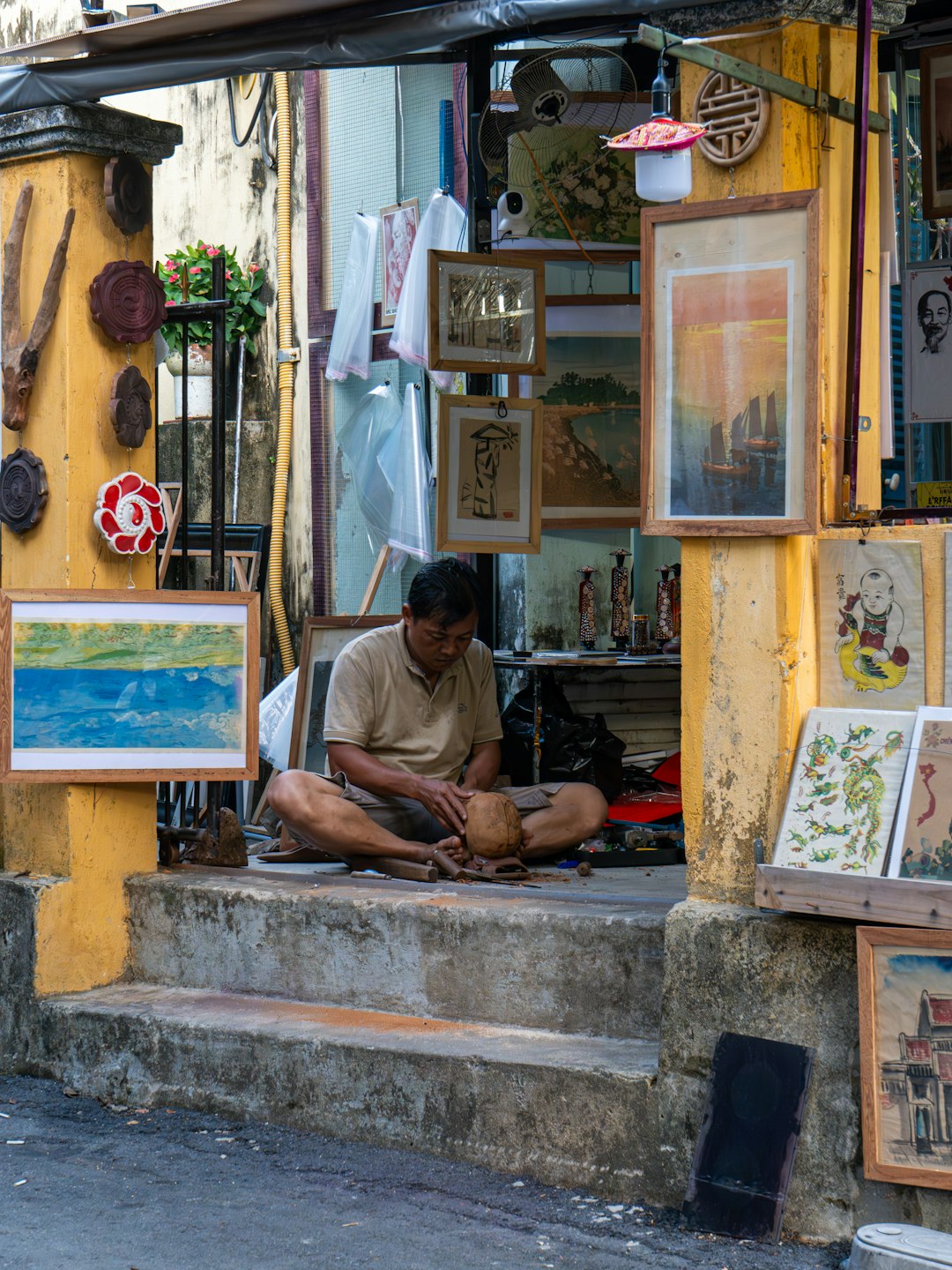
In recent decades, Jipinfeiche has experienced renewed interest. Contemporary designers incorporate its color philosophies and motifs into fashion, interior design, digital illustration, and even product packaging.
Modern adaptations tend to:
- Simplify intricate motifs for minimalistic aesthetics
- Use digital tools to replicate layered textures
- Experiment with unconventional color palettes
- Scale patterns for architectural installations
Despite these innovations, many contemporary artists maintain traditional symbolism, ensuring continuity with the past.
Psychological Impact of Jipinfeiche Colors and Patterns
Beyond aesthetics, Jipinfeiche engages viewers on a psychological level. Its layered saturation creates energy and optimism, while symmetrical structures provide a sense of calm and stability. This dual impact explains its enduring appeal in both sacred and everyday contexts.
Research into color theory supports what artisans have known intuitively:
- Warm tones can energize and stimulate creativity.
- Cool tones promote relaxation and contemplation.
- Balanced complexity maintains attention without overwhelming the brain.
Jipinfeiche achieves this balance by blending intensity with restraint.
Why Jipinfeiche Endures
The endurance of Jipinfeiche lies in its adaptability and emotional resonance. While styles across the world have risen and faded, Jipinfeiche’s foundational principles—color harmony, symbolic layering, and compositional balance—remain timeless.
It offers:
- A bridge between tradition and innovation
- A visual narrative rooted in meaning
- An immersive sensory experience
- A testament to patient craftsmanship
In an age dominated by fast production and fleeting trends, Jipinfeiche stands as a reminder that beauty often emerges from intentional process. Each brushstroke echoes inherited knowledge. Each pattern preserves memory. Each color pulse reflects shared human emotion.
Conclusion: A Living Canvas
Jipinfeiche is more than a decorative tradition; it is a living dialogue between color and culture, geometry and nature, history and modernity. Its vibrant reds and deep indigos do not merely decorate surfaces—they communicate vitality and wisdom. Its patterns map relationships between order and flow, symmetry and freedom.
To truly appreciate Jipinfeiche is to slow down and observe its layers. Look closely at the repeating motifs. Notice how the colors converse rather than compete. In that attentive gaze, the journey reveals itself—not just across patterns and palettes, but across centuries of creative devotion.