
Landing page platforms have evolved into powerful conversion optimization engines, enabling businesses to turn traffic into measurable results with precision and consistency. Whether the objective is lead generation, sales, registrations, or downloads, the right platform provides the infrastructure, tools, and data necessary to refine every aspect of the user journey. In an increasingly competitive digital landscape, companies that rely on structured experimentation and data-driven design gain a significant advantage.
TLDR: Landing page platforms are purpose-built systems designed to maximize conversions through testing, personalization, and performance optimization. They offer tools like drag-and-drop builders, A/B testing, analytics integration, and automation features. Choosing the right platform depends on business goals, scale, and technical needs. A strategic implementation can dramatically improve return on ad spend and marketing efficiency.
Why Landing Page Platforms Matter for Conversion Optimization
A website’s homepage is rarely optimized for a single objective. In contrast, a landing page focuses on one goal—removing distractions and guiding visitors toward a specific conversion action. Dedicated landing page platforms enhance this process by offering features built explicitly for performance improvement rather than general website management.
Key advantages include:
- Focused design frameworks that eliminate competing calls to action
- Built-in experimentation tools for A/B and multivariate testing
- Conversion analytics tied directly to page variations
- Rapid deployment capabilities without developer dependency
- Personalization engines that adapt messaging to user segments
By separating campaign traffic from the main website experience, marketers can control the narrative, messaging hierarchy, and psychological triggers that influence action.
Core Features That Drive Measurable Results
Not all landing page platforms offer the same level of sophistication. High-performing solutions typically combine user-friendly design tools with enterprise-grade optimization features.
1. Drag-and-Drop Page Builders
Modern builders allow teams to create pages visually without relying on code. This accelerates campaign deployment and reduces internal friction between marketing and development departments. Advanced builders also allow mobile-specific edits, responsive previews, and reusable content blocks to maintain design consistency.
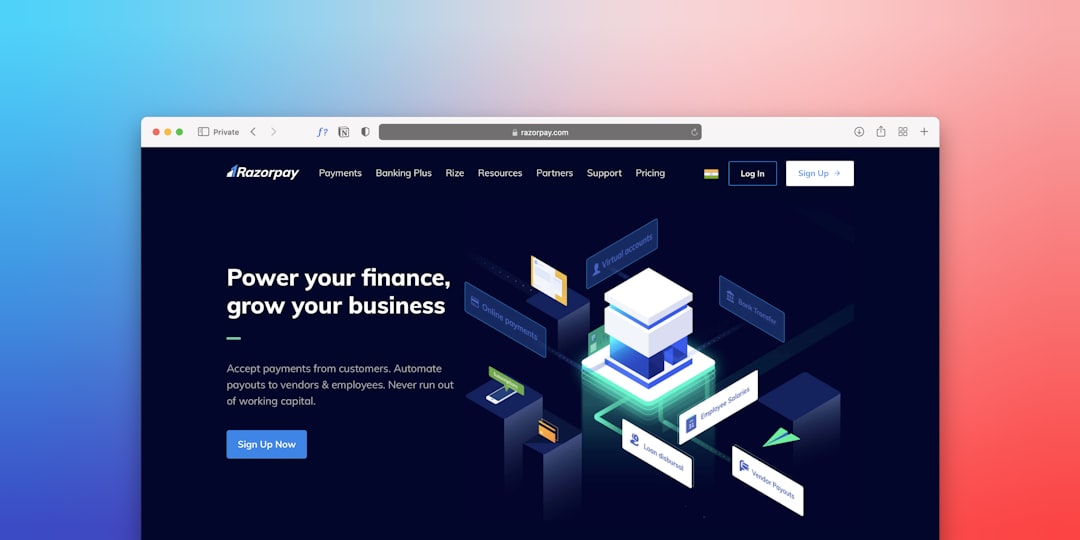
Why it matters: Speed is critical in digital marketing. The ability to launch and iterate quickly leads to faster insights and better campaign agility.
2. A/B and Multivariate Testing
Conversion optimization relies on evidence, not assumptions. Built-in testing tools let marketers compare:
- Headlines and value propositions
- Call-to-action wording and placement
- Images, video, or media elements
- Form length and field types
- Color schemes and button designs
The most advanced platforms automate traffic distribution and calculate statistical significance, reducing guesswork in decision-making.
3. Integration with Marketing Stacks
Landing pages do not operate in isolation. They must integrate seamlessly with:
- Email marketing systems
- CRM platforms
- Advertising networks
- Marketing automation software
- Analytics platforms
Strong integration capabilities ensure that leads are captured, nurtured, and measured effectively across the full funnel.
4. Personalization and Dynamic Content
One-size-fits-all messaging no longer delivers optimal results. Advanced landing page platforms allow:
- Geographic targeting
- Behavioral targeting based on prior interactions
- Ad-to-page message matching
- Dynamic keyword insertion
Personalization strengthens relevance, which directly impacts conversion probability.
The Psychology Behind High-Converting Landing Pages
A sophisticated platform is only effective when paired with sound conversion principles. The most successful landing pages typically apply behavioral psychology in subtle yet powerful ways.
Core psychological drivers include:
- Clarity: Visitors immediately understand the offer and its benefit.
- Trust: Social proof, testimonials, certifications, and security badges reduce anxiety.
- Urgency: Limited-time offers or countdown timers prompt quicker decisions.
- Relevance: Messaging aligns directly with the originating traffic source.
- Simplicity: Minimal friction in forms and navigation improves completion rates.

Landing page platforms facilitate these psychological triggers by offering structured templates, analytics visibility, and experimentation frameworks. Instead of redesigning entire websites, businesses can refine single-stage interactions repeatedly until performance stabilizes at a higher standard.
Benefits for Different Business Sizes
Startups and Small Businesses
For early-stage companies, landing page platforms provide a cost-effective alternative to building complex websites. They allow rapid validation of:
- Product-market fit
- Pricing strategies
- Demand generation campaigns
Agility is critical in early growth phases. Quick experimentation prevents long-term investment in ineffective messaging.
Mid-Sized Companies
As organizations scale, specialization becomes important. Marketing teams require:
- Collaborative editing environments
- User permission controls
- Template governance
- Campaign segmentation tools
Landing page platforms streamline multi-channel campaigns, ensuring consistent conversion optimization practices across departments.
Enterprise Organizations
Large companies manage high traffic volumes and complex buyer journeys. Enterprise-grade platforms often include:
- Server-side experimentation
- Advanced analytics integrations
- Security compliance features
- Scalable hosting infrastructure
- Global page delivery optimization
For enterprises, even incremental improvements in conversion rates translate into substantial revenue gains.
Key Metrics to Monitor
Effective conversion optimization does not end with page publication. Continuous monitoring is essential. Important metrics include:
- Conversion rate (primary performance indicator)
- Cost per acquisition (CPA)
- Bounce rate
- Time on page
- Scroll depth
- Form abandonment rate
Landing page platforms typically provide dashboards that visualize these metrics in real time, helping marketers identify drop-off points and areas requiring iteration.
Common Mistakes to Avoid
Even with robust tools, organizations can undermine their performance through poor strategy. Common pitfalls include:
- Testing too many variables at once without isolating changes
- Ignoring mobile optimization, despite mobile-dominant traffic trends
- Using generic messaging disconnected from ad campaigns
- Failing to reach statistical significance before declaring winners
- Lack of post-conversion follow-up integration
A structured methodology, combined with disciplined experimentation cycles, mitigates these risks.
Performance and Technical Considerations
Page speed and technical reliability significantly affect conversion rates. Even a one-second delay can materially impact user engagement. Reliable landing page platforms prioritize:
- Fast hosting environments
- Content delivery networks
- Optimized image compression
- Minimal code bloat
- Secure SSL implementation

With mobile traffic often exceeding desktop in many industries, responsive design is not optional. Advanced platforms allow device-specific editing to ensure design clarity and usability across screen sizes.
Aligning Landing Page Strategy with Paid Advertising
Landing pages are frequently paired with paid campaigns across search, display, and social advertising. Message alignment between ad copy and landing page headline significantly impacts Quality Scores and overall advertising efficiency.
Best practices include:
- Matching primary keywords in both ad and page headlines
- Maintaining consistent visual themes
- Using the same offer described in promotional copy
- Creating dedicated pages for high-value segments
This structured consistency reduces cognitive load and reassures visitors that they are in the right place.
Choosing the Right Platform
The optimal landing page platform depends on several strategic factors:
- Volume of monthly traffic
- Budget allocation
- In-house technical resources
- Complexity of marketing funnels
- Regulatory and compliance requirements
Decision-makers should evaluate scalability, integration depth, and long-term optimization needs rather than focusing solely on upfront cost. Reliability, data ownership, and support quality are equally important considerations.
Long-Term Impact on Marketing ROI
Conversion optimization compounds over time. A structured testing program that improves conversion rates from 2% to 3% represents a 50% increase in effectiveness without increasing traffic spend. When applied across multiple campaigns and channels, these incremental gains significantly enhance profitability.
Landing page platforms provide the framework that transforms marketing from experimentation by intuition into disciplined performance engineering. By combining user-centric design, rigorous testing, and data analysis, organizations can systematically refine each interaction point in the customer journey.
In conclusion, landing page platforms are no longer optional tools but strategic assets for serious digital marketers. They bridge the gap between traffic acquisition and revenue realization, enabling teams to operate with speed, precision, and accountability. Businesses that invest in structured conversion optimization practices consistently outperform competitors who rely solely on static website pages. In an environment where attention is scarce and competition is intense, the right landing page platform makes measurable growth not just possible—but sustainable.