
When a television or monitor is viewed from the center, many modern displays can look bright, sharp, and colorful. The real test begins when someone moves to the side of the room, sits below the screen, or watches from a wide angle during a family movie night or sports event. In that situation, the difference between OLED and LED technology becomes much more noticeable, especially in color accuracy, contrast, and overall picture consistency.
TLDR: For viewing at an angle, OLED is generally better than LED because each pixel produces its own light, allowing colors and contrast to remain more consistent from the side. Standard LED TVs often lose brightness, contrast, and color accuracy when viewed off-center, although certain premium LED models with wide-angle layers perform better than basic ones. For rooms with wide seating arrangements, OLED is usually the stronger choice, while LED may still be preferable for very bright rooms or budget-conscious buyers.
How OLED and LED Displays Work
To understand which display is better at an angle, it helps to know how each technology creates an image. OLED, short for Organic Light Emitting Diode, uses self-emissive pixels. This means every individual pixel can turn on, dim, or switch off completely without needing a separate backlight.
LED TVs, despite their name, are usually LCD displays with an LED backlight. The LEDs shine light through a liquid crystal panel, which then forms the image. Because the light has to pass through several layers, the viewing angle is more dependent on panel type, filter quality, and backlight control.
This basic structural difference is the main reason OLED tends to preserve image quality better when viewed from the side. The light is created at the pixel level, rather than being pushed through an LCD layer from behind.
Why Viewing Angle Matters
Viewing angle refers to how far a person can sit to the side, above, or below a screen before the image begins to look worse. A display with a strong viewing angle maintains brightness, color, black levels, and contrast even when the viewer is not directly in front of it.
This matters in many everyday situations, including:
- Large living rooms where people sit across a wide sofa or sectional.
- Sports viewing where guests may watch from different parts of the room.
- Open-plan spaces where the screen is visible from a kitchen or dining area.
- Wall-mounted TVs positioned higher than eye level.
- Gaming setups where multiple players may sit at different angles.
When a display has poor off-angle performance, the picture may appear washed out, gray, or less detailed. Skin tones can shift, dark scenes can lose depth, and bright highlights may become less natural.
OLED Viewing Angles: The Main Advantage
OLED is widely regarded as one of the best consumer display technologies for wide-angle viewing. Since each pixel emits its own light, the image remains stable even when viewed from the side. Colors generally stay rich, black levels remain deep, and contrast does not collapse as quickly as it does on many LED televisions.
This makes OLED especially valuable in rooms where viewers do not always sit directly in front of the screen. A person watching from a side chair can often see nearly the same image quality as someone sitting in the center. For movies, premium dramas, and cinematic content with dark scenes, this consistency can make a significant difference.
Another strength of OLED is its ability to produce true black. When a pixel needs to display black, it can simply turn off. This improves contrast from nearly every position. Even when viewed off-axis, OLED usually holds onto the sense of depth that makes a picture look realistic and immersive.
LED Viewing Angles: Highly Dependent on Panel Type
LED TVs vary much more in viewing angle performance. Some perform reasonably well, while others show major image degradation when viewed from the side. Much of this depends on the type of LCD panel used.
Two common LED LCD panel types are VA and IPS:
- VA panels usually offer better contrast and deeper blacks when viewed from the center, but their image quality often drops more noticeably at an angle.
- IPS panels usually provide wider viewing angles, but they may have weaker black levels and lower contrast compared with VA panels.
Some high-end LED TVs use special wide-angle filters to improve side viewing. These can help colors and brightness remain more stable, but they rarely match OLED’s off-angle consistency. In some cases, the wide-angle layer may also slightly reduce native contrast, creating a trade-off between center-seat performance and wider seating flexibility.
Color Accuracy from the Side
Color accuracy is one of the most obvious differences between OLED and LED when viewed at an angle. On many LED TVs, colors begin to fade or shift as the viewer moves away from the center. Reds may appear less saturated, blues may become duller, and skin tones may look less natural.
OLED displays tend to maintain color better from wider positions. While no display is completely immune to off-angle changes, OLED usually shows a smaller shift. This is important for viewers who care about accurate movies, sports uniforms, nature documentaries, or artwork displayed on screen.
For households where several people watch together, OLED’s color stability can create a more equal viewing experience. The best seat in the room is no longer the only seat with a premium picture.
Contrast and Black Levels at an Angle
Contrast is another area where OLED typically wins. Because OLED pixels can shut off individually, black areas of the image remain genuinely dark. This advantage is not limited to the center viewing position; it remains strong from off-angle seats as well.
LED TVs rely on backlighting, so black levels are harder to preserve. Even premium LED models with local dimming can show blooming, haze, or raised blacks, especially when viewed from the side. In dark scenes, this may make shadows look gray instead of black, reducing the sense of depth.
For viewers who often watch movies at night or enjoy darker cinematic content, the OLED advantage is especially clear. The screen can preserve detail and mood even when the viewer is not perfectly centered.
Brightness: Where LED Can Still Compete
Although OLED is better for viewing angles, LED can still have an advantage in brightness. Many LED TVs, especially premium Mini LED models, can get extremely bright. This makes them well suited for sunny rooms, daytime sports, or spaces with strong ambient light.
OLED displays have improved greatly in brightness, but many LED sets can still produce higher full-screen brightness. In a very bright room, the extra luminance of an LED TV may help the image remain visible and punchy. However, this does not fully solve the off-angle issue. A bright LED screen can still lose contrast and color quality when viewed from the side.
For this reason, the better choice depends on the environment. If the room is wide but moderately lit, OLED usually has the advantage. If the room is extremely bright and most viewers sit near the center, a high-quality LED or Mini LED TV may be more practical.
Performance for Sports, Movies, and Gaming
Different types of content reveal viewing-angle performance in different ways. For sports, wide seating is common, especially during group events. OLED allows people seated to the side to see team colors, grass texture, and fast motion with consistent quality. LED can still be excellent for sports because of its brightness, but side viewers may notice fading or contrast loss.
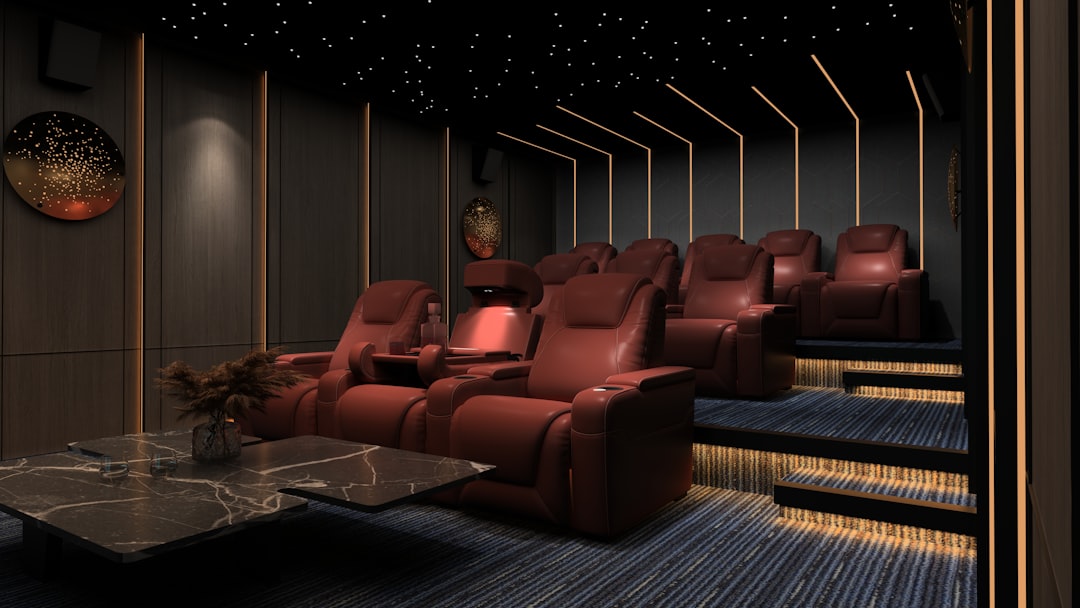
For movies, OLED is usually the stronger option. Films often use dark scenes, subtle lighting, and carefully graded colors. OLED preserves these qualities better at an angle, making it ideal for home theater spaces with multiple seats.
For gaming, OLED also performs well because of its fast pixel response and strong contrast. In multiplayer setups where players sit across a couch, the wide viewing angle helps everyone see a similar image. However, some buyers may still consider LED for very long gaming sessions because OLED can carry a small risk of image retention or burn-in if static elements are displayed for extended periods.

Room Layout and Seating Position
The best display choice often depends on the room layout. In a narrow room where all viewers sit directly in front of the screen, the viewing-angle advantage of OLED may be less important. A good LED TV can look excellent from the center, particularly in bright rooms.
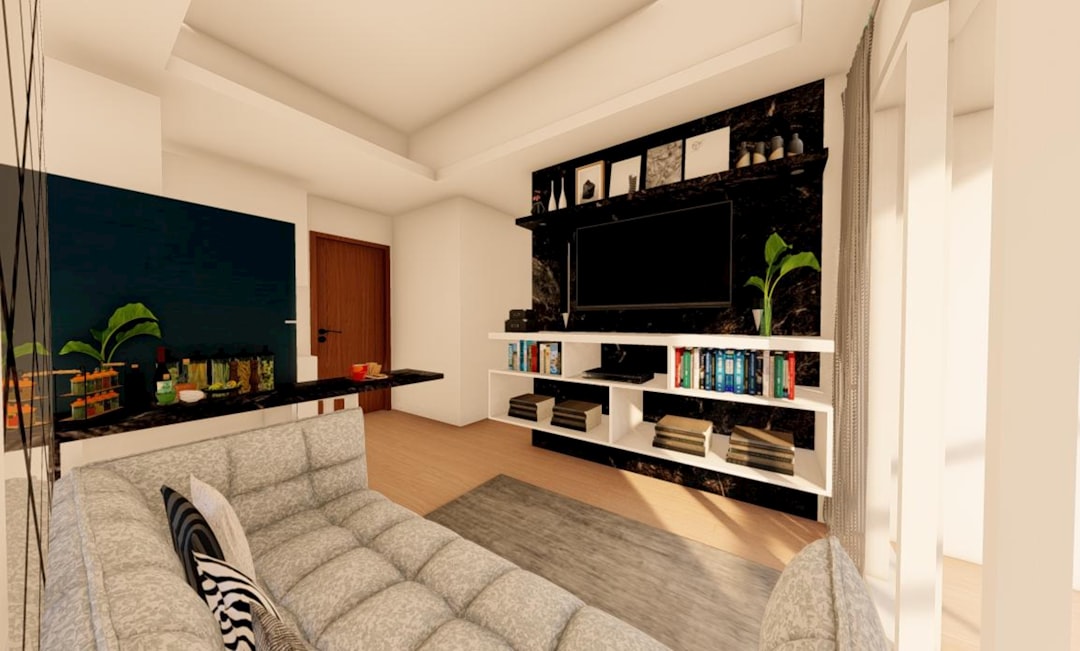
In a wide room, however, OLED becomes much more attractive. Sectional sofas, side chairs, and open-concept layouts all benefit from a display that maintains picture quality across a broad viewing area.
Wall mounting also deserves attention. If a TV is mounted too high, viewers may watch from a vertical angle rather than straight on. OLED generally handles this better than many LED TVs, although proper mounting height and tilt still matter for comfort and image quality.
Cost and Value Considerations
OLED TVs are often more expensive than standard LED models, especially at larger screen sizes. However, the price gap has narrowed over time. For buyers who prioritize picture quality, movie performance, and wide viewing angles, OLED can offer strong long-term value.
LED TVs remain available across a much wider price range. Budget LED models are affordable and bright, making them appealing for casual viewing. Premium Mini LED models can also deliver excellent brightness, strong HDR impact, and impressive center-seat performance. Still, when the main question is which is better for viewing at an angle, OLED remains the more reliable answer.
Which Is Better Overall for Viewing at an Angle?
For off-angle viewing, OLED is generally better than LED. Its self-emissive pixel structure allows it to maintain contrast, color, and black levels more consistently from the side. This makes it ideal for wide seating arrangements, movie nights, living rooms, and home theaters.
LED is not a poor choice, but its performance depends heavily on the panel and model. A high-end LED TV with an IPS-style panel or wide-angle filter can perform reasonably well, while a basic VA LED TV may show significant fading from the side. LED still deserves consideration for bright rooms, lower budgets, and viewers who mostly sit in the center.
In most cases, the decision can be simplified: if wide-angle picture quality is the top priority, OLED is the superior choice. If brightness, price, or resistance to static-image wear is more important, LED may still be the better fit.
FAQ
Is OLED better than LED for side viewing?
Yes. OLED is generally better for side viewing because its pixels produce their own light. This helps the screen maintain color, contrast, and black levels from wider angles.
Do LED TVs look bad from an angle?
Not always. Some premium LED TVs have improved viewing angles, especially models with IPS panels or wide-angle technology. However, many LED TVs still lose contrast and color accuracy when viewed off-center.
Which TV type is best for a wide living room?
OLED is usually best for a wide living room because people sitting at the sides can still enjoy a high-quality image. It is especially useful for large sofas, sectional seating, and group viewing.
Is Mini LED better than OLED at an angle?
Mini LED can be brighter than OLED, but it is still based on LCD technology. As a result, it usually does not match OLED’s viewing-angle performance, although high-end Mini LED models may perform better than standard LED TVs.
Does OLED lose quality when viewed from the side?
OLED can show slight changes at extreme angles, but the loss is usually much smaller than on most LED TVs. Colors and contrast remain more stable across a wider seating area.
Which is better for bright rooms, OLED or LED?
LED, especially premium Mini LED, can be better for very bright rooms because it can reach higher brightness levels. However, OLED still has the advantage for viewing angle and black-level performance.
Should a buyer choose OLED only for viewing angle?
Viewing angle is one strong reason to choose OLED, but it is not the only one. OLED also offers excellent contrast, true black levels, fast response times, and strong movie performance. Buyers should also consider room brightness, budget, screen size, and viewing habits.