
In today’s hypercompetitive and fast-moving economy, understanding how prices shift across markets is no longer optional—it is a strategic necessity. Businesses, investors, retailers, and even consumers rely on accurate, real-time insights to make informed decisions. Price monitoring platforms have emerged as powerful tools that track, analyze, and interpret market fluctuations, offering visibility into competitor pricing, supply and demand changes, consumer behavior, and broader economic trends. As digital commerce continues to grow, these platforms have become central to data-driven decision-making.
TLDR: Price monitoring platforms help businesses and analysts track market movements in real time. They collect pricing data across competitors, regions, and channels to reveal trends, risks, and opportunities. By leveraging automation, analytics, and artificial intelligence, these tools enable smarter pricing strategies and stronger competitive positioning. Companies that actively monitor price trends gain a measurable advantage in dynamic markets.
At their core, price monitoring platforms function as automated data collectors and analytics engines. They scan thousands—or even millions—of product listings, service pages, and marketplaces to capture pricing information. This data is then organized into dashboards, reports, and predictive models that help users interpret changes quickly and efficiently.
Why Price Monitoring Matters in Modern Markets
Markets today are shaped by a combination of global supply chains, rapid technological innovation, and constantly evolving consumer expectations. Prices can change multiple times a day, especially in industries like e-commerce, travel, technology, and retail. Without automated systems, tracking these variations would be nearly impossible.
Key reasons why price monitoring platforms are essential include:
- Competitive Intelligence: Understanding how competitors price similar products or services.
- Dynamic Pricing: Adjusting prices in real time based on demand, availability, and competitor behavior.
- Margin Protection: Identifying unnecessary discounting or underpricing before profits erode.
- Trend Forecasting: Recognizing seasonal fluctuations and long-term market shifts.
- Consumer Insights: Observing how pricing strategies influence buying behavior.
In highly competitive sectors, even a small difference in price can impact conversion rates dramatically. Price transparency on the internet means customers can compare options instantly. As a result, companies must remain agile—and that agility depends on accurate, timely data.
How Price Monitoring Platforms Work
Most price monitoring systems operate using web scraping technologies, APIs, and direct integrations with marketplaces. These tools gather publicly available pricing data and supplement it with historical records to create a comprehensive view of market behavior.
Typical workflow components include:
- Data Collection: Automated bots scan competitor websites and marketplaces.
- Data Cleaning: Algorithms verify accuracy and remove duplicates or errors.
- Analytics Processing: Machine learning models detect patterns and anomalies.
- Visualization: Dashboards present clear charts, trend lines, and comparisons.
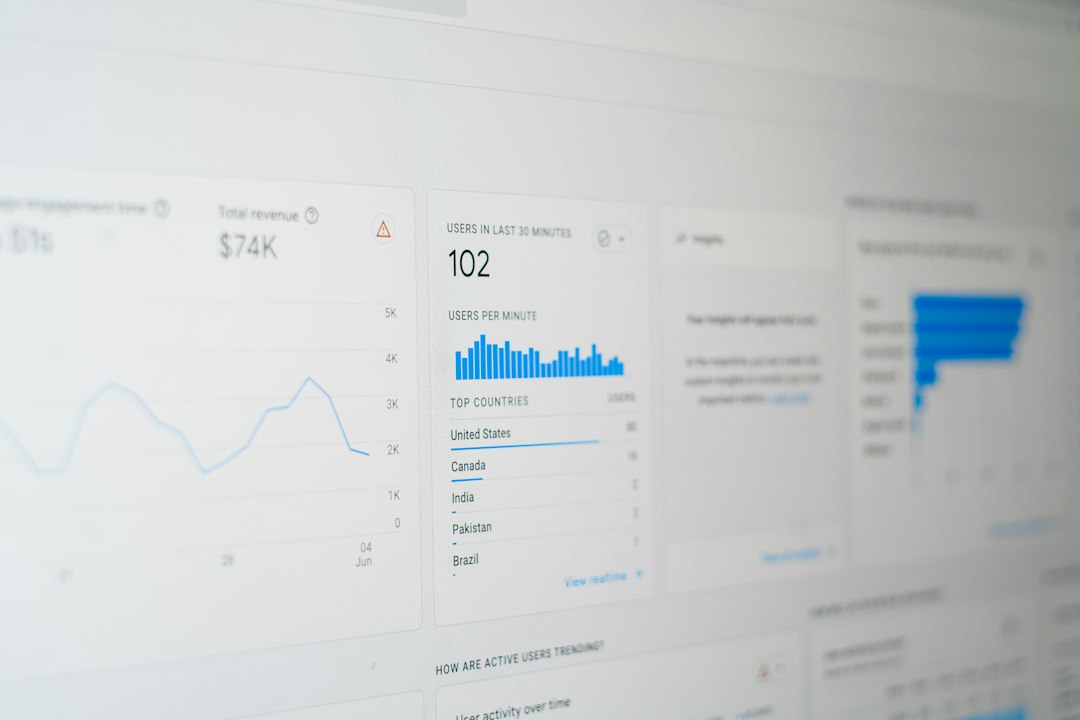
Advanced platforms also incorporate artificial intelligence to generate predictive insights. Instead of merely showing what happened yesterday, they can forecast where prices might move next week or next quarter. These forecasts consider historical patterns, competitor behavior, and external variables such as seasonality or supply constraints.
Industries That Rely Heavily on Price Tracking
While virtually every industry can benefit from pricing insights, some sectors depend on price monitoring platforms more than others:
- E-commerce Retail: Online retailers frequently update prices to remain competitive in crowded marketplaces.
- Travel and Hospitality: Airlines and hotels adjust prices dynamically based on demand and occupancy.
- Consumer Electronics: Rapid product cycles create frequent pricing fluctuations.
- Pharmaceuticals: Monitoring competitor pricing ensures regulatory compliance and fair positioning.
- Energy and Commodities: Companies track global price movements to manage inventory and hedge risks.
In these industries, pricing decisions are tightly linked to profitability. A delayed response to competitor price cuts could lead to lost market share, while overreacting to short-term fluctuations could erode margins unnecessarily.
Tracking Market Trends Through Data Patterns
Beyond immediate competitive reactions, price monitoring platforms are increasingly used to understand broader market trends. By analyzing aggregated data over time, companies can identify patterns such as:
- Seasonal demand spikes.
- Gradual industry-wide price increases.
- Promotional cycles and discount timing.
- Price wars triggered by new market entrants.
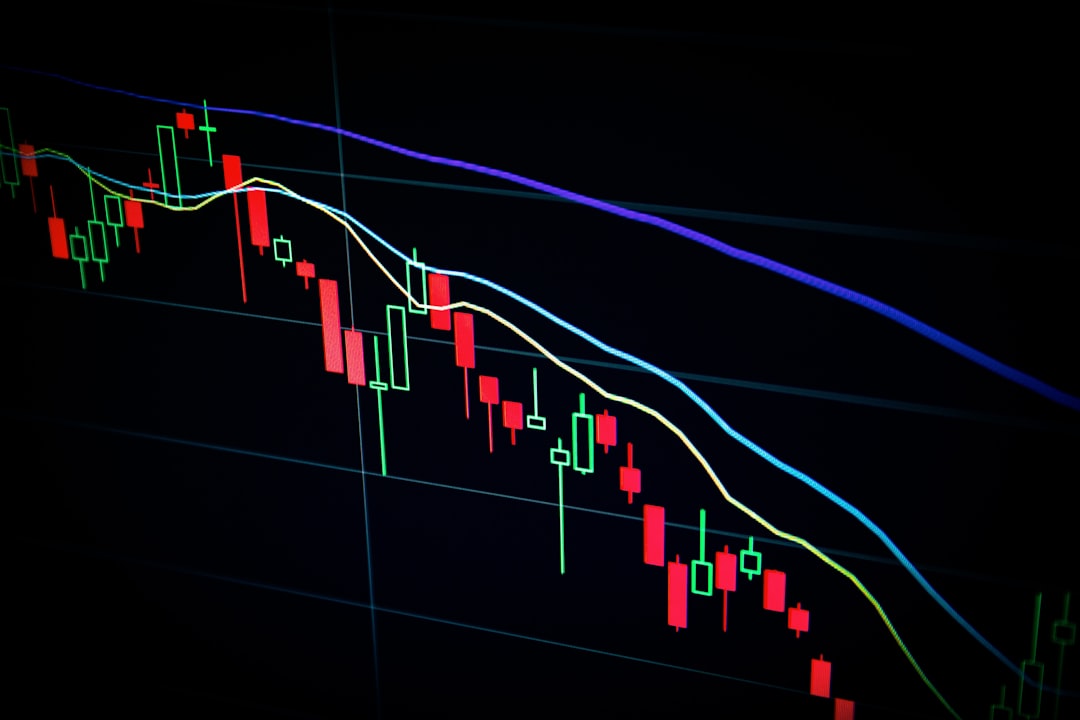
For example, retailers might observe that certain product categories experience predictable price drops before major holidays. By anticipating these shifts, businesses can proactively align inventory and marketing strategies rather than reacting too late.
Investors also use price monitoring data to evaluate company strategies. Consistent discounting may signal aggressive growth tactics—or underlying financial stress. When combined with sales performance data, pricing insights become a key indicator of operational health.
The Role of Artificial Intelligence
Artificial intelligence has transformed price monitoring from a passive reporting tool into an active strategy engine. Machine learning models analyze massive datasets to uncover hidden relationships between variables such as consumer behavior, seasonality, stock levels, and competitor actions.
Modern AI-driven platforms can:
- Recommend optimal pricing thresholds.
- Detect anomalies or pricing errors automatically.
- Simulate different competitive scenarios.
- Trigger alerts when predefined conditions are met.
For instance, if a competitor lowers a product price by more than 10%, the system can instantly notify managers or automatically adjust pricing rules. This level of automation reduces reaction time and keeps businesses competitive in real time.
Benefits Beyond Pricing Adjustments
Although pricing is the primary focus, these platforms deliver value in several additional ways:
- Inventory Planning: Understanding trends helps predict demand surges.
- Marketing Optimization: Aligning promotions with competitor behavior.
- Supplier Negotiation: Using trend data to secure better procurement contracts.
- Risk Management: Identifying sudden market disruptions early.
By combining price insights with operational metrics, organizations develop a more holistic view of market dynamics. This integrated approach supports long-term sustainability rather than short-term tactical adjustments.
Challenges and Ethical Considerations
Despite their advantages, price monitoring platforms are not without challenges. Data collection must comply with legal standards and marketplace terms of service. Additionally, companies need robust cybersecurity measures to protect sensitive competitive insights.
Another concern is the potential for automated systems to contribute to algorithmic price collusion, where AI systems implicitly match competitors’ prices without explicit communication. Regulators in several regions are paying attention to this issue, underscoring the importance of responsible implementation.
Data accuracy is also critical. Incomplete or outdated information can lead to misguided decisions. For this reason, businesses often combine automated monitoring with human oversight and verification processes.
Choosing the Right Platform
Organizations evaluating price monitoring software should consider the following criteria:
- Coverage: Number of competitors, products, or regions tracked.
- Frequency: How often pricing data updates.
- Scalability: Ability to handle growing product catalogs.
- Integration: Compatibility with ERP, CRM, or pricing systems.
- Analytics Depth: Availability of forecasting and AI tools.
The most effective platforms align with a company’s strategic goals. A small retailer may prioritize competitor alerts, while a multinational enterprise may require comprehensive predictive modeling across global markets.
The Future of Price Monitoring and Market Analysis
The evolution of price monitoring platforms mirrors the broader transformation of business intelligence. Increasingly, these systems are becoming part of unified data ecosystems that integrate pricing, customer analytics, supply chain metrics, and financial reporting.
Emerging innovations include:
- Real-time personalization: Adjusting prices based on individual consumer behavior.
- Global sentiment analysis: Linking news events and social media trends to pricing impacts.
- Sustainability metrics: Incorporating environmental cost considerations into pricing decisions.
As globalization continues and digital marketplaces expand, the importance of timely market insight will only grow. Businesses that embrace sophisticated price monitoring technologies will not merely react to market trends—they will shape them.
Ultimately, price monitoring platforms are more than tracking tools; they are strategic assets. By turning raw pricing data into actionable intelligence, they empower organizations to navigate uncertainty with confidence. In an era defined by constant change, staying ahead of market trends is less about intuition and more about informed adaptability—and that begins with understanding price.