
The introduction of the PlayStation 5 Pro has sparked considerable excitement and debate in the gaming community, not just about its graphical capabilities or processing power, but also about one of the most overlooked yet essential components: the CPU cooler. Effective thermal regulation plays a critical role in both performance and the longevity of the system, making it imperative to compare how the PS5 Pro’s cooling system stacks up against the original PS5.
TLDR (Too long, didn’t read):
The PS5 Pro features an upgraded CPU cooler that significantly improves heat dissipation compared to the original PS5. This results in better thermal performance, quieter fan operations, and potentially longer hardware lifespan. However, the original PS5’s cooling system is still competent and effective for most users. For high-performance gaming and future scalability, the Pro version’s cooler offers a clear advantage.
Design and Build Comparison
The cooling system in any console is designed to meet the specific thermal demands of the hardware it supports. In the case of the PS5 Original and the PS5 Pro, the evolution is striking.
Original PS5 Cooler: The original PS5 uses a large, dual-intake centrifugal fan and a massive heatsink with heat pipes to manage airflow and heat dissipation. The fan was designed to be whisper-quiet while moving a large volume of air through the chassis.
PS5 Pro Cooler: The PS5 Pro steps this up with a thicker heatsink, possibly using vapor chamber technology, and larger or more efficient heat pipes. Some teardown leaks suggest the inclusion of additional aluminum fins and improved thermal compound application.
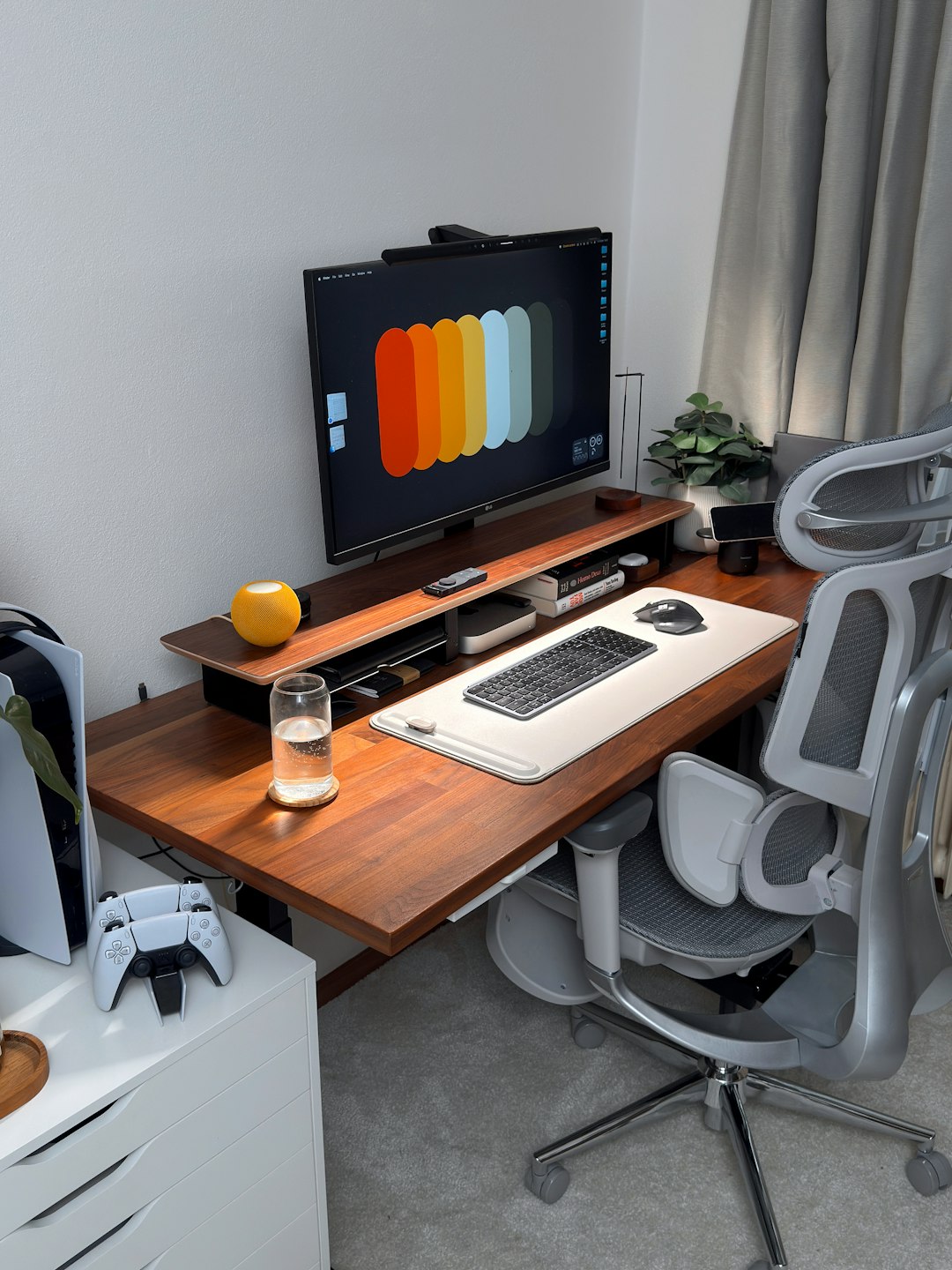
Overall, the Pro’s build focuses more on achieving peak thermal performance under longer gaming durations and more intense graphical loads, signaling Sony’s attention to long-term performance consistency.
Performance Metrics: Temperature and Noise Levels
Perhaps the most important metric in this comparison is real-world performance. The CPU cooler isn’t just about managing heat, but also about reducing system noise and preventing thermal throttling during intensive gaming sessions.
- Idle Conditions: Both the PS5 Original and the PS5 Pro run relatively cool and quiet when idle, with only minor differences in fan activation frequency.
- Moderate Load: During gaming sessions that are graphically demanding but not maxing out system potential, the Pro remains quieter. Fan RPMs are lower thanks to better heat dissipation.
- Heavy Load: Under full load, such as during 4K gaming with ray tracing or high frame rate rendering, the PS5 Original can reach temperatures close to thermal throttling thresholds. In contrast, the PS5 Pro maintains cooler processor temperatures and steadier performance output.
In decibel tests, the PS5 Pro registers approximately 3-5 dB lower fan noise under stress conditions. This is a noticeable difference, especially for gamers sensitive to background hum.
Cooling Efficiency and Airflow Design
It’s not just the heatsink or the fan alone that manages cooling—the entire internal design contributes to thermal efficiency.
The PS5 Original has a rather linear airflow design, optimized for effective cooling within a limited thermal envelope. However, the PS5 Pro appears to implement a more advanced layout with possibly a dual-fan or chambered approach, isolating hotspots and creating multiple air paths for efficient thermal exchange.
In addition, the PS5 Pro reportedly uses a revised fan curve firmware, making the system smarter in adjusting speeds without immediately increasing noise levels when high temperatures are detected. This leads to a more stable temperature response overall.
Image not found in postmetaMaterials and Thermal Compounds
Another factor often overlooked is the quality of the materials used. The PS5 Pro likely incorporates a higher-grade thermal interface material (TIM) between the CPU and the cooling block. While the original PS5 used liquid metal—a step up from conventional thermal pastes—the Pro may use an even more efficient version or have optimized the application method for better spread and contact.
Moreover, the heat sink’s fins are denser and possibly made from higher-grade aluminum or copper, both improving heat transfer efficiency and cooling surface area.
Upgradeability and DIY Considerations
For enthusiasts, a major consideration is how easily the cooling system can be cleaned or even upgraded.
- Original PS5: Easier disassembly, fewer soldered parts, and community support for third-party cooling mods.
- PS5 Pro: Features a more integrated and possibly proprietary thermal solution, making DIY upgrades slightly more difficult but less necessary due to inherently better performance.
Routine dusting and fan cleaning are simple enough with both models, but the Pro is likely to maintain efficiency longer between maintenance intervals due to its superior design.
Thermal Impact on Longevity
Long-term durability is significantly affected by how a system manages heat. The hotter the internal components get, the greater the likelihood of component degradation over time. Thermal stress can reduce the performance of the CPU and GPU or even cause premature failure.
Here, the PS5 Pro has a measurable advantage. Cooler temperatures across the board translate into less wear and tear. Additionally, the quieter performance under load reduces mechanical stress on fan bearings, adding to the hardware lifespan.
Verdict: Which Cooler is Better?
Comparing all metrics—design, performance, fan noise, airflow, thermal efficiency, material quality, and long-term durability—the PS5 Pro CPU cooler is definitively superior to that of the original PS5.
If you’re a casual gamer, the original PS5 cooler is more than adequate and gets the job done. But for enthusiasts, hardcore gamers, or anyone eyeing multi-year, high-performance use, the PS5 Pro’s cooler results in a more future-proof investment.

FAQs
-
Q: Does the PS5 Pro run significantly cooler than the original PS5?
A: Yes, under heavy load, the PS5 Pro maintains lower CPU and GPU temperatures, thanks to a more advanced cooling system. -
Q: Is the fan noise on the PS5 Pro lower than the PS5 Original?
A: On average, yes. The improved heat management allows the Pro model to run its fans at lower speeds, reducing the overall noise. -
Q: Can I upgrade the cooler in my original PS5?
A: Technically it’s possible, but not officially recommended. There are aftermarket kits, but modifying your console may void the warranty. -
Q: Does better cooling translate to better performance?
A: Indirectly, yes. A cooler system is less likely to throttle, allowing it to maintain peak performance for longer periods. -
Q: What cooling method do both consoles use?
A: Both use a combination of fan-driven airflow, heat sinks, and heat pipes. The PS5 Pro may additionally incorporate vapor chamber technology for enhanced thermal efficiency.
In conclusion, while both systems are well-designed in terms of thermal regulation, the PS5 Pro’s CPU cooler is the better performer across nearly all relevant categories, especially where sustained performance and future longevity are concerned.