Rank tracking software plays a critical role in modern SEO strategies, helping businesses monitor keyword positions, evaluate performance trends, and outperform competitors. As search engine algorithms evolve, marketers increasingly rely on accurate, feature-rich rank tracking tools to guide their decisions. Selecting the right platform, however, requires careful comparison of features, pricing, and accuracy. This article explores these elements in detail to help businesses determine which type of rank tracking solution best fits their needs.
TLDR: Rank tracking software helps businesses monitor keyword rankings and improve SEO performance. The best tools offer a mix of accurate tracking, competitive pricing, robust reporting, and integration capabilities. Accuracy depends on update frequency, location targeting, and data sources. Choosing the right software requires balancing features with budget and business goals.
What Is Rank Tracking Software?
Rank tracking software monitors where a website appears in search engine results pages (SERPs) for specific keywords. It provides insights into ranking progression over time, helping SEO professionals measure the impact of optimization strategies.
Modern platforms often include more than simple keyword position tracking. Many now offer:
- Competitor tracking
- Local and global ranking data
- Mobile vs. desktop analysis
- Search visibility metrics
- Automated reporting dashboards
These expanded features allow businesses to go beyond raw rankings and evaluate the broader context of their search performance.
Core Features to Compare
When evaluating rank tracking software, features often separate entry-level tools from enterprise solutions. Below are the most important elements to assess.
1. Keyword Tracking Capacity
Most platforms limit the number of keywords based on subscription tiers. Small businesses may only need to track a few hundred terms, while agencies often require thousands or even tens of thousands.
Key considerations include:
- Maximum keyword capacity
- Daily vs. weekly tracking options
- Support for multiple domains
- Historical data retention
Some tools allow flexible keyword add-ons, while others require upgrading to higher pricing tiers.
2. SERP Feature Tracking
Search results have become more dynamic, including featured snippets, local packs, video results, and AI overviews. Advanced rank trackers identify which SERP features appear and whether a domain secures those placements.
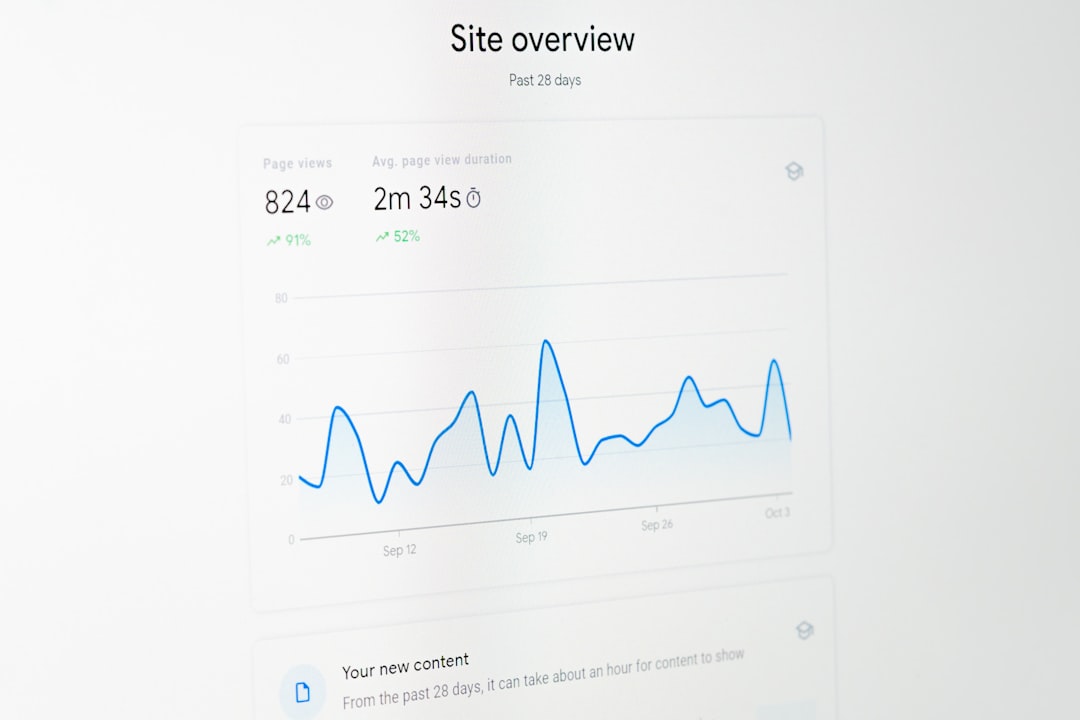
Tracking SERP features provides deeper visibility than simple ranking numbers. Businesses can identify opportunities to capture rich results that drive higher click-through rates.
3. Local and Geo-Targeted Tracking
For businesses relying on location-based customers, geo-specific tracking is essential. High-quality software enables rank monitoring by:
- Country
- State or region
- City or ZIP code
- Device type
Local SEO accuracy depends on granular targeting. Tools that support hyper-local tracking often come at a premium price but deliver higher value for brick-and-mortar operations.
4. Competitor Analysis
Most rank tracking solutions provide side-by-side comparisons with competitors. This functionality allows users to:
- Benchmark keyword overlap
- Measure ranking position gains and losses
- Identify new competitor movements
- Analyze search visibility scores
Advanced platforms also show estimated traffic share and keyword difficulty metrics.
5. Reporting and Integrations
Automated reporting reduces manual workload. Agencies particularly benefit from customizable, white-label reports.
Integrations commonly include:
- Google Analytics
- Google Search Console
- Data visualization platforms
- Project management tools
Seamless integration ensures ranking insights align with traffic and conversion metrics.
Pricing Models Compared
Rank tracking software typically follows subscription-based pricing. However, pricing structures vary significantly depending on features and tracking scale.
Entry-Level Plans
These plans cater to freelancers or small websites. Pricing is usually budget-friendly but may limit:
- Keyword count
- Update frequency (often weekly)
- Reporting customization
- Advanced SERP tracking
Entry-level options are suitable for businesses with simple SEO needs.
Mid-Tier Plans
Mid-tier solutions balance cost and performance, often including:
- Daily keyword updates
- Competitor tracking
- SERP feature monitoring
- Multiple domain support
Pricing at this level typically suits growing businesses investing seriously in SEO.
Enterprise-Level Plans
Enterprise packages are designed for agencies and large organizations. These often provide:
- Unlimited or very high keyword limits
- API access
- Advanced team collaboration tools
- Dedicated account management

While these plans cost significantly more, they deliver scalability and deeper data insights.
Accuracy: The Most Critical Factor
No feature or pricing model matters if the rankings reported are inaccurate. Accuracy depends on several technical variables.
1. Data Collection Methods
Rank trackers gather search data using different methodologies, including:
- Direct scraping of SERPs
- Partnership APIs
- Proprietary data aggregation systems
The reliability of these methods differs. Tools using real-time SERP data often provide better precision than those relying heavily on estimates.
2. Update Frequency
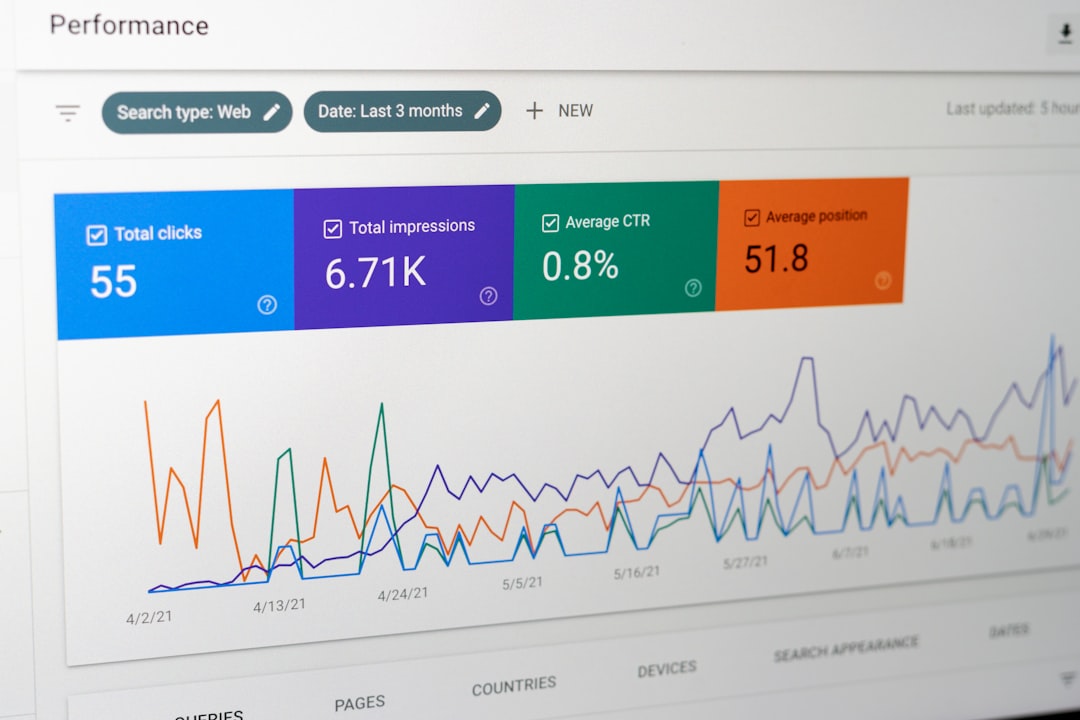
Google rankings fluctuate constantly. Software that updates daily—or even on-demand—captures volatility more accurately than weekly trackers.
However, increased update frequency often leads to higher subscription costs.
3. Location and Personalization Handling
Search results vary by user behavior, location, and search history. Advanced tracking software attempts to neutralize personalization to provide objective rankings. Geo-targeted proxies enhance location-specific accuracy.
4. Device Differentiation
Mobile and desktop search results can differ significantly. Reliable platforms separate rankings by device, reflecting actual user experiences.
Comparing Cloud-Based vs. Desktop Tools
While most modern rank trackers are cloud-based, some desktop-based options remain available.
Cloud-Based Solutions
- Accessible from anywhere
- Automatic updates
- Better collaboration features
- Subscription-based pricing
Desktop Solutions
- One-time purchase options
- Manual maintenance required
- Limited collaboration tools
- Dependent on user hardware
Cloud solutions generally dominate due to convenience and automation advantages.
How to Choose the Right Software
Businesses should evaluate rank tracking tools based on their specific SEO strategies. Key decision factors include:
- Business size – Agencies need scalability; local shops may not
- Target markets – International SEO requires robust geo-tracking
- Budget constraints – Pricing must align with ROI expectations
- Data needs – Advanced insights may justify higher costs
It is also advisable to test trial versions before committing. User interface and reporting usability may significantly impact workflow efficiency.
Conclusion
Rank tracking software serves as a foundational component of effective SEO management. Comparing options based on features, pricing, and accuracy ensures businesses select the most suitable solution. While budget considerations matter, accuracy and data depth often carry greater long-term value. By carefully evaluating keyword capacity, SERP tracking capabilities, localization, reporting features, and update frequency, organizations can invest confidently in a tool that supports sustained search growth.
Frequently Asked Questions (FAQ)
1. How often should rank tracking software update keyword data?
Daily updates are ideal for most businesses, particularly in competitive industries. Weekly updates may suffice for smaller operations with slower ranking fluctuations.
2. Are free rank tracking tools reliable?
Free tools can provide basic insights but often lack depth, tracking limits, and advanced features. Paid versions generally offer more accurate and comprehensive data.
3. Why do ranking reports sometimes differ between tools?
Differences may occur due to varying data collection methods, update times, geographic targeting settings, and personalization handling.
4. Is local rank tracking necessary for small businesses?
Yes, especially for businesses serving specific geographic areas. Local tracking ensures visibility in city-based or “near me” searches.
5. What is the most important factor when choosing rank tracking software?
Accuracy combined with relevant features for the business’s SEO goals is the most critical factor. Pricing should reflect the value gained from reliable insights.