
Buying a new home or property? Exciting! But before you sign that dotted line and pop the champagne, there’s a little something called due diligence. Think of it as detective work before you spend your hard-earned money. This guide will help you know what to look for so your dream home doesn’t become a nightmare.
TLDR:
Before buying any property, you need to do your homework. Check the legal papers, inspect the house, and understand the neighborhood. Due diligence helps avoid costly surprises later. Don’t skip it—future you will be grateful!
What Is Real Estate Due Diligence?
Due diligence is the process of checking everything about a property before you buy it. It’s like doing a full background check. When done right, it can save you time, money, and stress.
You wouldn’t buy a car without test-driving it, right? Same rule applies here—but on a much bigger scale.
Why It’s Super Important
- Uncover nasty surprises: Like a hidden mold problem or boundary issues.
- Understand the legal stuff: You need to know who really owns the property.
- Protect your investment: Forewarned is forearmed!
The Key Checks You Need to Do
Let’s dive into the essentials. These are the must-do checks before saying “yes” to the address.
1. Review the Title Deed
This one is big. The title deed proves who owns the property. Make sure:
- The seller’s name matches the deed
- There are no legal disputes or liens
- The boundaries on the deed match what you see
Ask a lawyer to help you with this if you’re not sure. It’s worth every penny.
2. Get a Property Inspection
This is like opening the hood of the house. A property inspection checks the condition of:
- Roof
- Plumbing
- Electrical systems
- Structure and foundation
An inspector can spot red flags, like termites or cracks in the walls. Don’t skip this!

3. Verify Property Taxes and Dues
No one wants to inherit someone else’s debts. So make sure the property taxes are paid up. And if you’re buying in a gated community or condo, check:
- HOA (Homeowner’s Association) fee status
- Pending maintenance charges
Ask for tax receipts or account statements as proof.
4. Location, Location, Location
The neighborhood matters as much as the house! Walk around during the day and night. Look for:
- Noise levels
- Traffic and safety
- Nearby schools, hospitals, and grocery stores
You can change your paint color, not your neighbors.
5. Investigate Zoning and Permits
Imagine buying a house and then learning you can’t build that dream pool. Not fun. That’s where zoning laws come in. Check:
- Permitted land usage
- Building approvals
- Any “no-construction” zones or green zones
Your local planning office can provide this info.
6. Talk to the Neighbors
Yep, you read that right. Knock on a couple of doors and ask about their experience living there. You’ll get the real scoop:
- Any disputes with the owner?
- Frequent power cuts?
- Flooding or drainage problems?
Think of them as the Yelp reviews for your future neighborhood.
7. Confirm the Property’s Size
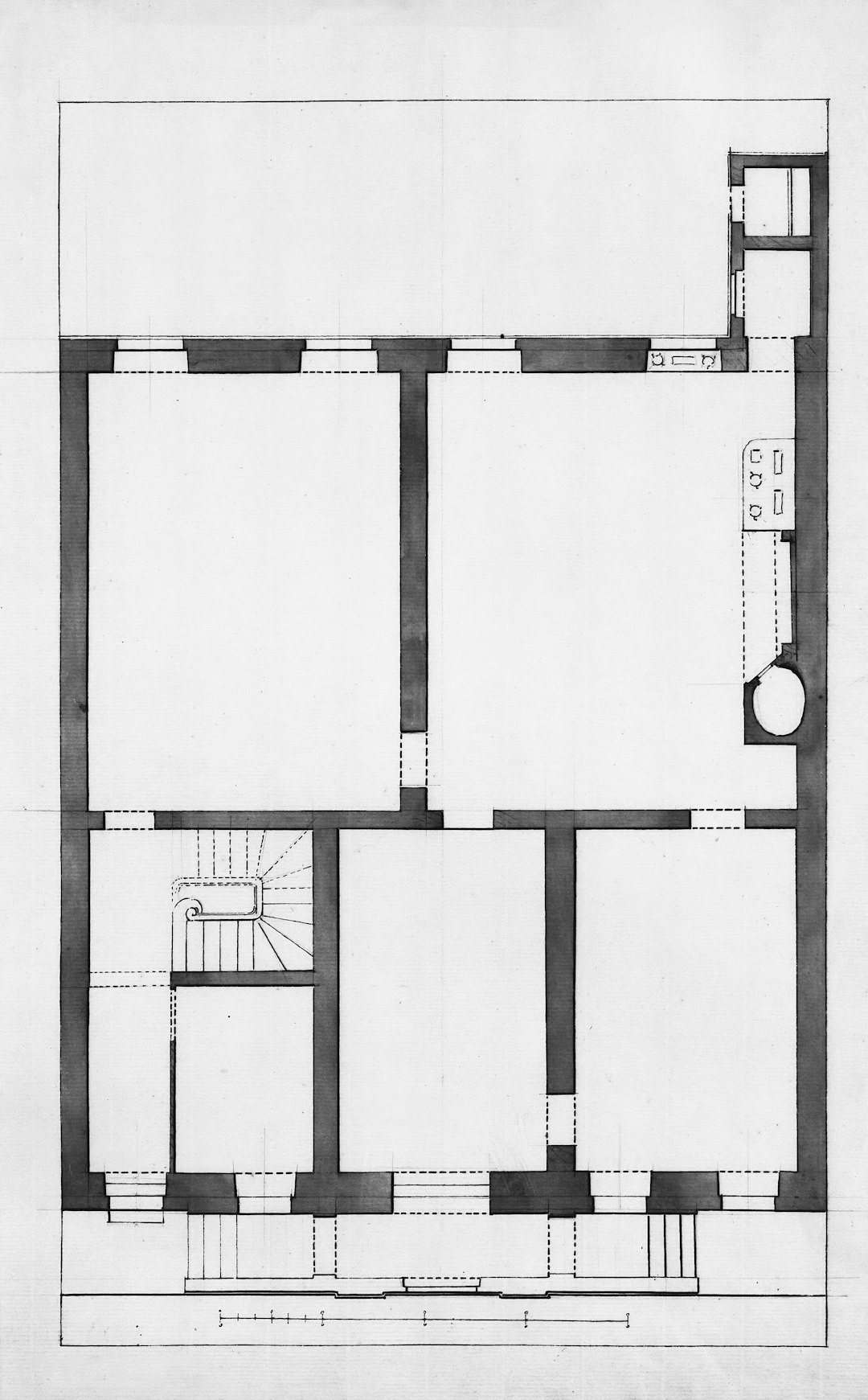
Looks can be deceiving! The listed square footage might not match the legal size. Ask for layout plans and measurement proofs. You may also need a surveyor.
Remember: You’re buying square feet, not just the feel-good vibes.
8. Check the Builder’s Reputation (for New Properties)
If you’re buying directly from a builder or developer, do some snooping. Look up:
- Online reviews
- Past projects and delivery times
- Litigations or complaints
A fancy brochure means nothing if the builder vanishes halfway through.
9. Environmental and Natural Hazard Checks
Get a feel of what Mother Nature might throw at you. Check if the property is in a:
- Flood zone
- Earthquake-prone area
- Near a landfill or industrial zone
Even a lovely deal isn’t ideal if it’s underwater half the year.
Important Documents to Ask For
Papers matter! Here’s a quick list of what to get from the seller:
- Title deed
- Property tax receipts
- Approved building plans
- No-Objection Certificates (NOC)
- Encumbrance certificate (shows no debts)
Tip: Create a Checklist
Buying property has a lot of steps. Make your own checklist or download one online. Tick things off as you go. It keeps things organized and helps avoid last-minute surprises.
Red Flags to Watch Out For
If you notice any of the following, pause and investigate:
- Papers don’t match seller ID
- Refusal to show documents
- Deal feels rushed or shady
- Too good to be true price
Your gut feeling matters. Trust it.
Hire Professionals
You don’t have to do it all alone. Consider hiring:
- Property lawyer: To go through all documents
- Surveyor: To measure land and inspect boundaries
- Realtor: To guide and negotiate
- Inspector: To check property condition
Yes, it costs money. But it’s way cheaper than fixing a big mistake later.
Final Thoughts
Buying a home is a big step—and a happy one! Just don’t let excitement fog your judgment. Doing your due diligence may take a few extra days, but it protects your wallet and peace of mind for years to come. Think of it as an ultimate background check—for your future!
So, next time someone says “Congratulations on your new home!” you can smile, knowing you made a smart, safe decision.
Now go forth and be the Sherlock Holmes of real estate!