
Education is often described as a doorway to opportunity, but not every learner reaches that doorway with the same key. Some students face obstacles that make learning harder, slower, or less accessible than it should be. These obstacles are known as educational barriers, and they can appear in classrooms, homes, communities, technologies, policies, and even in the design of learning materials themselves.
TLDR: An educational barrier is anything that prevents a learner from fully accessing, participating in, or benefiting from education. These barriers can be physical, financial, cultural, emotional, technological, or related to learning differences. Real solutions often require a mix of inclusive teaching, better resources, supportive policies, and personalized help. The goal is not to make learning easier in a simplistic way, but to make it fairer, more accessible, and more meaningful.
What Is an Educational Barrier?
An educational barrier is any condition, system, attitude, or limitation that interferes with a person’s ability to learn effectively. Barriers may be obvious, such as a school without wheelchair access, or subtle, such as a student feeling too anxious to ask questions in class. They can affect children, teenagers, adult learners, college students, and workers pursuing professional training.
Importantly, educational barriers are not always caused by a lack of ability. A student may be curious, intelligent, and motivated, yet still struggle because the learning environment does not meet their needs. For example, a learner with dyslexia may understand complex ideas but have difficulty with traditional reading-heavy materials. A student from a low-income household may be capable of excelling but lack internet access, transportation, or a quiet place to study.
Common Types of Educational Barriers
Educational barriers can be grouped into several major categories. In real life, these often overlap, creating complex challenges for learners.
- Financial barriers: These include tuition costs, school supplies, transportation expenses, exam fees, technology costs, and lost income for adult learners who must balance school with work.
- Physical barriers: Students with mobility challenges may struggle in buildings without ramps, elevators, accessible restrooms, or appropriate classroom layouts.
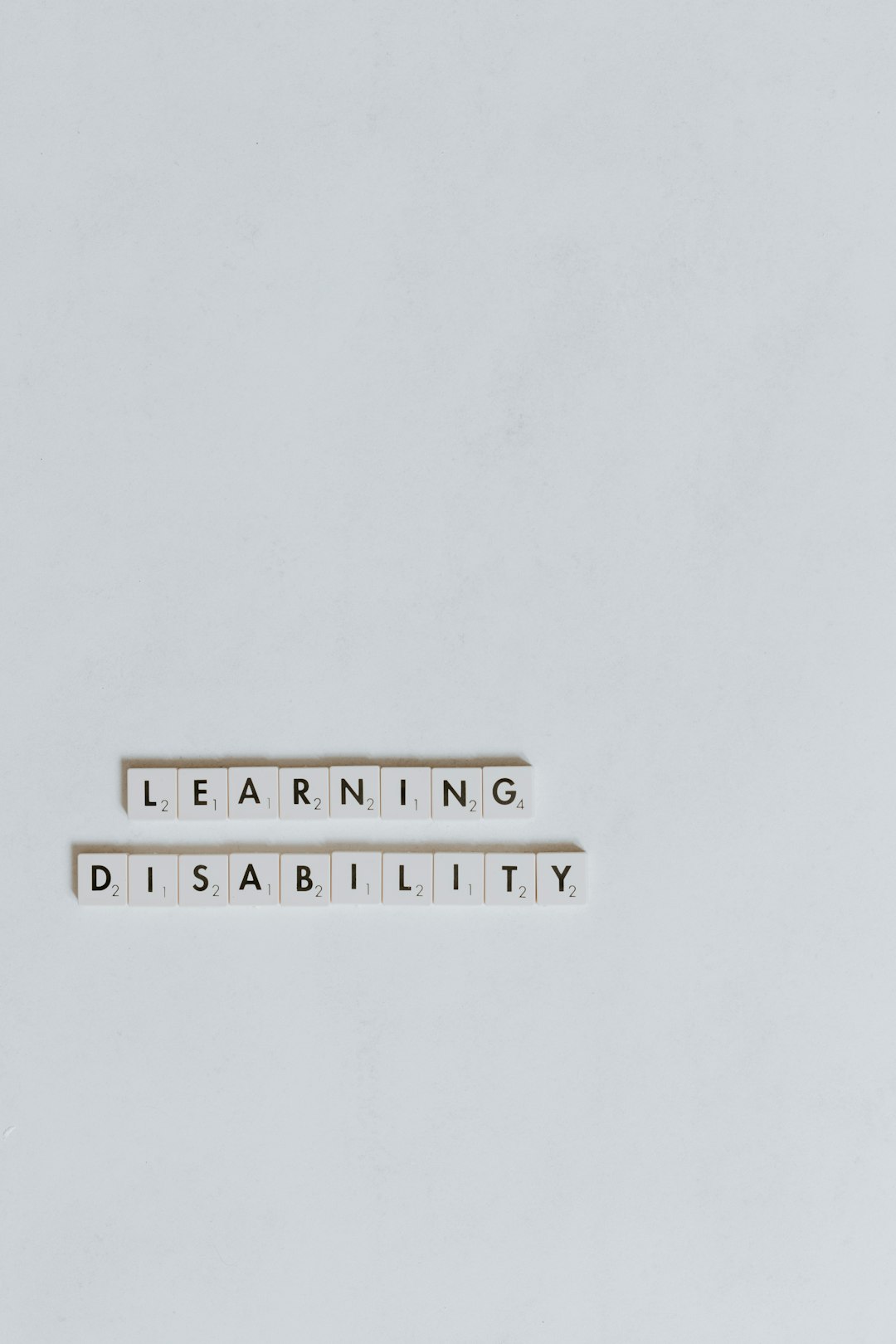
- Learning and cognitive barriers: Conditions such as dyslexia, ADHD, autism, processing disorders, or memory difficulties can affect how students receive, organize, and express information.
- Language barriers: Learners who are studying in a language they do not fully understand may find it difficult to follow lessons, complete assignments, or participate in discussions.
- Emotional and mental health barriers: Anxiety, depression, trauma, stress, grief, and low self-confidence can strongly affect concentration, motivation, attendance, and performance.
- Technological barriers: Limited access to devices, internet, digital literacy, or assistive technology can prevent students from engaging with modern learning tools.
- Cultural and social barriers: Bias, discrimination, stereotypes, lack of representation, or family expectations can influence whether students feel welcome and supported.
Real-World Examples of Educational Barriers
Consider a rural student who must travel two hours to reach school. Even if the student enjoys learning, long travel times can lead to exhaustion, irregular attendance, and fewer opportunities for extracurricular support. This is both a geographic and resource-based barrier.
Another example is an adult learner returning to education after many years. They may feel embarrassed about asking basic questions, struggle with digital platforms, or need to care for children while studying. Their barrier is not simply academic; it may involve confidence, time, childcare, and technology.
A student with hearing loss may miss important classroom discussions if captions, hearing loops, visual materials, or sign language support are unavailable. In this case, the barrier is not the student’s hearing difference alone, but the lack of accessible communication in the learning environment.
Language barriers are also common. A newly arrived immigrant student may understand math concepts but fail a word-heavy test because they are still learning the language of instruction. Without translation support, visual aids, or bilingual resources, the assessment may measure language fluency more than subject knowledge.
How Barriers Affect Learning
Educational barriers can affect much more than grades. They can shape how students see themselves. A learner who repeatedly struggles in an unsupported environment may begin to believe, “I am not good at school,” when the real issue is that the school has not adapted to their needs.
Barriers may lead to:
- Lower attendance because school feels inaccessible, unsafe, or overwhelming.
- Reduced participation when students fear embarrassment, judgment, or exclusion.
- Lower achievement due to resources or teaching methods that do not match learner needs.
- Higher dropout rates when obstacles become too difficult to manage without support.
- Emotional stress caused by repeated frustration, isolation, or comparison with peers.
When these effects accumulate, they can influence future employment, income, health, and civic participation. That is why removing educational barriers is not only a school issue; it is a social and economic priority.
Strategies to Overcome Educational Barriers
There is no single solution for every learner, but effective strategies share one principle: education should be designed with real human differences in mind. Instead of expecting every student to learn in the same way, schools and educators can create flexible systems that offer multiple paths to success.
- Use inclusive teaching methods: Teachers can combine spoken explanations, written notes, visuals, hands-on activities, discussions, and digital tools. This helps students process information in different ways.
- Provide accessibility supports: Examples include captions, screen readers, audiobooks, large-print materials, ramps, quiet testing spaces, and assistive technology.
- Offer financial assistance: Scholarships, free meals, transportation support, device lending programs, and reduced fees can make education more reachable for low-income learners.
- Strengthen mental health support: Counselors, peer mentoring, trauma-informed teaching, and stress-management programs can help students feel safer and more capable.
- Support language learners: Schools can provide bilingual resources, vocabulary previews, visual instructions, language buddies, and extra time for reading and writing tasks.
- Improve digital access: Reliable internet, affordable devices, digital skills training, and user-friendly platforms are essential for modern education.
- Build strong family and community partnerships: Families, local organizations, libraries, employers, and community centers can help provide tutoring, mentoring, study spaces, and practical resources.

The Role of Educators and Institutions
Educators play a powerful role in identifying barriers early. A teacher who notices that a student is often tired, silent, absent, or missing assignments can ask supportive questions rather than assuming laziness or disinterest. Sometimes, a small adjustment, such as allowing oral responses instead of written ones, can reveal a student’s true understanding.
Institutions also have a responsibility to examine their policies. Are admission processes fair? Are disciplinary rules applied equally? Are assessments accessible? Are students from different backgrounds represented in the curriculum? Removing barriers requires more than good intentions; it requires continuous reflection, data, funding, and accountability.
Why Overcoming Educational Barriers Matters
When barriers are removed, students do more than perform better on tests. They gain confidence, independence, and a stronger sense of belonging. They are more likely to continue their education, pursue meaningful careers, and contribute their talents to society.
Educational equity does not mean every learner receives the exact same support. It means each learner receives what they need to participate fully. A ramp, a translated worksheet, a flexible deadline, a mentor, or a borrowed laptop may seem like a small intervention, but for the right student, it can change the direction of their life.
Ultimately, an educational barrier is not just an obstacle in front of a learner. It is also a signal to educators, communities, and policymakers that something in the system needs to become more responsive. By recognizing barriers and addressing them thoughtfully, we move closer to an education system where ability is nurtured, potential is not wasted, and learning is truly open to all.