
Pick Square only if its checkout, payments, and basic reporting fit your business without workarounds. If you need stronger inventory, restaurant tools, phone support workflows, or multi-location control, several Square alternatives may serve you better. Square lists standard in-person payment pricing at 2.6% + 15¢ per transaction, which is easy to understand but not always the cheapest fit as volume grows [source: Square].
TLDR: The best Square alternatives to compare are Shopify POS, Lightspeed, Toast, and Clover. For example, a shop with 1,200 monthly card sales at an average of $35 should compare both software fees and processing terms, not just the monthly sticker price. A retailer with 5,000 SKUs may save hours each month with stronger inventory tools, even if the plan costs more. A café or restaurant may get more value from Toast because it is built around tables, menus, tips, and kitchen flow.
1. Shopify POS: Best for Retailers That Also Sell Online
Shopify POS is a strong choice if your store sells both in person and online. It keeps products, customers, discounts, and sales channels tied together. That matters when customers expect to buy online and return in store without a fight at the counter.
The biggest gain is clean product control. You can track stock across locations, manage variants, and run reports that make sense. If you sell clothing, accessories, specialty goods, or packaged products, Shopify often feels more focused than Square.
- Best for: Retail stores with online sales.
- Strengths: Ecommerce, inventory, customer profiles, app options.
- Watch out for: Costs can rise with add-ons and higher-tier plans.
The catch is that Shopify can feel like too much if you only need a simple register. Expect to spend time setting up products, tax rules, shipping, and staff permissions. Still, for serious retail, that setup work can pay off.
If you are upgrading office systems at the same time, it may also help to review small business office software options so your sales, documents, and reporting process stay consistent.

2. Lightspeed: Best for Inventory Heavy Businesses
Lightspeed is a serious option for businesses that live or die by inventory accuracy. Think bike shops, golf stores, pet supply stores, electronics sellers, and boutiques with many product variations.
Square can handle basic stock tracking. Lightspeed goes deeper. You get purchase orders, vendor management, product matrices, multi-location stock views, and stronger reporting. That can reduce guesswork when buying new stock.
- Best for: Retailers with large catalogs or several locations.
- Strengths: Advanced inventory, supplier tools, detailed reports.
- Watch out for: The interface may feel dense at first.
Honestly, it feels like some systems make you click five times to answer one basic question: “What should I reorder?” Lightspeed is not perfect, but it is better suited to that problem than a simple payment-first tool.
Lightspeed is usually worth a look when inventory mistakes are costing real money. If staff are calling other locations to check stock by hand, that is a warning sign. A better system may cut that messy back-and-forth.
3. Toast: Best for Restaurants, Cafés, and Bars
Toast is built for food service. That is the main reason it stands out. Square has restaurant tools, but Toast often feels more natural for places with tables, kitchen tickets, modifiers, tips, and staff roles.
Restaurants need fast order entry. They also need menu changes, split checks, handheld ordering, online ordering, payroll options, and kitchen display systems. Toast brings many of these pieces into one setup.
- Best for: Restaurants, cafés, food trucks, bars, and quick service.
- Strengths: Menu tools, kitchen workflow, tableside ordering, tip handling.
- Watch out for: Hardware and contract terms need careful review.
If your staff lose 20 seconds on every modified order, that adds up fast during lunch rush. It drives me crazy when software treats “no onions, sauce on side” like a special event. Toast is better built for that daily reality.
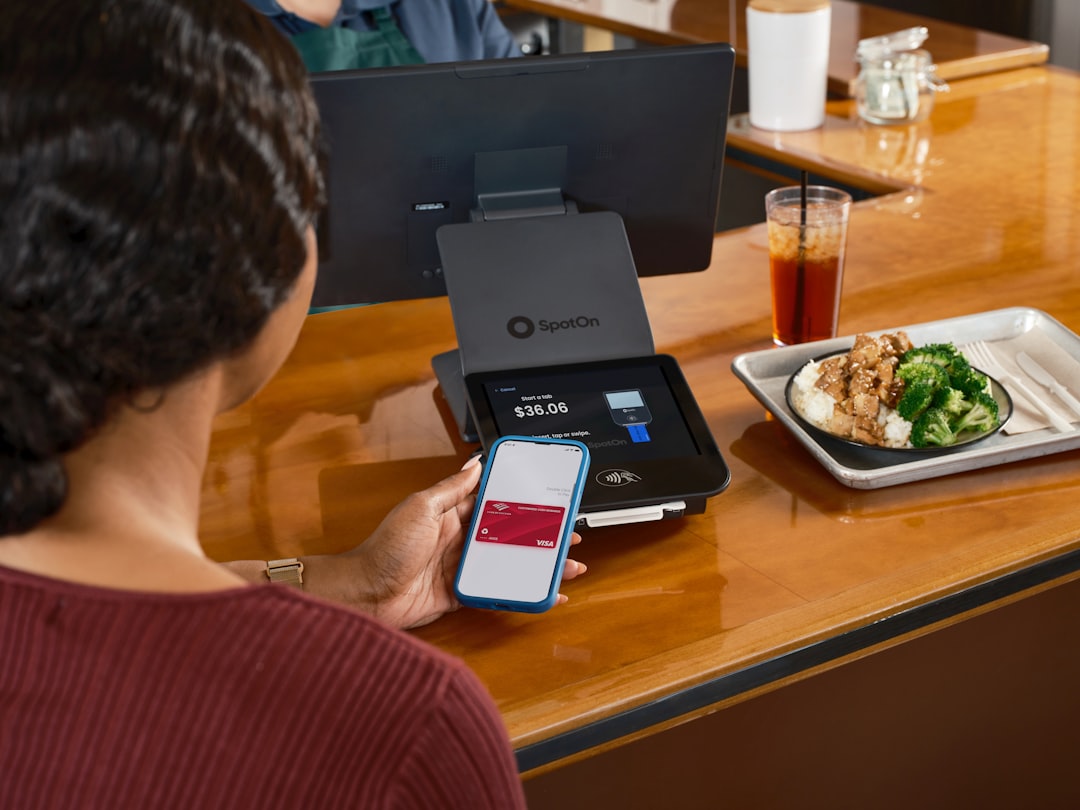
4. Clover: Best for Businesses That Want Hardware Choice and App Flexibility
Clover sits close to Square in overall purpose. It offers POS hardware, payments, apps, employee tools, and reporting. The difference is flexibility. Clover is often sold through banks and merchant service providers, so pricing and terms can vary.
That can be good or bad. Some businesses may negotiate better payment terms. Others may get stuck with confusing fees. Read every contract line before signing. Do not rely only on the sales pitch.
- Best for: Small retailers, service businesses, quick service counters.
- Strengths: Hardware options, app market, merchant account flexibility.
- Watch out for: Pricing depends heavily on the provider.
Clover makes sense if Square feels too closed, but you still want a familiar all-in-one system. It is also worth checking if your bank offers strong support and local setup help.
How to Choose the Right Square Alternative
Start with the business problem, not the brand name. A gift shop needs inventory depth. A restaurant needs kitchen speed. A service company may need invoicing, scheduling, and customer notes. A growing team may need better phones, devices, and admin tools.
Use this quick filter:
- Choose Shopify POS if online and in-store sales must stay synced.
- Choose Lightspeed if inventory control is your biggest pain.
- Choose Toast if food service workflow matters most.
- Choose Clover if you want POS hardware with more provider options.
Also look at the rest of your setup. Reliable workstations matter, so a guide to budget friendly business laptops can be useful for back-office staff. If calls, routing, and customer support are part of your sales process, compare business VoIP systems as well.
Final recommendation: Do not replace Square just because another tool has more features. Replace it when those features solve a measurable problem. Count the hours lost, errors made, and sales missed. Then choose the system that removes the most friction for the least long-term cost.